Germany weighs coal revival amid soaring gas prices and energy‑security debate
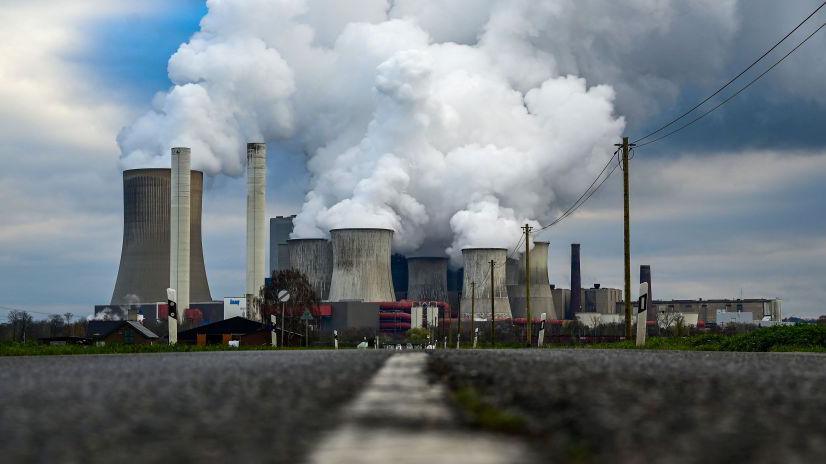
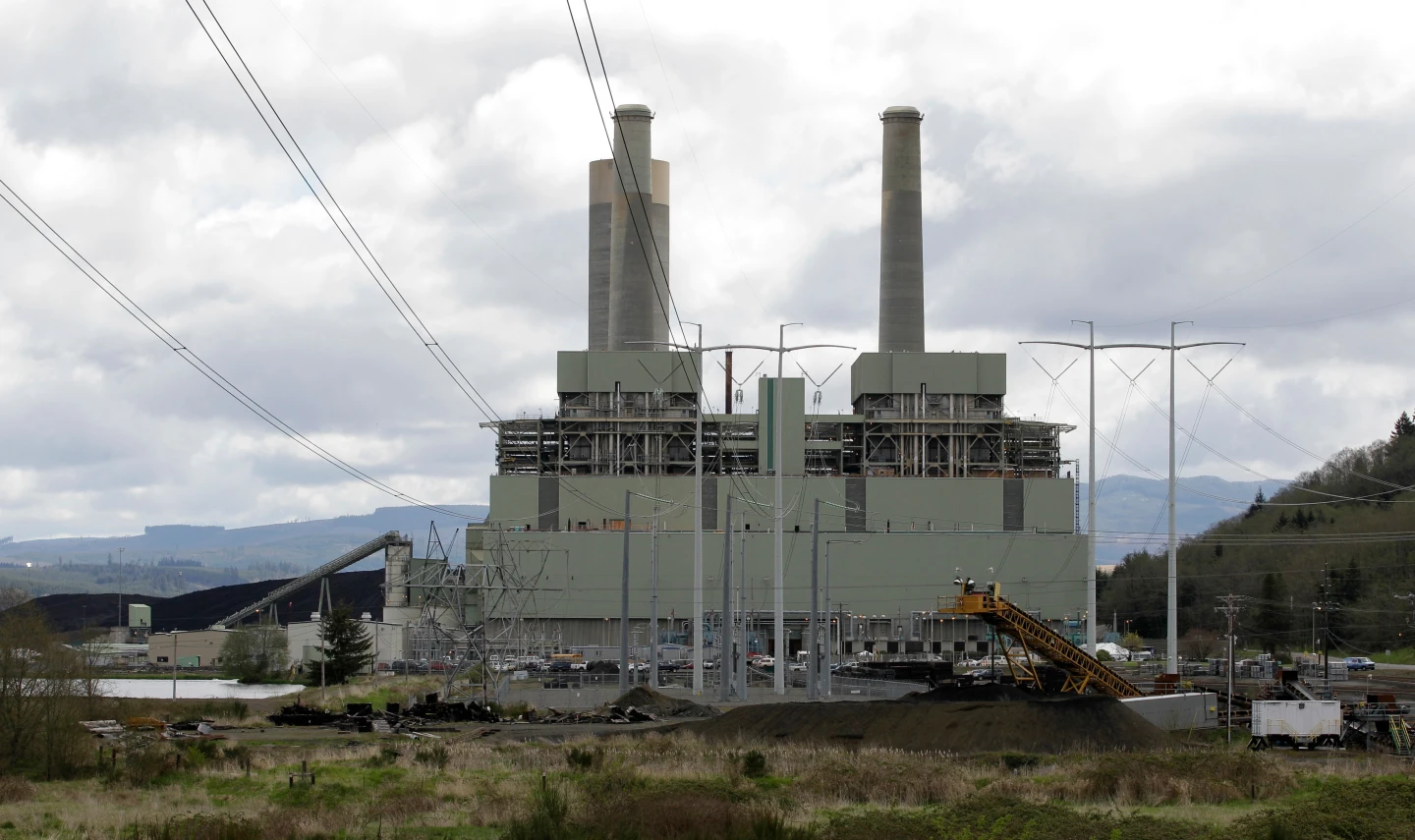
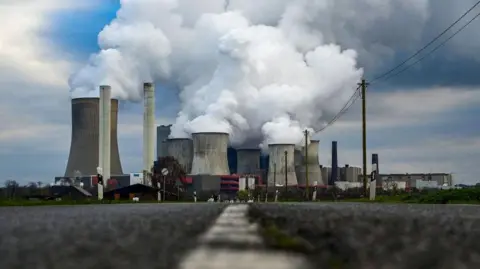
The German government has announced it will consider whether to extend its coal‑power use beyond the 2038 date set for phasing out lignite, a response to the recent spike in global natural‑gas costs. With 20 % of its electricity still coming from coal, and an ambition to secure a back‑up of renewable supply, Germany faces a dilemma between expensive imports and cheaper, domestic fuel.
From the political front, the centre‑right CDU/CSU side gravitates toward allowing more coal, citing the need to keep energy affordable for industry. The opposition SPD, meanwhile, warns that loosening coal rules would “lock in new fossil fuels” and hamper Germany’s climate goals. The former views coal as a democratic safety net; the latter sees it as a step backward.
Industry leaders, such as the head of the German Chemical Industry Association, demand a reliable, inexpensive power source. They argue that renewables alone cannot guarantee supply continuity, especially for winter peaks. Sont • Lehne, senior research officer at the Öko institute, counters that a permanent coal presence would undermine the country’s climate ambition and argues instead for a rapid expansion of wind and solar.
Coal companies like LEAG, the country’s second largest lignite miner, welcomed the possibility of a coal revival, noting that the supply of lignite is inexpensive and locally sourced. They emphasize that Germany’s lignite reserves are “entirely self‑sufficient,” allowing quick pivoting when gas prices soar. In contrast, the closed nuclear plants and a reliance on imported gas put the German grid in a precarious position.
The national energy debate reflects a broader global trend: some countries are reconsidering coal under higher gas prices. Japan has eased coal-use rules, Italy has shifted back the closure of remaining plants, and India has postponed shut‑downs. The German parliamentary committee, formed in March, will examine whether a temporary coal boost is viable.
The government’s final decision is expected next year, with a statutory review scheduled for August. That review will weigh the impacts of a slower coal phase‑out on supply security, costs and the longer‑term goal of low‑carbon electricity. The process illustrates the difficult balancing act between environmental targets, industrial competitiveness and energy security for Germany’s future.