In brief
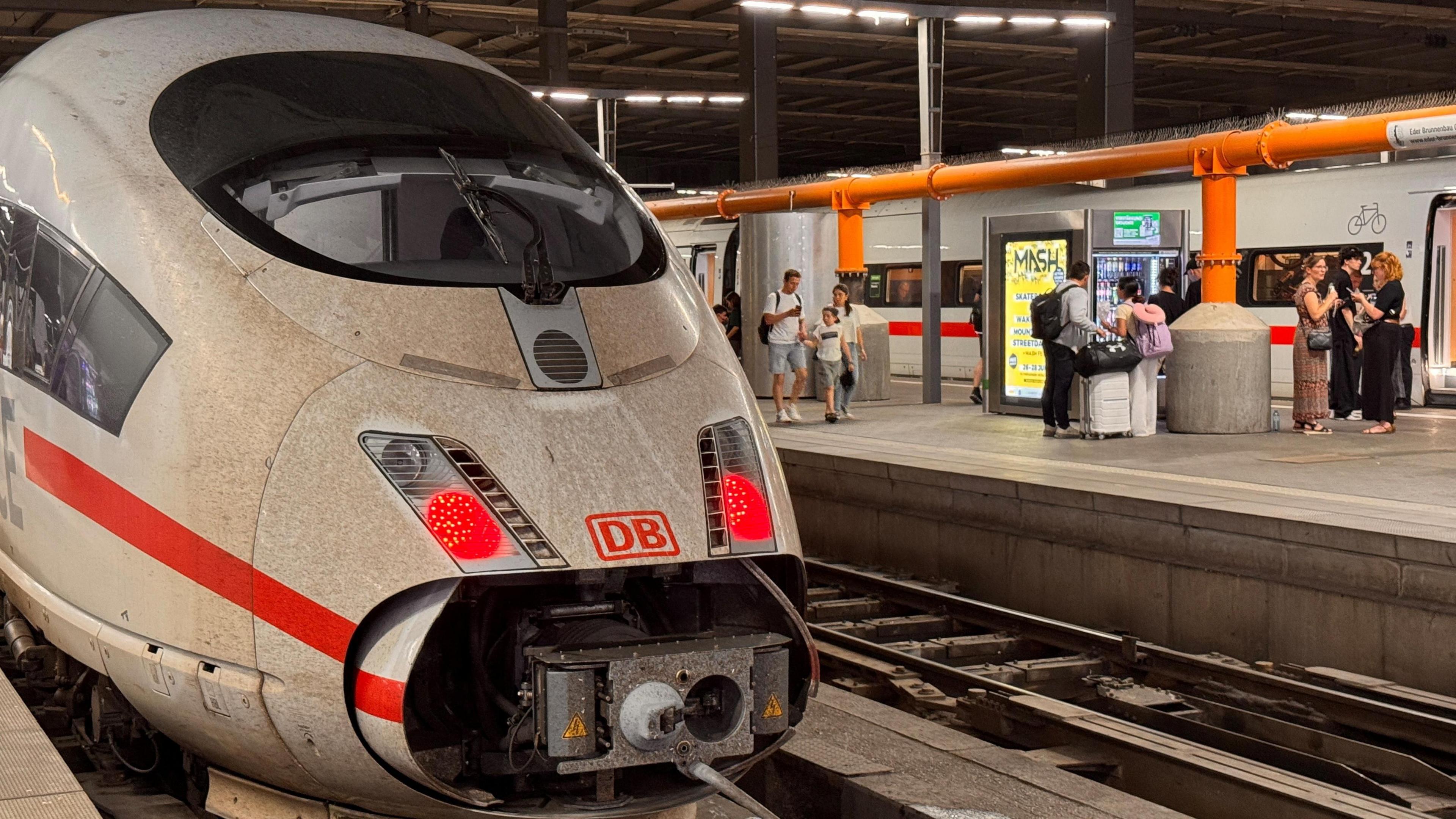
Deutsche Bahn announced it had paused all services on Tuesday night after a malfunction in its GSM‑R communications network, holding trains at stations for more than two‑and‑a‑half hours. The company offered vouchers and alternative transport, and technicians resolved the issue by 23:30 local time, though delays and cancellations persisted. The incident underscores the growing reliance on digital infrastructure in rail operations and highlights the need for robust contingency plans.
Background: On Tuesday, 23 June 2026, Deutsche Bahn, Germany’s national railway operator, halted all train services nationwide after a malfunction in its Global System for Mobile Communication for Railways (GSM‑R). The outage left trains at stations for over two hours, disrupting both long‑distance and regional travel.
Deutsche Bahn’s statement noted that the IT experts had worked “tirelessly to resolve the issue” and had restored service gradually by 23:30 local time. Passengers were advised to seek alternative transport, and the company promised taxi and hotel vouchers to those affected.
What is GSM‑R? The GSM‑R network is a wireless communication system that links train drivers with traffic control centres. It allows real‑time signalling, emergency alerts, and coordination of train movements. Disruptions in this network can stop trains entirely, as occurred in this instance.
The incident caused significant delays and cancellations, and Deutsche Bahn estimated that many passengers were stranded at major stations, including a large queue at the main station in Bremen.
Responses and Future Implications: Deutsche Bahn has apologized for the disruption and pledged to improve its IT resilience. Experts say such incidents highlight the dependence on digital systems for rail safety and the necessity for robust backup plans to guard against similar failures in the future.