In brief
In Rawalakot, a makeshift clinic is stretched to its limits as neighbours treat gunshot victims from clashes that began ahead of local elections. Protesters of the Joint Awami Action Committee claim they are demanding basic rights, while authorities insist they are stopping a violent group. Families recount the painful loss of sons who stood to defend their communities, and the region is gripped by uncertainty as supplies are scarce and roads are cut.
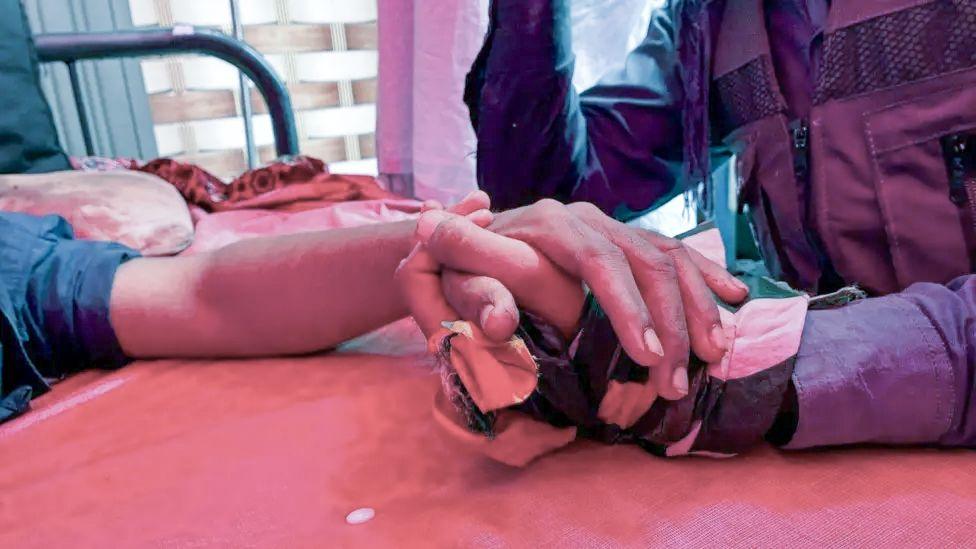
In Rawalakot, a makeshift clinic is pushed to capacity as security officials clash with protesters from the Joint Awami Action Committee (JAAC). A spare bedroom serves as a medical supply cupboard; a bed under a red tarp hosts injured men, their sheets already stained with blood. Among the wounded is Shafqat Hussain, who lies on the bed after a chest gunshot injury and is dying.Since late July, the clinic has treated 50‑60 critically injured people, most of whom suffer severe chest, abdominal or head wounds that require advanced hospitals. Dr Anwar reports that he can perform first aid and superficial cleaning but says larger hospitals would be overwhelmed if many patients arrive simultaneously.Protesters fear that seeking help at the main hospital could result in arrest or further gunfire, a claim denied by authorities who argue that the police only respond when individuals are actively violent. The majority of casualties have been young men aged 15‑35, with few older patients recorded.Families recount the tragic loss of sons who attended demonstrations. Asma of a local family said, "We were only asking for our rights. We are not terrorists," after her son was shot while protesting. Another family member, Salman, mourned that the youngest in his family died, yet also expressed pride that his son died defending people’s rights.Officials state that the JAAC are armed and that their protests serve to disrupt ongoing local polls, while the group denies being violent, claiming they are peaceful and funded by the diaspora in Pakistan‑administered Kashmir. The group says the Pakistani government is responsible for calling in paramilitary forces. Some roads into Rawalakot have been blocked by felled trees; authorities claim they are preventing sabotage, while the JAAC denies any involvement. Drone footage is displayed by police to show armed JAAC members on rooftops, though the group denies the claims.Amid food shortages, many protestors share limited supplies, and some smuggle rice on motorbike backs. The situation remains tense, with no clear indication of when violence might erupt, as many believe the authorities could be involved in a campaign of disinformation. The JAAC says they are ready to negotiate but still plan further protests.