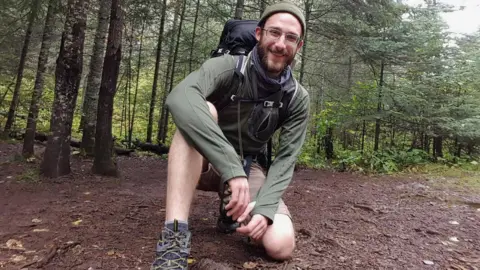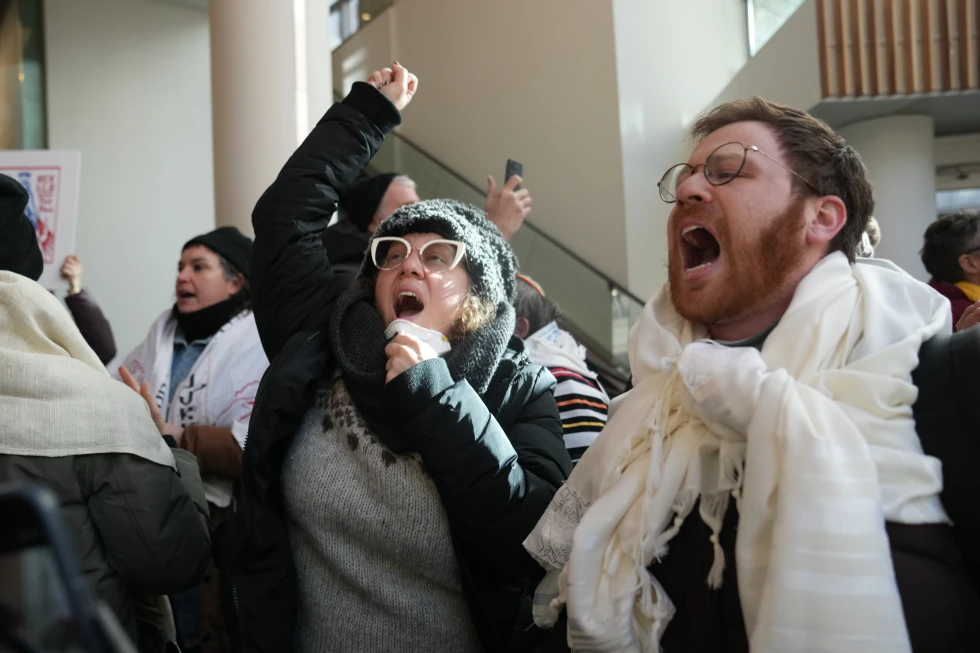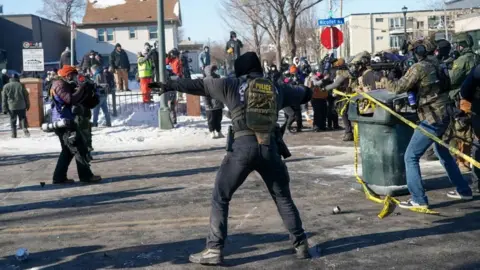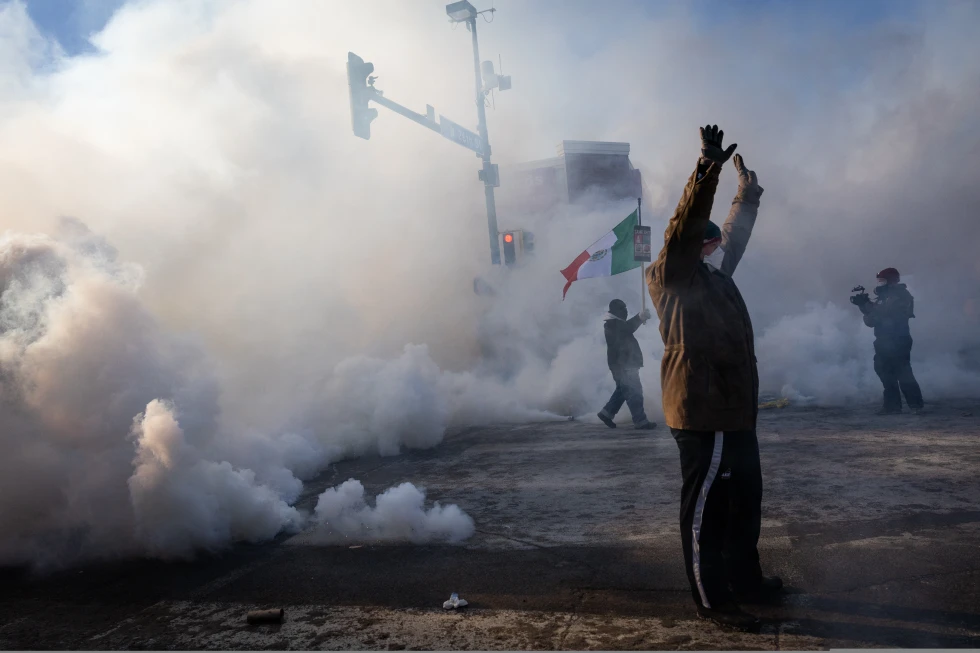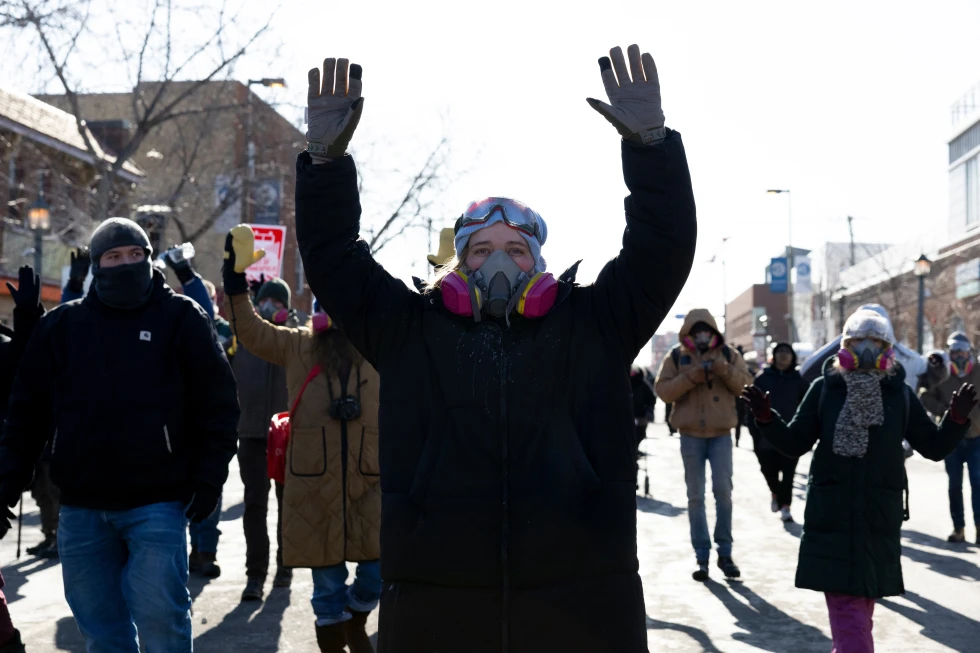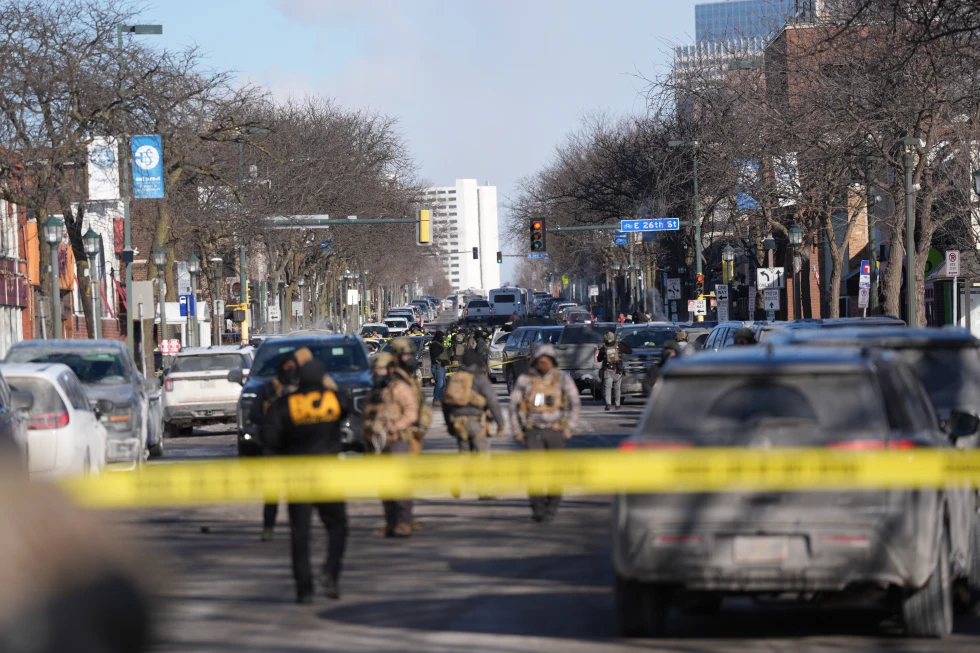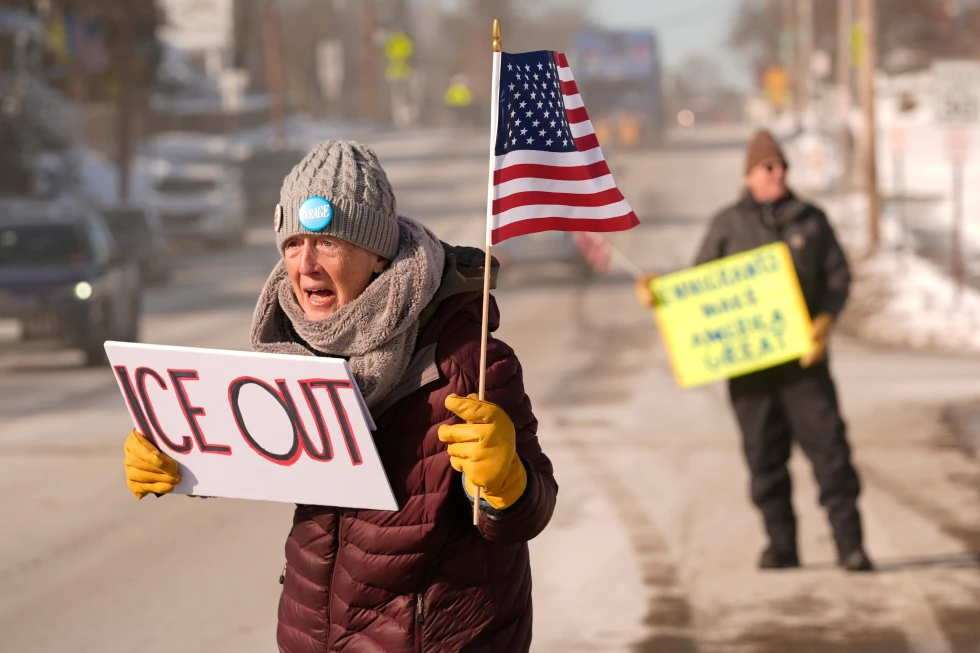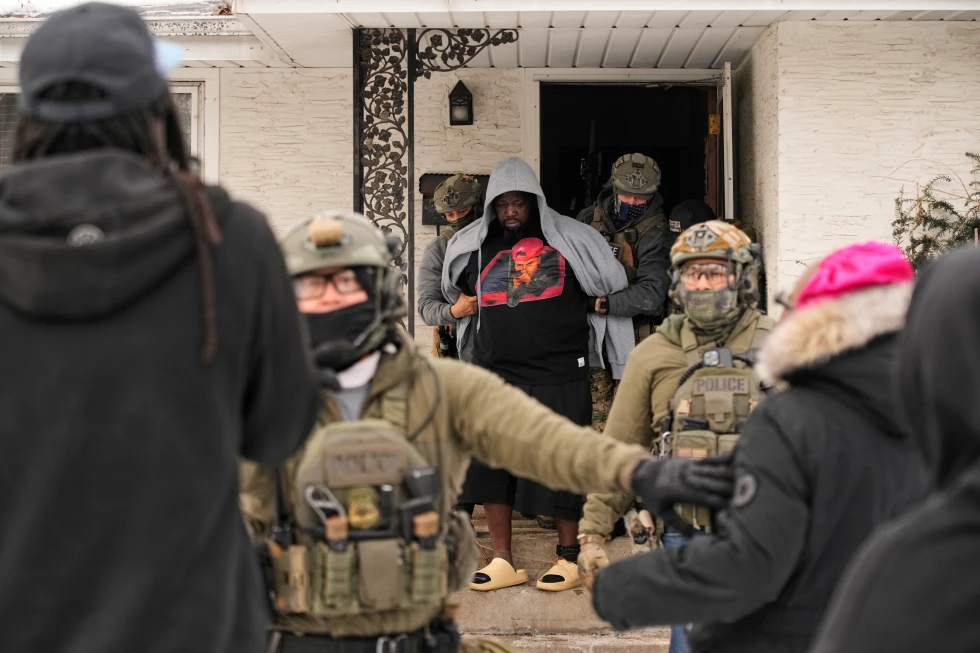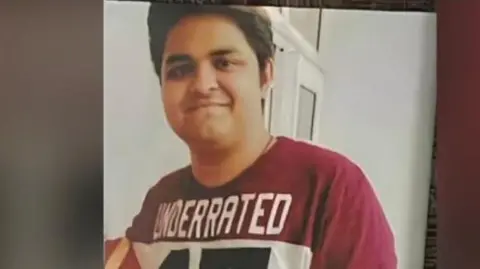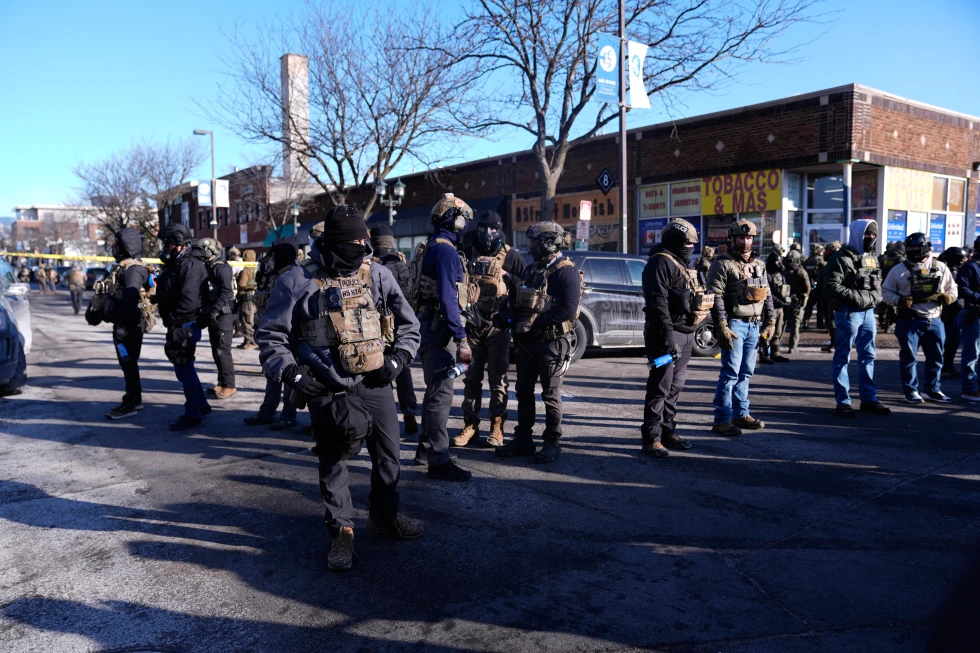
MINNEAPOLIS (AP) — The family of Alex Jeffrey Pretti, a 37-year-old ICU nurse at the Veterans Administration, is mourning the loss of their son who was fatally shot by a federal officer during a protest against immigration enforcement in Minneapolis on Saturday. Described by his father as deeply compassionate and upset with the current immigration crackdown, Pretti was known for his commitment to helping others and had recently joined protests following the death of Renee Good, another activist killed by U.S. Immigration and Customs Enforcement (ICE).
Pretti, a U.S. citizen born in Illinois and an avid outdoorsman, participated in activism around issues related to immigration, reflecting the sentiments of many in his community who oppose aggressive enforcement actions. His family revealed that he had no criminal background and had only interacted with law enforcement on minor traffic violations. During a recent conversation, his anxious parents had advised him to protest carefully to avoid conflict with authorities.
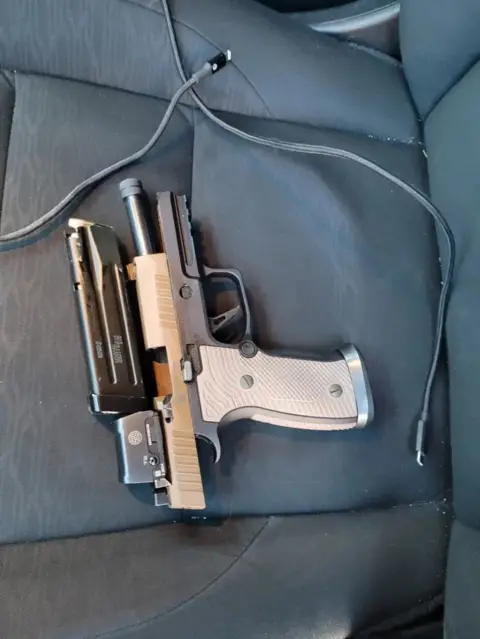
The situation escalated when the Department of Homeland Security reported Pretti approached U.S. Border Patrol officers armed with a 9 mm handgun. Officials did not clarify whether Pretti brandished the weapon at the time of the shooting, and no visible evidence of the firearm was present in bystander video footage reviewed by The Associated Press.
Despite owning a handgun and holding a concealed carry permit, family members noted Pretti was not known to often carry it. The family's first awareness of the shooting came through an Associated Press reporter who reached out to them, leading to further attempts to obtain information about their son's condition.
As the family grappled with the shock of the incident, they found it difficult to gain answers from various authorities, expressing frustration at the lack of communication and transparency surrounding the shooting, until they were finally confirmed by the Hennepin County Medical Examiner.
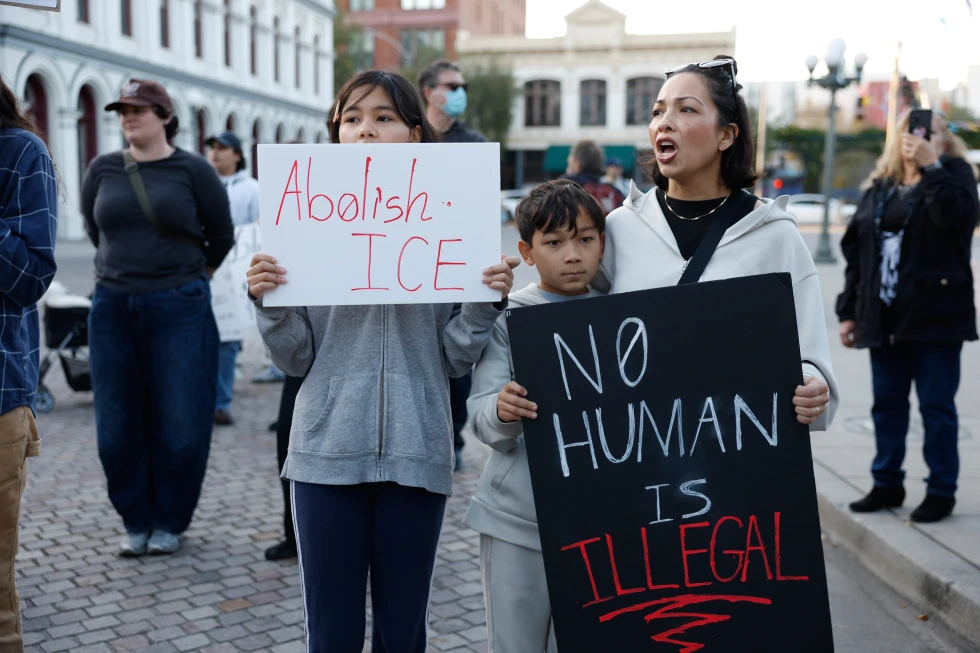
The tragic event has reignited debates about the role of federal immigration enforcement and law enforcement interactions within communities already strained by national policy debates. It raises critical questions about safety during protests and the realities of everyday citizens engaging in activism in today’s political climate.
Pretti, a U.S. citizen born in Illinois and an avid outdoorsman, participated in activism around issues related to immigration, reflecting the sentiments of many in his community who oppose aggressive enforcement actions. His family revealed that he had no criminal background and had only interacted with law enforcement on minor traffic violations. During a recent conversation, his anxious parents had advised him to protest carefully to avoid conflict with authorities.
The situation escalated when the Department of Homeland Security reported Pretti approached U.S. Border Patrol officers armed with a 9 mm handgun. Officials did not clarify whether Pretti brandished the weapon at the time of the shooting, and no visible evidence of the firearm was present in bystander video footage reviewed by The Associated Press.
Despite owning a handgun and holding a concealed carry permit, family members noted Pretti was not known to often carry it. The family's first awareness of the shooting came through an Associated Press reporter who reached out to them, leading to further attempts to obtain information about their son's condition.
As the family grappled with the shock of the incident, they found it difficult to gain answers from various authorities, expressing frustration at the lack of communication and transparency surrounding the shooting, until they were finally confirmed by the Hennepin County Medical Examiner.
The tragic event has reignited debates about the role of federal immigration enforcement and law enforcement interactions within communities already strained by national policy debates. It raises critical questions about safety during protests and the realities of everyday citizens engaging in activism in today’s political climate.