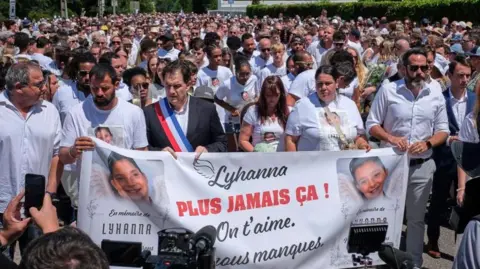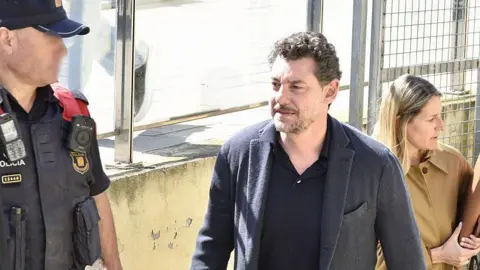
On 9 June 2026, the French public erupted in indignation after the body of 11‑year‑old Lyhanna was found in a rural area near Fleurance. The tragedy revealed that the suspect, 41‑year‑old Jérôme Barella, had been reported to police in August for alleged sexual abuse of a younger child, yet no investigation was launched for nearly nine months.
More than 60,000 protesters crossed Paris streets demanding the resignation of Justice Minister Gérald Darmanin, who is a leading figure in President Emmanuel Macron’s Renaissance party. The victim’s mother has also filed a lawsuit against the state and the minister, citing failed duty of care.
Darmanin acknowledged “shocking and unacceptable failings” but declined to step down. He urged that authorities prioritise rape allegations and that the legal system does not merely rely on additional funding or technology, but on proper procedure and timely action.
Prime Minister Sébastien Lecornu pledged to tighten child‑protection law, proposing harsher penalties for serial rapists and expanding investigative resources. The case has sparked broader debate over the capacity of France’s magistrates and prosecutors and the need for reforms in handling child‑abuse complaints.