Global Report Reveals 7 Million Preventable Cancers Annually
According to a new global analysis published by the World Health Organization (WHO), an estimated 7 million cancer cases could be prevented yearly. The report indicates that about 37% of cancer cases stem from factors such as infections, lifestyle choices, and environmental pollutants.
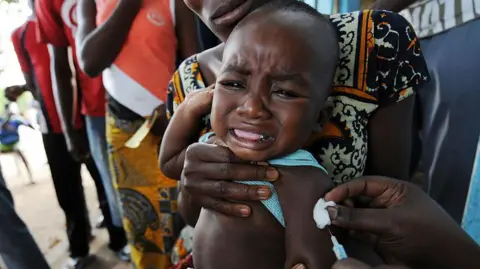
This groundbreaking analysis points out that various cancers, including cervical cancer caused by human papilloma virus (HPV) infections, could largely be avoided through vaccination. Furthermore, cancers resulting from tobacco use highlight lifestyle choices as significant risk factors.
Researchers urge that there exists a powerful opportunity to enhance public health by minimizing these preventable cancers. Notably, while some cancers are inevitable due to genetic or age factors, the statistic that nearly four in ten cancers can be prevented is both substantial and surprising.
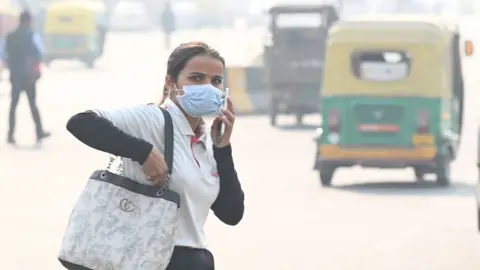
The International Agency for Research on Cancer, part of the WHO, analyzed over 30 identifiable risk factors contributing to cancer. High-impact elements include tobacco smoke, UV radiation, obesity, and environmental pollutants, all of which have been shown to elevate cancer risk.
The WHO's research collaborates statistics on cancer cases from 2022, taking a decade to analyze the impact of these risk factors across 185 nations. Major preventable contributors identified include:
- 3.3 million cancers due to smoking
- 2.3 million cancers resulting from infections
- 700,000 cancers linked to alcohol consumption
Gender disparities in cancer prevention emerged, revealing that 45% of men's cancers are deemed preventable compared to only 30% in women. This difference is mainly attributed to higher smoking rates in men.
In geographical terms, the preventable cancer landscape varies significantly; in Europe, smoking ranks as the leading cause, followed by infections and obesity, while in sub-Saharan Africa, infections dominate as nearly 80% of preventable cancers among women arise from them.
In light of these findings, the researchers emphasize that measures to combat cancer must be tailored to regional needs and circumstances. Dr. Isabelle Soerjomataram, deputy head of the IARC Cancer Surveillance Unit, remarked that addressing these preventable factors presents a strategic opportunity to significantly reduce the global cancer burden.
The research underlines how comprehensive strategies, such as vaccination and smoking control policies, can effectively decrease the incidence of preventable cancers over time. With ongoing efforts to refine public health approaches, the goal is to bring the percentage of preventable cancers closer to zero.