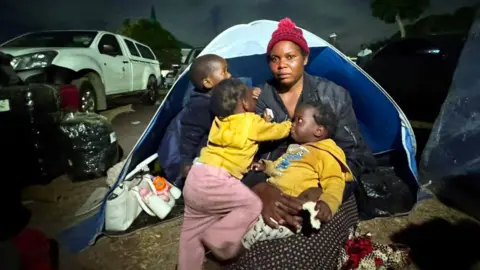
MINNEAPOLIS (AP) — The new enforcement policies under the Trump administration have drastically altered the healthcare landscape for undocumented immigrants in Minnesota, giving rise to significant fear and chaos within the community. Reports tell of pregnant women avoiding crucial medical checkups, patients neglecting necessary medication, and healthcare providers from immigrant backgrounds feeling unsafe at their workplaces.
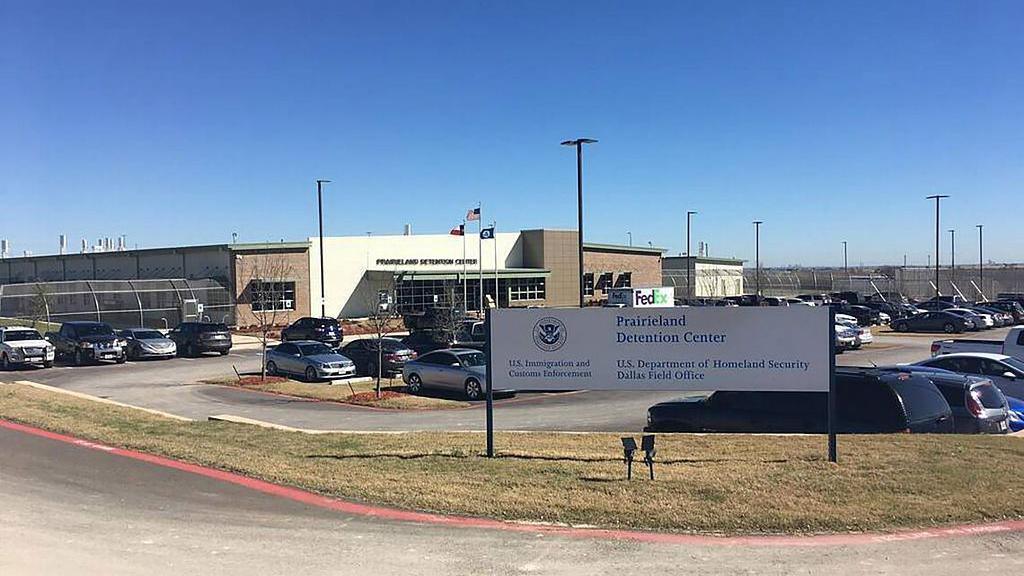
Among the harrowing stories are those of a pregnant woman who missed a medical appointment and ended up giving birth at home, and a kidney cancer patient whose treatment was jeopardized as he was detained without access to his medication. This distressing shift is a result of the 2018 announcement that federal immigration officials could make arrests in sensitive locations such as hospitals and clinics, reversing a long-standing policy.
Dr. Roli Dwivedi, past president of the Minnesota Academy of Family Physicians, raised alarm at a recent Capitol news conference, highlighting how these changes have placed medical facilities under siege and adversely affected patient care. Other healthcare professionals echoed similar sentiments, illustrating the chaos and fear that prevails even more than during the COVID-19 pandemic.
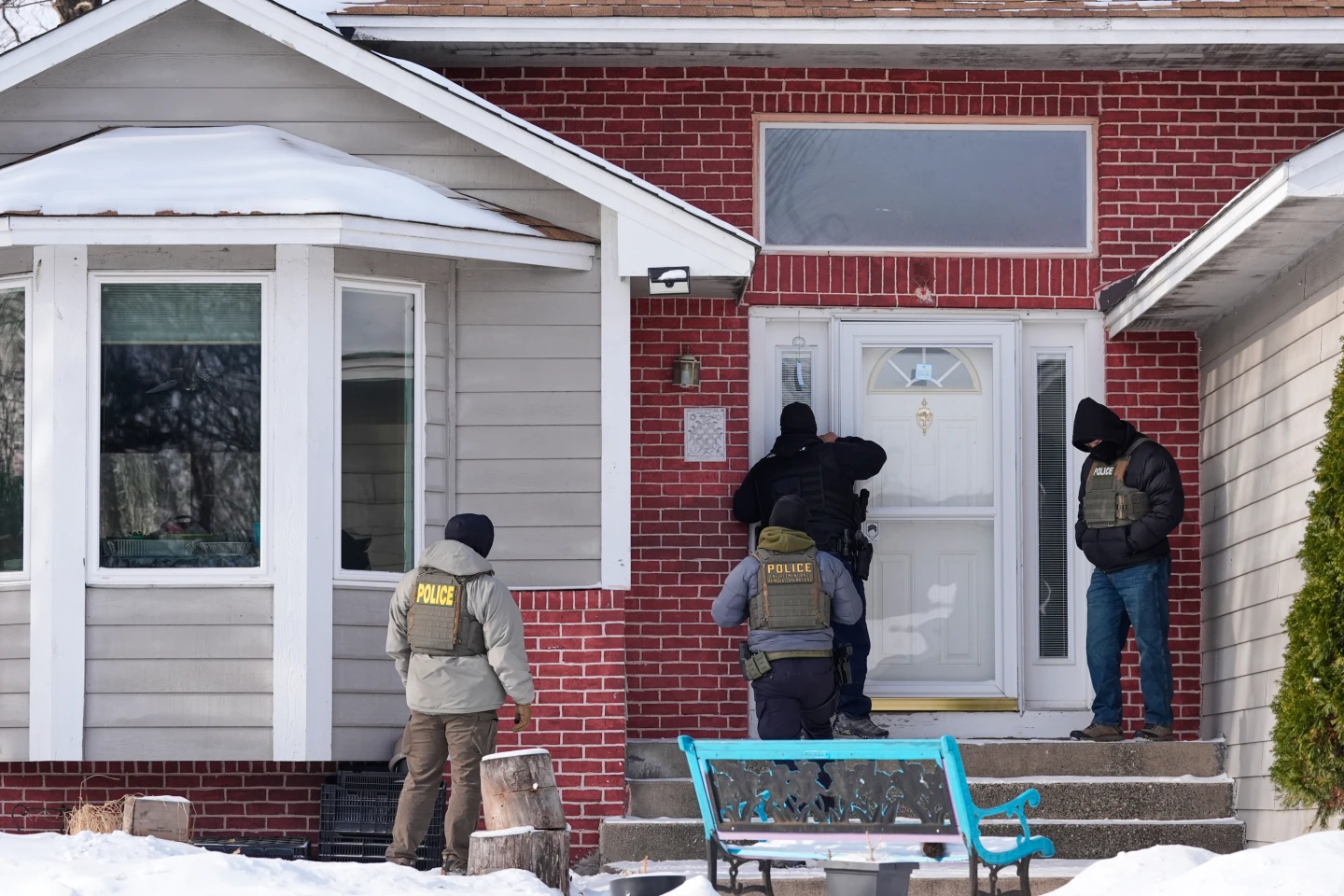
With the government claiming more than 3,000 arrests during what they termed Operation Metro Surge — the most significant immigration enforcement operation to date — the implications have resulted in protests and public outcry. Activists and local officials have engaged in heated disputes with federal representatives amid increasing incidents of violence, including one case where a mother of three lost her life during an ICE arrest, further inflaming tensions between the community and the government.
As the community grapples with these challenges, Dr. Erin Stevens highlighted how pregnant individuals are seeking home births due to fears surrounding hospital visits. Requests for at-home births have surged, often among those who had never considered such options before, raising alarms among healthcare professionals.
The surge in enforcement has met with substantial pushback from community activists, highlighting the need for job safety and access to healthcare. The situation remains precarious as the federal government’s actions confront local ethics and human rights, attracting scrutiny and calls for justice.