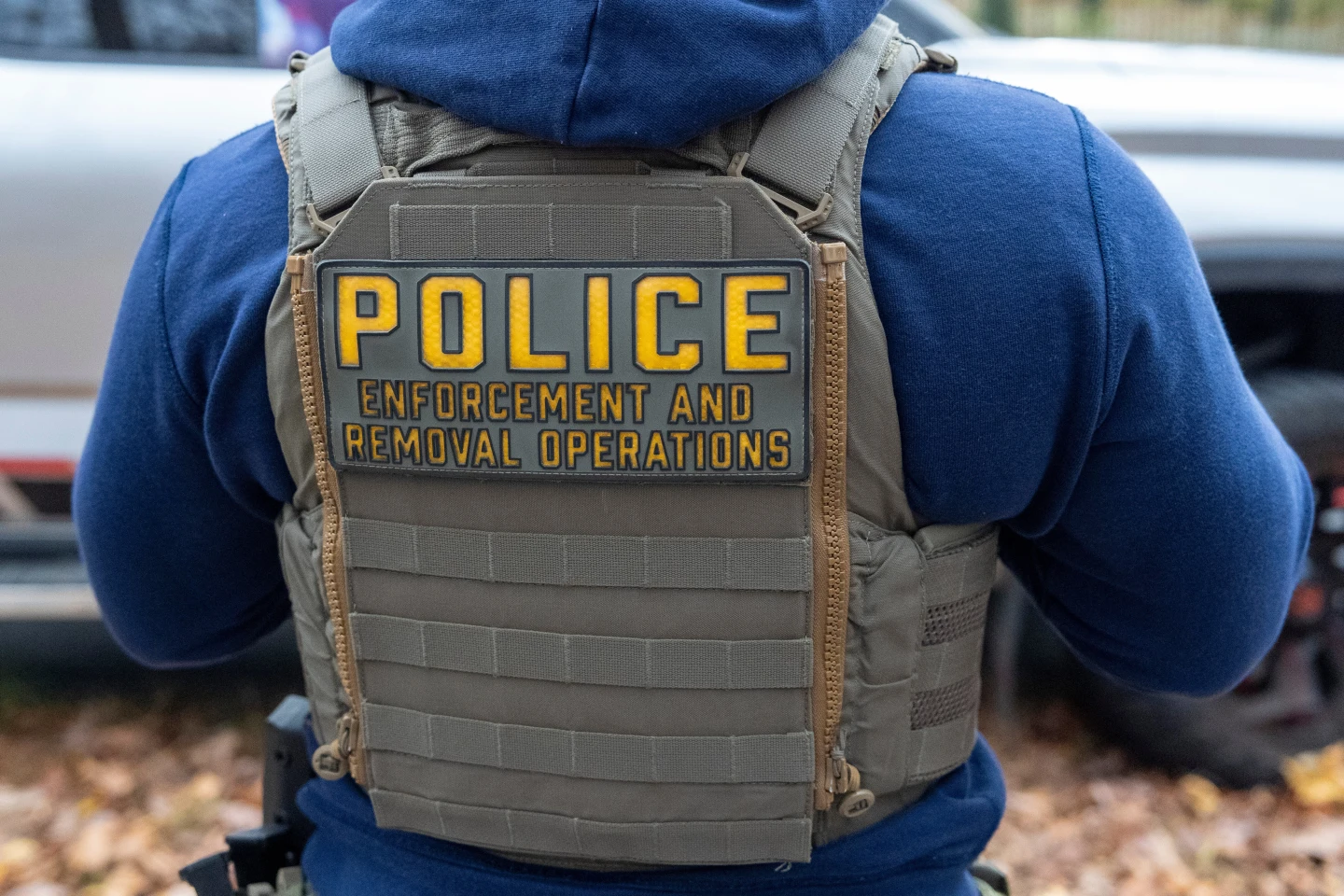
ST. PAUL, Minn. — Federal immigration agents forced open a door and detained a U.S. citizen in his Minnesota home at gunpoint without a warrant, leading him out onto the streets in his underwear in subfreezing conditions, according to his family and videos reviewed by The Associated Press.
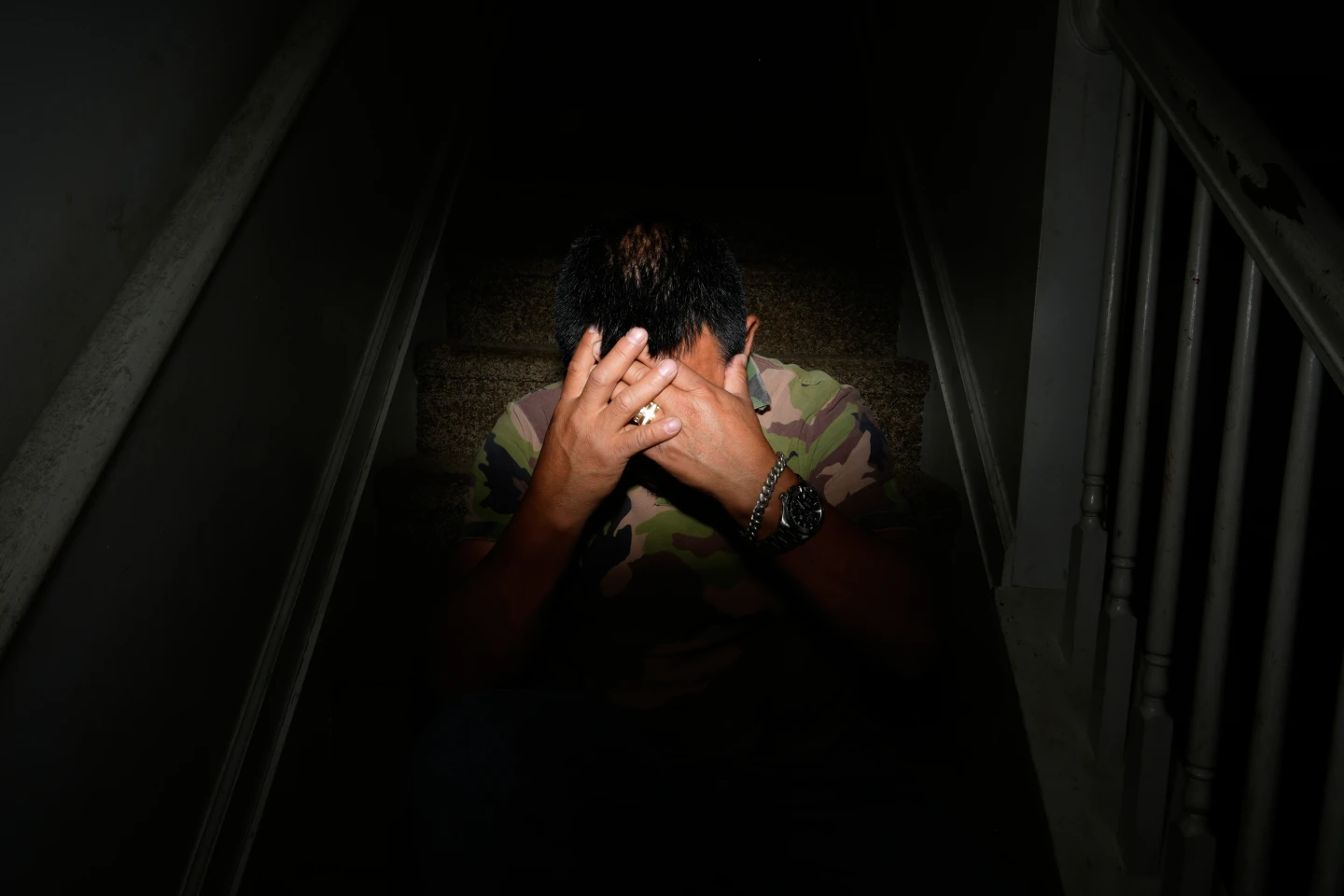
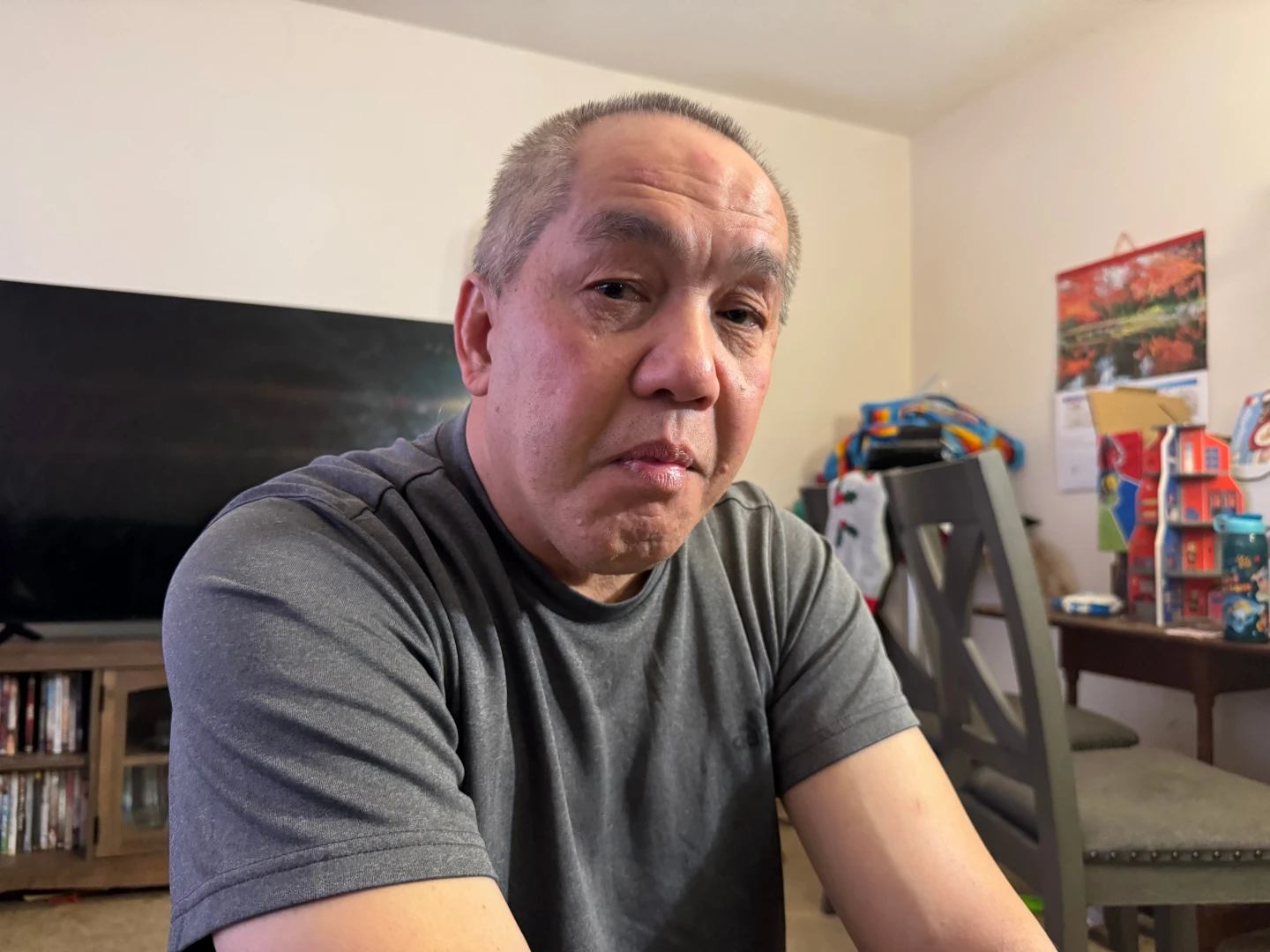
ChongLy “Scott” Thao described distressing moments when he was awakened from a nap by his daughter-in-law, who informed him that U.S. Immigration and Customs Enforcement (ICE) agents were banging at the door. Concerned for their safety, he urged her not to open it. Masked agents subsequently forced entry, guns drawn, alarming the family.
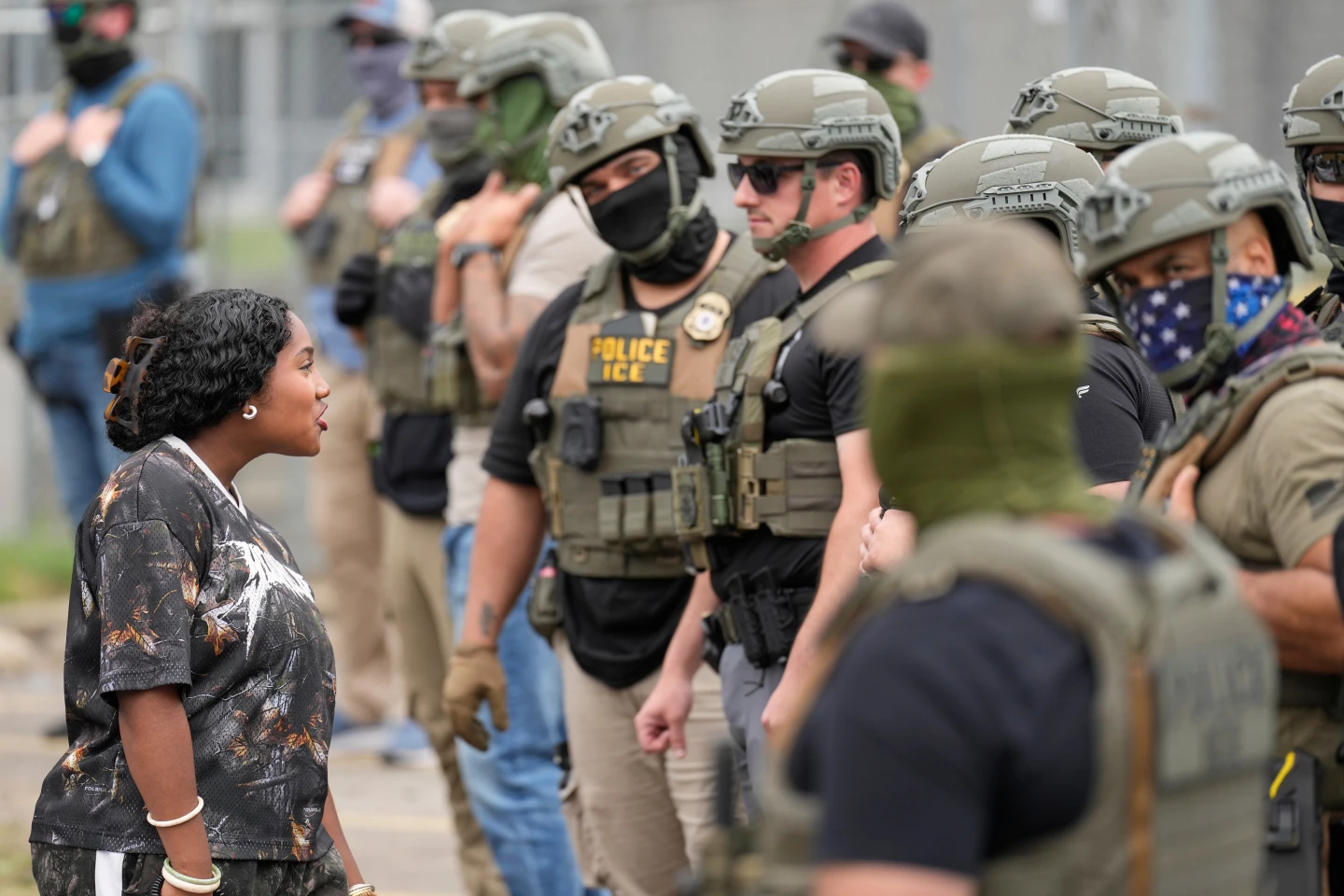
“I was shaking,” Thao recounted. “They didn’t show any warrant; they just broke down the door.” This incident comes amid a significant influx of federal agents in the Twin Cities, prompting backlash from local residents and leaders regarding warrantless arrests, confrontations with protesters, and a previous fatal incident involving an ICE operation.
St. Paul Mayor Kaohly Her responded to Thao’s arrest, stating, “ICE is not doing what they say they’re doing. They’re not going after hardened criminals. They’re going after anyone and everyone in their path. It is unacceptable and un-American.”
Videos from the scene showed Thao, a long-time U.S. citizen, being paraded in handcuffs wearing only sandals and underwear, wrapped in a blanket, as his distressed 4-year-old grandson looked on. The public's response included protestors blowing whistles and shouting for the agents to leave Thao's family alone.
Thao further explained that as he was taken away, he requested his identification, which agents dismissed as unnecessary. He recalled being transported to an isolated location in the cold and feeling his safety was in jeopardy during the process, only to be returned after the agents confirmed his citizenship.
The U.S. Department of Homeland Security (DHS) claimed that the operation was “targeted” at two convicted sex offenders believed to reside with Thao; however, family members vehemently dispute the DHS narrative, asserting there were no such individuals living at their residence.
Thao’s family expressed outrage at the treatment he received, particularly given their history. His mother fled Laos, having supported U.S. operations during the Vietnam War, and now they feel a profound sense of betrayal by the American government they once trusted. Thao voiced his fear and uncertainty post-incident, stating, “I don’t feel safe at all. What did I do wrong? I didn’t do anything.”
Thao plans to file a civil rights lawsuit against DHS after this distressing ordeal, which has raised significant concerns over individual rights amid current immigration enforcement practices.
ChongLy “Scott” Thao described distressing moments when he was awakened from a nap by his daughter-in-law, who informed him that U.S. Immigration and Customs Enforcement (ICE) agents were banging at the door. Concerned for their safety, he urged her not to open it. Masked agents subsequently forced entry, guns drawn, alarming the family.
“I was shaking,” Thao recounted. “They didn’t show any warrant; they just broke down the door.” This incident comes amid a significant influx of federal agents in the Twin Cities, prompting backlash from local residents and leaders regarding warrantless arrests, confrontations with protesters, and a previous fatal incident involving an ICE operation.
St. Paul Mayor Kaohly Her responded to Thao’s arrest, stating, “ICE is not doing what they say they’re doing. They’re not going after hardened criminals. They’re going after anyone and everyone in their path. It is unacceptable and un-American.”
Videos from the scene showed Thao, a long-time U.S. citizen, being paraded in handcuffs wearing only sandals and underwear, wrapped in a blanket, as his distressed 4-year-old grandson looked on. The public's response included protestors blowing whistles and shouting for the agents to leave Thao's family alone.
Thao further explained that as he was taken away, he requested his identification, which agents dismissed as unnecessary. He recalled being transported to an isolated location in the cold and feeling his safety was in jeopardy during the process, only to be returned after the agents confirmed his citizenship.
The U.S. Department of Homeland Security (DHS) claimed that the operation was “targeted” at two convicted sex offenders believed to reside with Thao; however, family members vehemently dispute the DHS narrative, asserting there were no such individuals living at their residence.
Thao’s family expressed outrage at the treatment he received, particularly given their history. His mother fled Laos, having supported U.S. operations during the Vietnam War, and now they feel a profound sense of betrayal by the American government they once trusted. Thao voiced his fear and uncertainty post-incident, stating, “I don’t feel safe at all. What did I do wrong? I didn’t do anything.”
Thao plans to file a civil rights lawsuit against DHS after this distressing ordeal, which has raised significant concerns over individual rights amid current immigration enforcement practices.