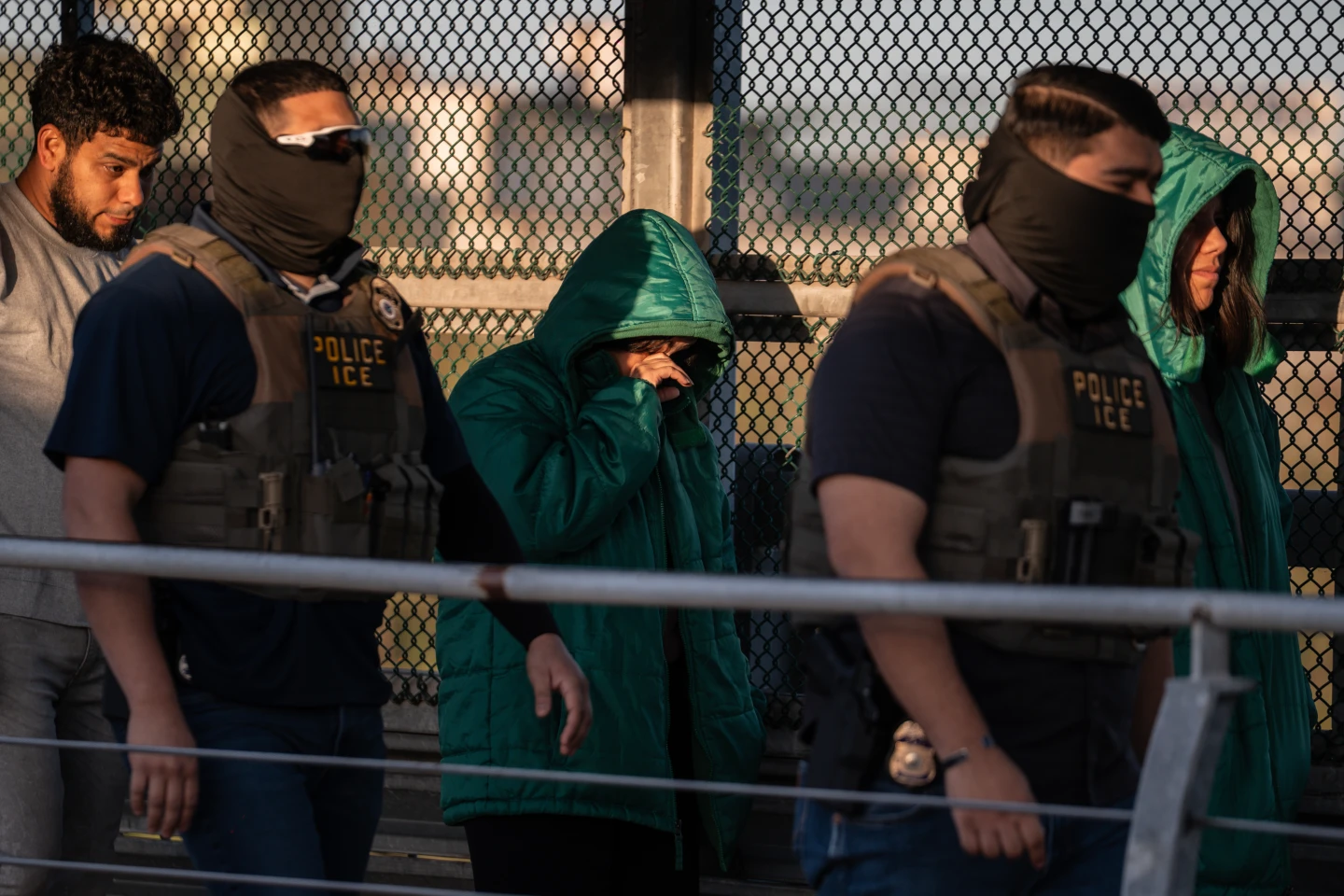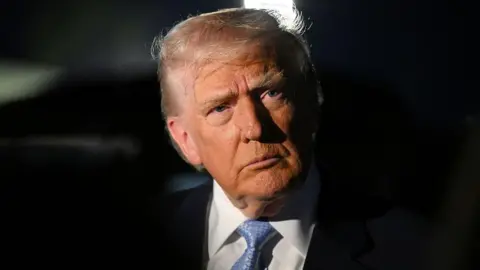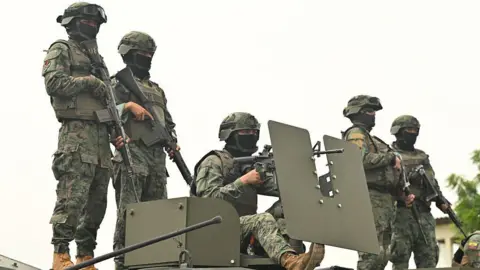
With 1,500 troops reportedly on standby to deploy to Minnesota, tensions are rising in the state as protests continue against Donald Trump's immigration crackdown. US officials say they are targeting the worst of the worst but critics warn migrants with no criminal record and US citizens are being detained, too.
Sunshine, a local resident, reflects the anxiety in her community as she observes unmarked PATROLS of ICE agents in her neighborhood, voicing her concerns over potential racial profiling. She asserts, I have decided for my own safety to give them more space, highlighting the pervasive fear surrounding ICE activities.
Each day, residents in loosely organized groups drive around their neighborhoods trying to spot ICE agents and film them, they say, to hold them to account. I, we, have the legal right to drive on the streets of our own city and we have the legal rights to observe [the ICE agents], but they seem to have forgotten that, she adds, presenting the ongoing struggle as a battle between a Republican president and a Democratic city.
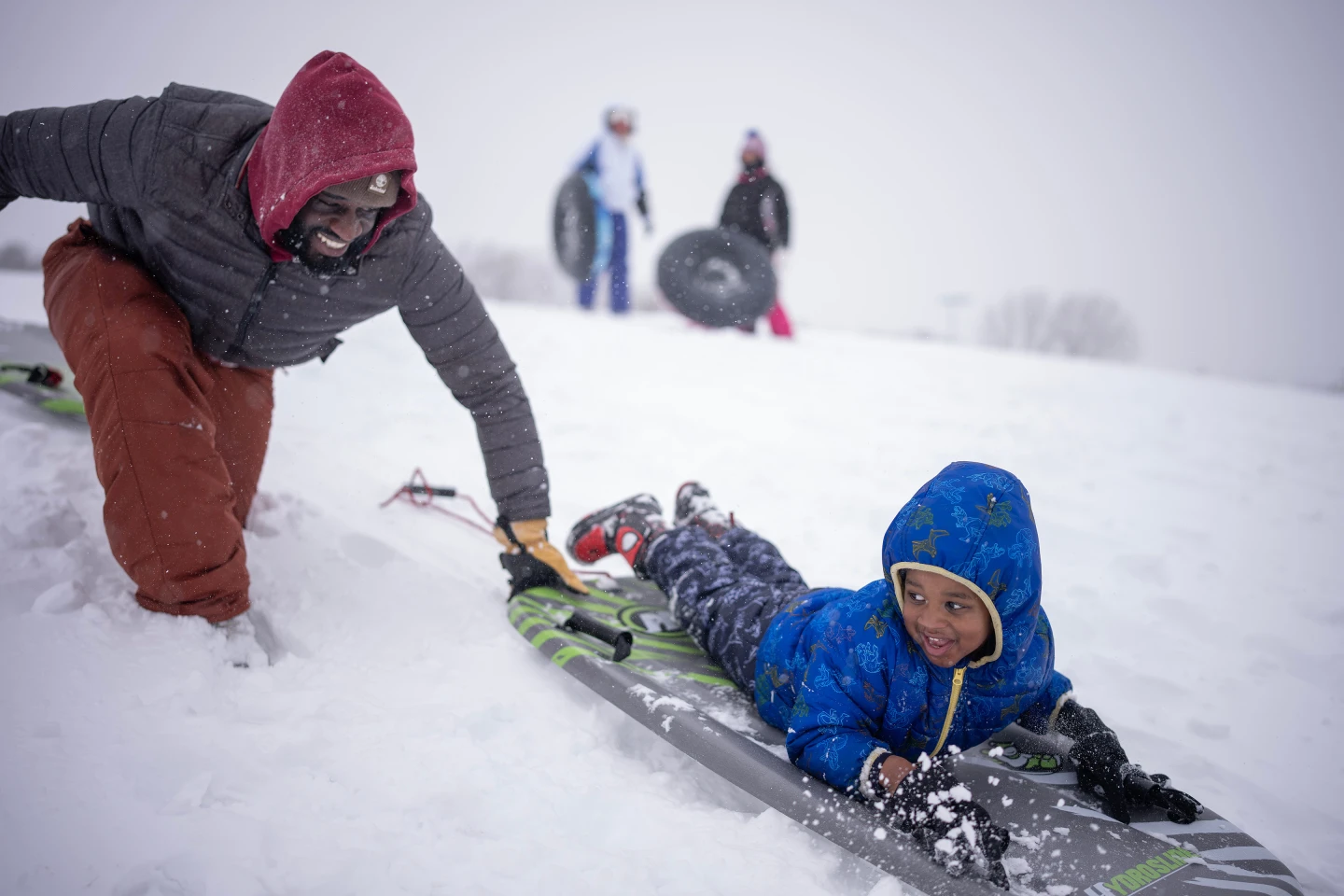
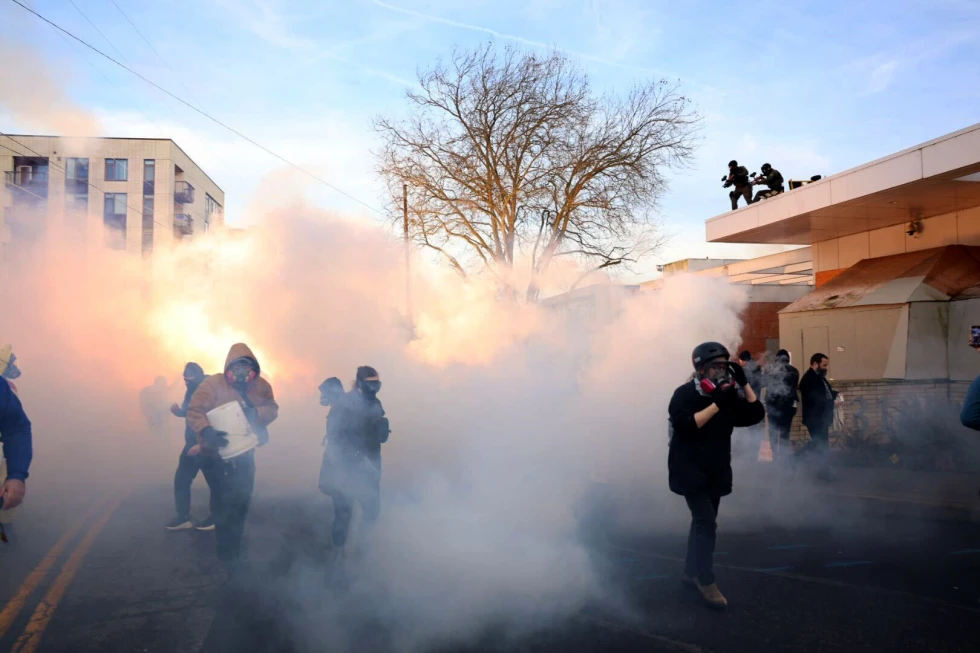
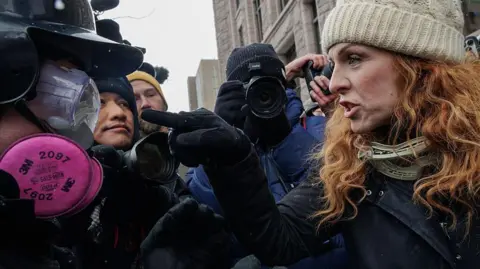
This week as the temperature plummeted, protests intensified against ICE agents outside the federal building hosting them. Minnesota officials have urged protesters to stay orderly and peaceful, and local officials have said the majority have stayed trouble-free. But at times there have been clashes, with the authorities deploying tear gas and pepper balls to disperse crowds.
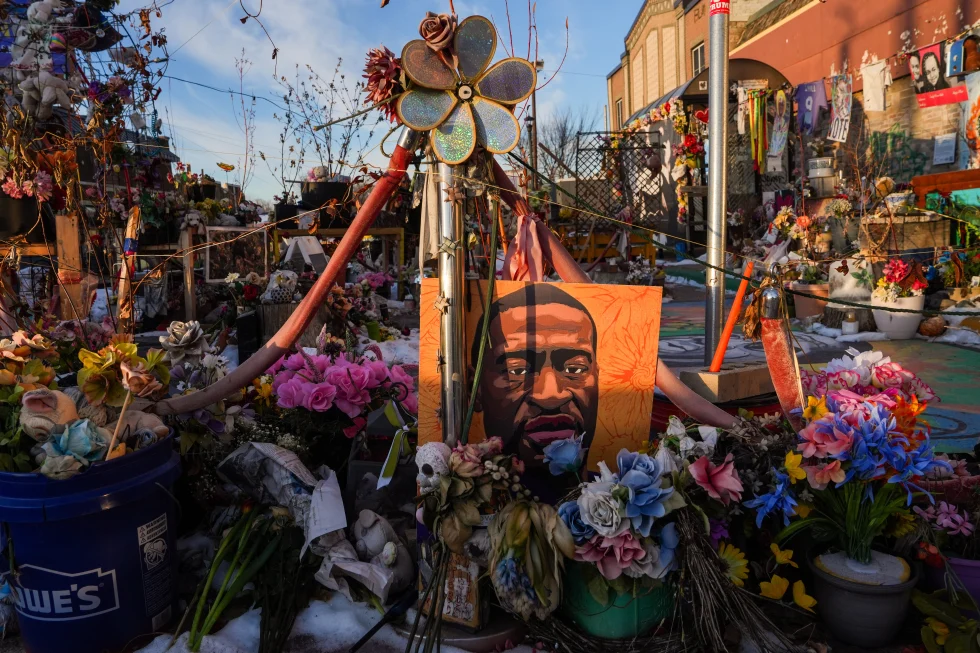
A US federal judge has ruled that ICE agents cannot use aggressive crowd control tactics against peaceful demonstrators. This decision followed heightened tensions due to the fatal shooting of local resident Renée Good by an ICE agent earlier this month, sparking widespread outrage and mobilization within the community.
With Trump vowing to carry on with his mass deportation initiatives and the situation becoming increasingly volatile, many locals like Sunshine feel compelled to take action in defense of their neighbors. We have to protect one another, she emphasizes, as she speaks on the lengths to which community members are prepared to go to support each other amid an environment of fear and distrust.
Counter-protests have also emerged, indicating that the city's response to Trump’s immigration policies is far from unified, as residents confront far-right rallies and emerging tensions continue to mount. With both community and political leaders entrenched in their positions, Minnesota finds itself navigating a critical moment in its contemporary struggle over immigration and civil rights.