In brief
This year marks the 40th federal observation of Martin Luther King Jr. Day, yet the festivities are clouded by a tense political atmosphere. Events are occurring nationwide, focusing on King’s legacy of equality amidst criticisms of current governmental actions that detract from civil rights advancements. Notable discussions surround recent actions perceived as hindering diversity initiatives and escalating fears in marginalized communities. Despite challenges, various groups, including NAACP and Movement for Black Lives, focus on activism and reflection on King's principles.
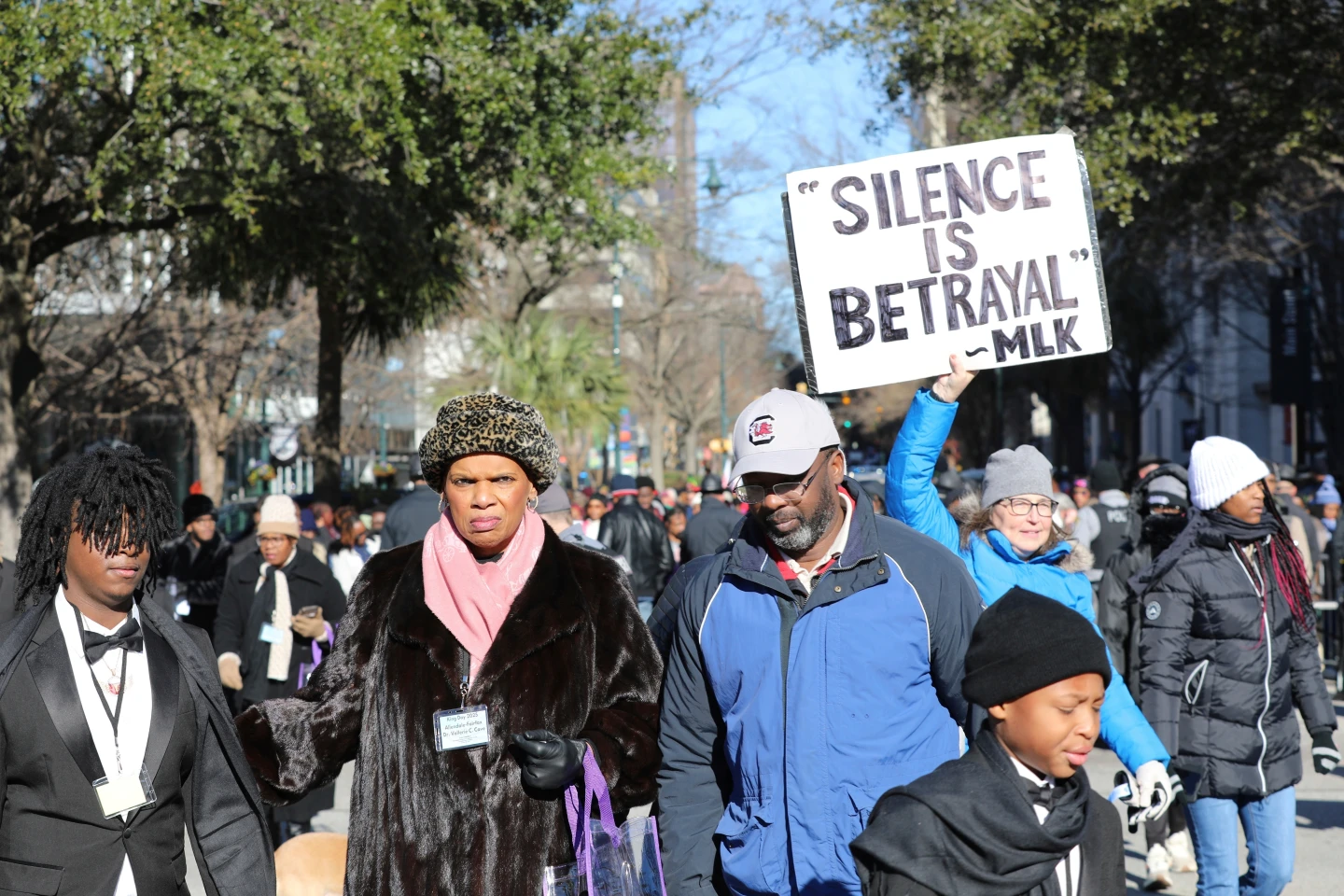
As communities across the country host parades, panels, and projects in honor of Martin Luther King Jr. Day, the political climate presents a stark contrast to the celebratory spirit of the holiday. This year marks the 40th federal observation of the day dedicated to the slain civil rights leader, but for many, the celebration is tinged with anxiety about the state of civil rights in America.
Since Donald Trump’s second inauguration, there has been significant backlash against diversity, equity, and inclusion initiatives. Critics argue that federal actions, such as those targeting predominantly Black-led cities, signal a regression in social progress that King fought to achieve. For instance, Trump's executive orders aimed at ending perceived discrimination against white individuals while dismantling programs aimed at facilitating racial equality have sparked widespread concern among advocates for civil rights.
The tragic shooting of an unarmed woman by Immigration and Customs Enforcement agents in Minneapolis exacerbates fears within immigrant communities, adding to a growing narrative of discomfort surrounding discussions of social justice. Activists contend that current leadership dismisses the hard work done by King and others to uplift marginalized populations, weakening the foundations of progress made over decades.
Still, the tension has not suppressed the spirit of activism tied to King’s legacy. Conservative supporters advocate for a celebration focused on King’s vision of a colorblind society, urging adherence to his call for character over skin color. In contrast, various Black advocacy organizations, including the NAACP and the Movement for Black Lives, are mobilizing under the themes of resistance and reclamation of King’s radical legacy, reaffirming the need to confront ongoing injustices.
In addition to educational events aimed at promoting awareness of civil rights issues, there is a growing trend among institutions such as Indiana University, which has cancelled traditional King Day events, citing budget constraints and hints of political pressure. Meanwhile, the National Civil Rights Museum in Memphis continues to host annual celebrations, emphasizing the significance of recognizing King’s principles in today’s ongoing fight for equality.
As the day unfolds, it is clear that the complexities of the current political landscape will shape how Martin Luther King Jr. Day is observed, blending remembrance with a call to action.