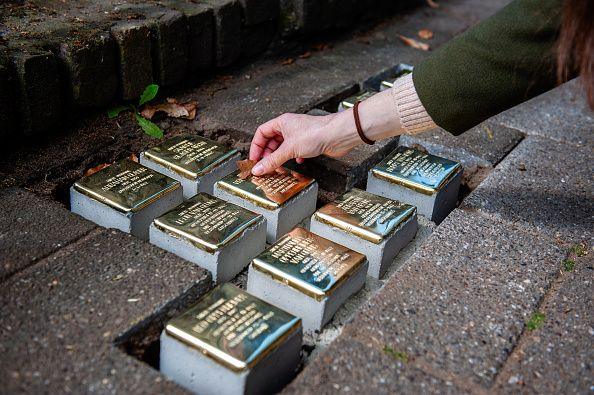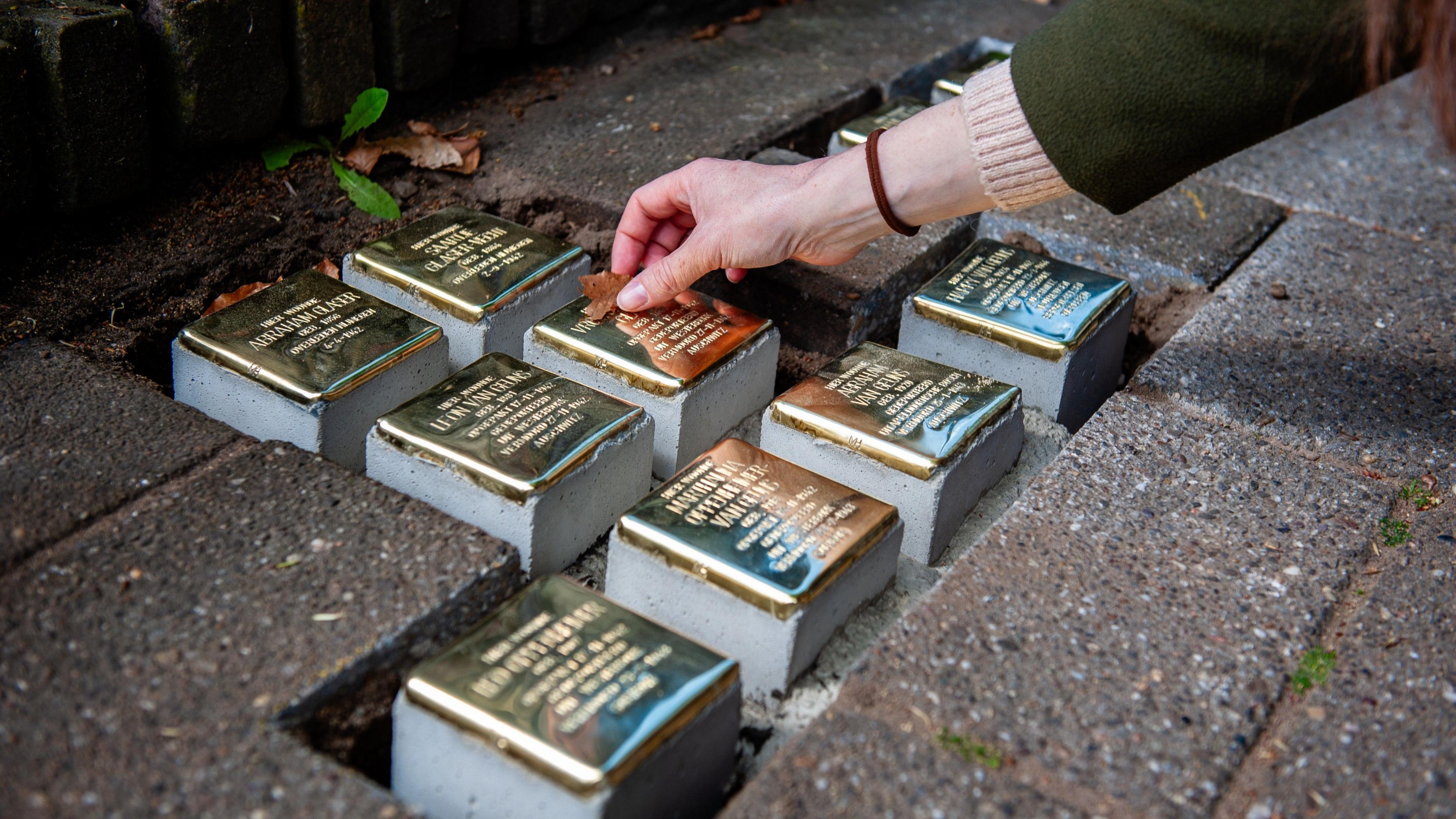
Heidenau, a small town east of Dresden, has outlawed the use of Stolpersteine—tiny bronze plaques that honor Jews and other victims of Nazi persecution—on its streets. The ban, approved by a coalition of AfD and CDU councillors, came after some residents expressed discomfort with memorials placed where victims once lived and worked.
The move was called a “scandal” by Education Minister Karin Prien, who urged that future remembrance should be located in the city’s Nordfriedhof cemetery so that people do not step directly onto the stones. She criticised the decision as prioritising death over life and marginalising Jewish heritage.
Stolpersteine, introduced in the 1990s, are intended as hidden reminders that force passersby to confront history. They are installed by donation and have been erected across Europe, often on municipal land in front of former homes.
Jewish community leaders, including Holocaust survivor Charlotte Knobloch, denounced the ban as an inappropriate attempt to erase public memory. Knobloch emphasised that decentralised remembrance—where memorials permeate everyday spaces—is essential to a genuine culture of remembrance. She noted that Munich, for example, does not have city‑owned Stolpersteine but does allow plaques on public buildings.
Gunter Demnig, the artist behind the Stolpersteine project, said that rising AfD influence could make such bans inevitable. The right‑wing alternative gained recent electoral victories in Saxony-Anhalt and Mecklenburg‑Vorpommern, where several branches have been flagged by domestic intelligence as extremist.
Human rights organisations warn that erasing street‑level memorials could revive anti‑Jewish sentiment and broaden the reach of extremist voices in urban landscapes.