A recent analysis covering 35 American cities indicates a remarkable 21% decline in homicide rates between 2024 and 2025, translating to approximately 922 fewer homicides last year, according to a report from the independent Council on Criminal Justice.
The report, released on Thursday, provides insights into various crime trends, showing a reduction in 11 out of 13 crime categories analyzed, including notable declines in carjackings, shoplifting, and aggravated assaults. While drug-related offenses recorded a slight uptick, sexual assaults remained stable during this period.
Experts noted that similar reductions in homicides and other criminal activities are emerging in cities and states not included in the study; however, the specific reasons behind this trend remain unclear. Both Democratic and Republican officials have claimed credit for these declines, underscoring the complex nature of crime reduction.
Adam Gelb, the council's President and CEO, remarked on the dramatic reduction of crime after significant increases during the COVID-19 pandemic, with some cities reporting historically low homicide figures. Gelb emphasized the need to analyze the factors contributing to these positive changes, stating, There’s never one reason crime goes up or down.
The report reflects a broader trend of decreasing crime rates across major cities, including a staggering 40% reduction observed in Denver, Omaha, and Washington, D.C. Conversely, Little Rock, Arkansas, is noted for a troubling 16% increase in its homicide rate during the same time frame.
Collection of data by the council involves extensive collaboration with police departments, with the report examining the impact of social, cultural, and economic factors on crime statistics. Gelb suggests that overarching national forces can significantly influence localized crime trends, challenging the conventional view that local conditions primarily dictate crime rates.
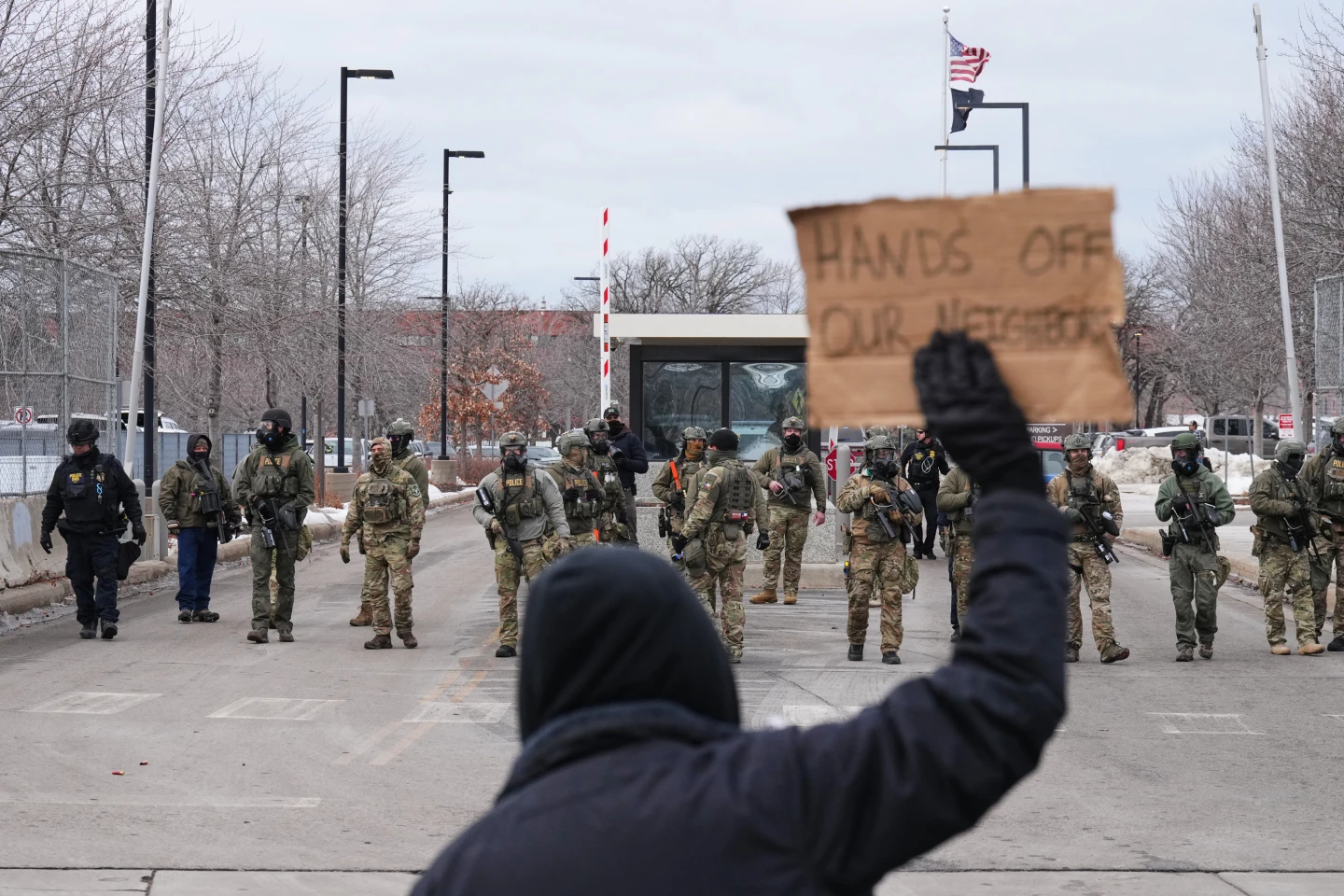
Political responses have varied, with Republicans attributing crime reductions to stringent law enforcement measures, including the deployment of National Guard troops in certain cities. However, cities that did not experience these interventions also report similar declines, suggesting that more than just policy initiatives may be driving these changes.
Democratic mayors, too, have cited their public safety strategies as having a part in the favorable outcomes. Experts like Jens Ludwig, a public policy professor, point out that diverse initiatives, including enhanced educational funding and increased law enforcement resources, could be contributing to crime reduction. Ludwig warns, however, that given the volatility of crime rates, it is premature for any political faction to claim definitive victory in this ongoing issue.
As cities navigate the path forward, experts continue to advocate for a holistic understanding of crime dynamics, emphasizing the intricate interplay of various societal factors at local, state, and national levels.