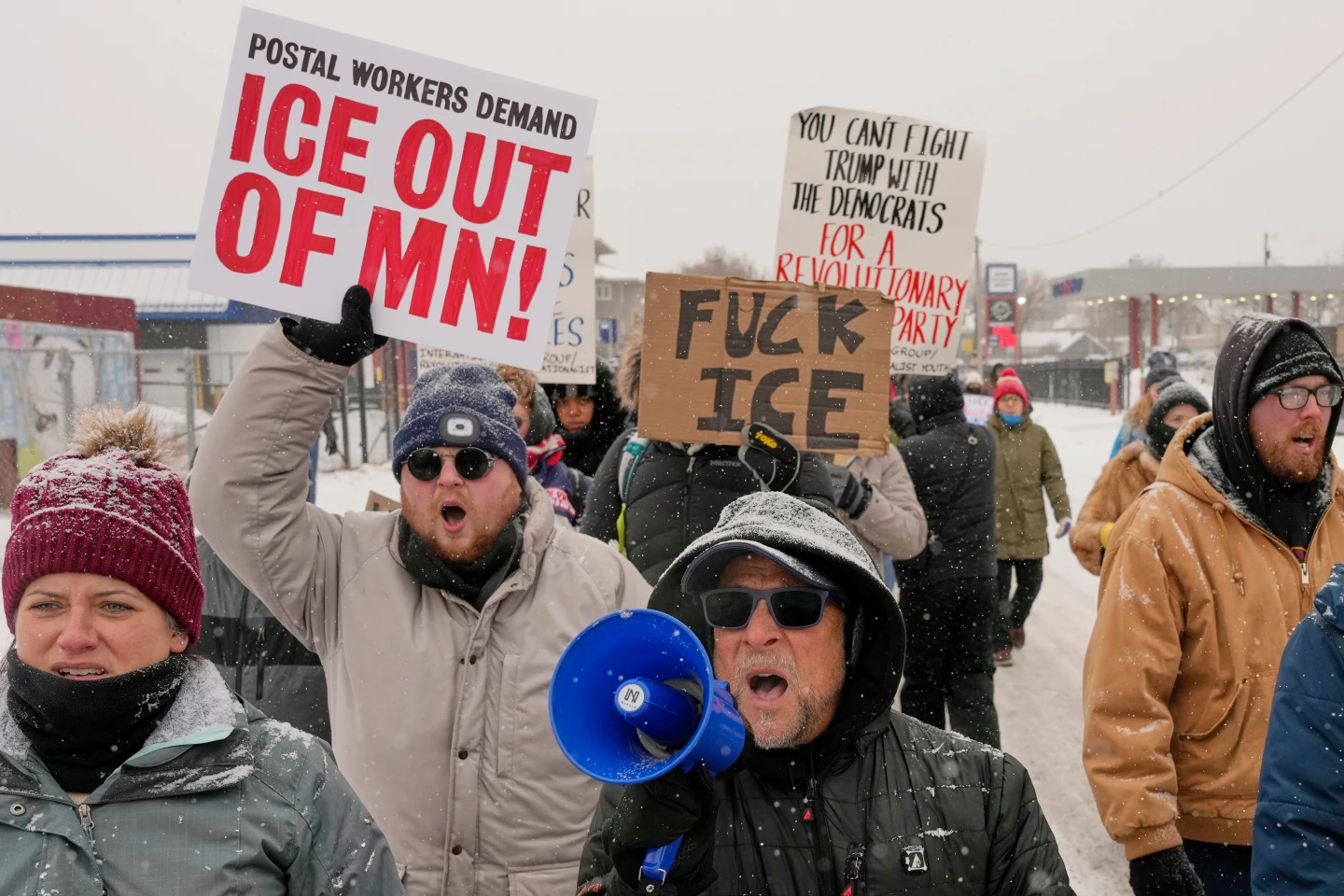
In the lead-up to the midterm elections, Democrats originally aimed to focus their campaigns on affordability and health care. However, recent violent encounters stemming from federal immigration crackdowns in Minnesota have drastically altered their strategic approach.
The tragic death of Renée Good, an American mother killed during a confrontation with immigration agents, has triggered widespread outrage and calls for accountability. Party leaders are now caught between various factions advocating for differing solutions on how to handle immigration reform and enforcement.
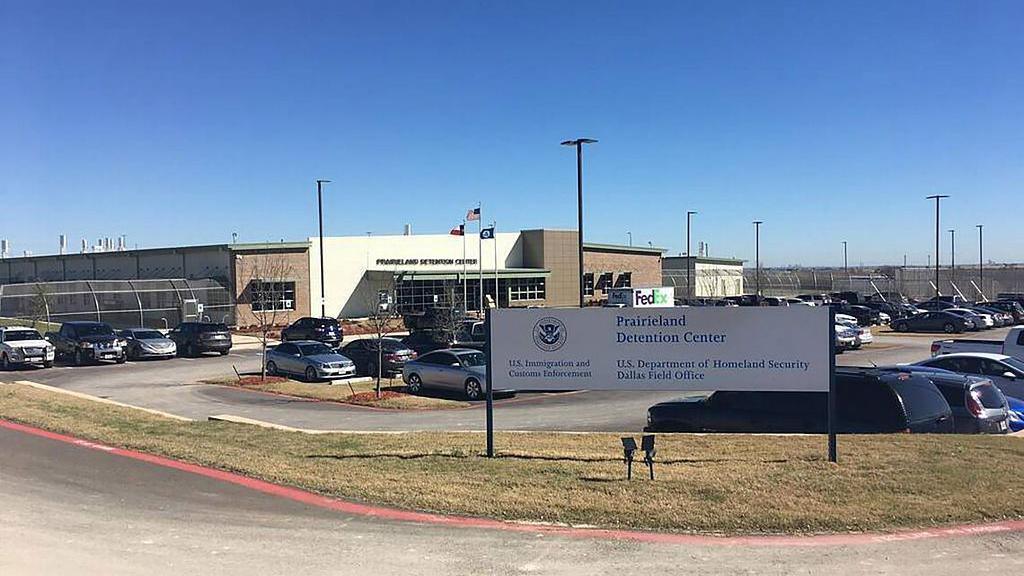
Some party members are urging to abolish the Immigration and Customs Enforcement (ICE) agency altogether, a stance that resonates with critics of Trump's earlier 'defund the police' rhetoric. Meanwhile, others favor legislative reforms to address the alleged misconduct of federal agents, although these proposals face skepticism from activists who deem them insufficient.
Chuck Rocha, a strategist for the Democratic party, acknowledged the lack of consensus on how to best respond, stating, We’re Democrats. I’m sure we’re going to have 50 different ideas and 50 different ways to say it. This disunity could jeopardize the Democrats' chances of taking back control of Congress and various statehouses.
While some Democrats aim to shift the conversation back toward traditional focal points like health care, others like Rep. Alexandria Ocasio-Cortez insist on linking health care cuts to funding for ICE operations. This strategy may not play well, as polling shows a significant number of voters trust Republicans more on immigration.
In an attempt to regain public favor, Democrats are being pressured to advocate for more humane immigration policies that respect civil rights while maintaining border security, a challenge that hasn’t been easy for them historically. To add to their complications, the current administration under President Biden faces declining approval ratings on immigration, with a noticeable 11-point drop in approval since March.
As tensions continue to heighten in response to the Minnesota situation, the internal debate within the Democratic party reflects a broader struggle over how to address immigration—a critical issue that will remain pivotal to their strategy leading up to the elections. Overall, the party's response, or lack thereof, will significantly impact their credibility amongst voters dissatisfied with both parties' immigration policies.