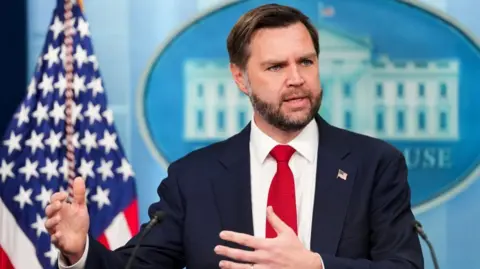
Vice‑President JD Vance defended the U.S.–Iran memorandum of understanding at a White House press briefing, asserting the agreement was a crucial first step toward curbing Iran’s nuclear ambitions. He brushed aside a question about whether President Donald Trump had positioned him as the “fall‑guy” of the deal, replying that Trump’s suggestion was a joke.
During the week, Vance repeatedly highlighted potential benefits of the interim deal, including the possibility of a $300 billion reconstruction fund for Iran if it complied with U.S. expectations, and the immediate advantage of falling gasoline prices for Americans.
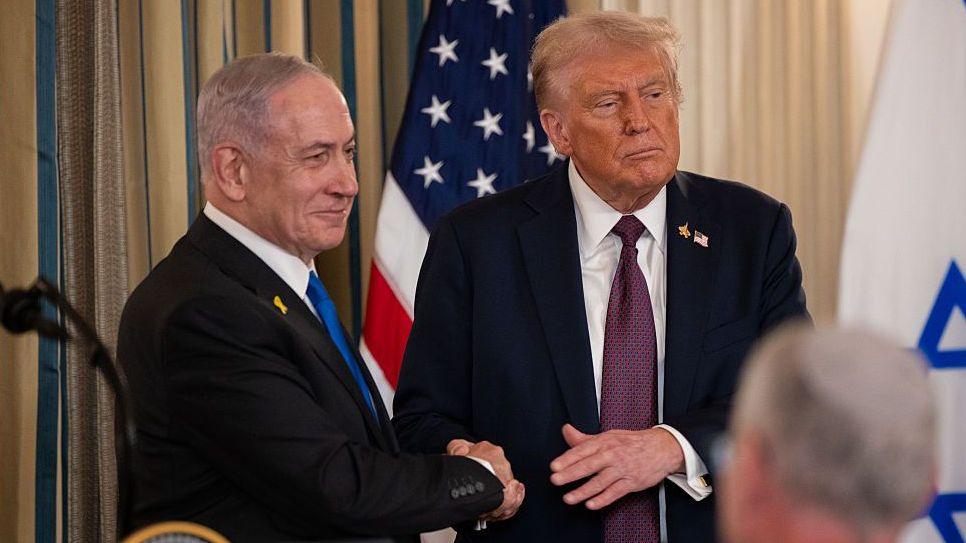
Trump’s own engagement with the affair was uneven: he signed a paper copy of the agreement on camera during a dinner with French President Emmanuel Macron, yet later denounced a separate signing in Geneva and dismissed the memorandum as unimportant. His public jokes about blaming Vance for a future collapse of the accord fed Republican speculation that the deal was being used as a political shield.
Republican senators, including Bill Cassidy and Roger Wicker, criticised the deal as a compromise that left Iran’s nuclear ambitions open, while other GOP figures, such as Marco Rubio, have kept a low profile on the war. Some conservatives view Vance’s involvement as a liability, arguing that the Vice‑President will be held accountable for Trump‑style diplomacy.
At the same time, Vance has been promoting his new book detailing his Catholic conversion and recounting his faith journey, which could influence his perceived moral authority and future presidential bid for 2028.
The administration has announced that Iran agreed to the memorandum, but detailed clauses remain unpublished, sparking confusion. Vance’s efforts to clarify the text included statements that Iran could receive a reconstruction fund if it honored the agreement, while Trump later warned that the U.S. was not contributing any money.
If the agreement reaches a final settlement and successfully limits Iran’s nuclear program, Vance would have played a pivotal role in achieving a long‑desired U.S. goal; however, the next 60 days of technical negotiations and the political appetite for a lagging deal will decide if the interim initials translate into substantive policy.
As Vance continues to advocate for the deal amidst Trump’s ongoing absence and intra‑party pressure, the extent to which he can navigate these competing narratives remains to be seen.