ICC’s chief prosecutor ousted after misconduct findings
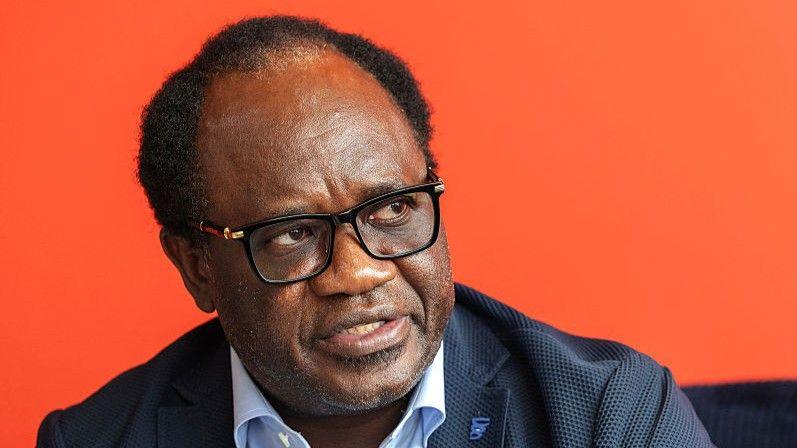
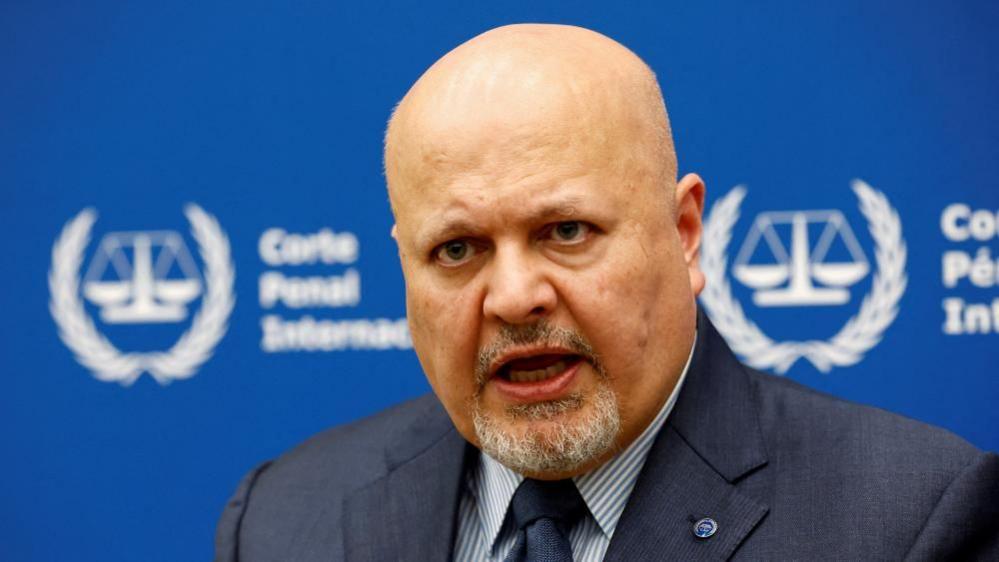
In a decisive move, the International Criminal Court (ICC) voted to remove Karim Khan, its third chief prosecutor, from office. The decision, reached with 82 votes in favour, follows a comprehensive investigation by the court’s Independent Oversight Mechanism that found Khan had entered a sexual relationship with a junior staff member and then attempted to stifle her complaint. Khan, a prominent British lawyer, has consistently denied the allegations.
The investigation, which began after a third‑party allegation surfaced in May 2024, was initially opened by the IOM but was closed when the alleged victim declined participation. A second referral to the United Nations Office of Internal Oversight Services (OIOS) in October 2024 opened a broader inquiry that compiled more than 5,000 pages of evidence and testimony. An 18‑judge panel reviewed the OIOS findings and concluded that Khan’s conduct amounted to serious misconduct.
Khan’s suspension was announced in June 2025 and he is currently on voluntary leave while the inquiry proceeds. He remains barred from practising law in the United Kingdom and is prohibited from entering the United States, a consequence of sanctions imposed by the Trump administration over the ICC’s investigations into alleged Israeli war crimes in Gaza. Consequently, he could not attend the vote, which took place in the United Nations headquarters in New York.
The removal occurs amid a wider assault on the ICC’s legitimacy. The United States, along with Russia and Israel, are not members of the court and have pursued a “whole‑of‑government” campaign to dismantle the ICC, citing sovereignty concerns and threatening visa bans, asset freezes, and diplomatic pressure on allies. These actions coincide with heightened global political tensions, particularly regarding the court’s jurisdiction over crimes committed by nationals of non‑member states on ICC member territory.
While the dismissal resolves the immediate misconduct issue, it raises questions about the ICC’s future governance and capacity to hold powerful actors accountable. Supporters fear that the tribunal will emerge weakened, potentially compromising its role as the world’s only permanent war‑crimes court. The case serves as a stark reminder that institutional integrity must be protected even as external political forces seek to undermine it.
Related topics: The Hague, Netherlands, International Criminal Court