
In brief
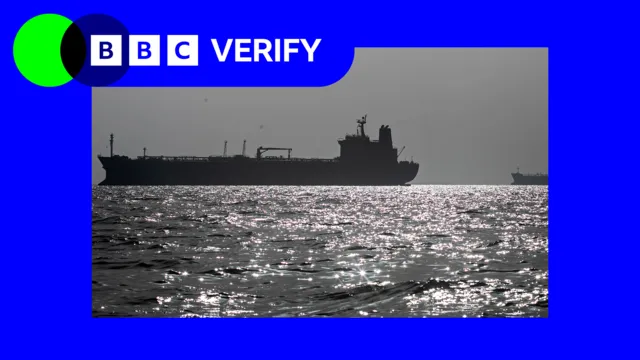
Three tankers – Sonia I, Hero II and Diona – have crossed the U.S. blockade line in the Gulf of Oman, carrying 3.8 million barrels of crude. The move comes after President Trump’s claim of immediate removal, which U.S. forces later denied until a deal is signed. Experts view the crossing as a sign of confidence that the blockade will be lifted soon, but warn that enforcement may still occur. The renewed activity follows weeks of inactivity and is seen as the first oil export for Iran in roughly two months.
Iran’s three tankers push past U.S. blockade
Three Iran-flagged oil tankers – Sonia I, Hero II and Diona – crossed the United States’ blockade line in the Gulf of Oman, according to ship-tracking services. The vessels, all owned by the National Iranian Tanker Company, carried a total of 3.8 million barrels of crude and are expected to arrive in the Arabian Sea at the start of a new commerce corridor that has drawn criticism from Washington.
The U.S. imposed the blockade in 2021 to restrict Iranian oil exports after Tehran’s nuclear program stirs concerns in Washington. President Donald Trump’s March announcement that the blockade would be removed “immediately” was later contradicted by U.S. Navy officials who said it would remain in force until a deal is signed – a treaty that is set to conclude in Switzerland on Friday.
The maritime-intelligence firm Windward said the movement is the first time the three ships have broadcast their positions since March. “It signals confidence that the blockade is over, even if the U.S. insists it will stay in place,” a Windward analyst explained.
While the three vessels are the most high-profile, other tankers such as Stream and Sinopa have begun traveling through the Strait of Malacca, a route that sees dozens of Iranian-linked ships re-enter the global shipping market after weeks of inactivity.
The U.S. blockade currently limits Iran’s crude export to 260,000 barrels per day, the lowest in six years. If the ships arrive at their destinations, they would represent the country’s first oil shipments in roughly two months. Analysts warn that the move could prompt further U.S. enforcement actions, including interception of vessels off the Gulf six hundred miles from shore.
Both sides now await confirmation of a deal, and observers say the reopening of Iranian shipping routes could have a ripple effect on global energy markets and diplomatic relations in the region.

