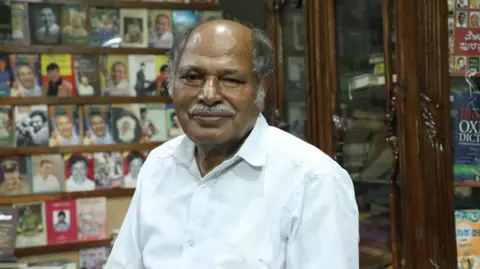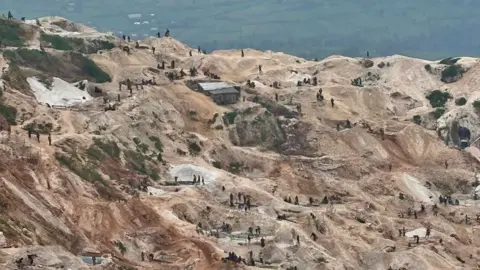
In the heart of India's central Madhya Pradesh lies Panna, a district marked by poverty and economic challenges but renowned for its diamond reserves. It is here that Prakash Sharma, a 67-year-old miner, has dedicated 50 years of his life to the relentless pursuit of diamonds—a passion shared by many in this region. Despite Panna's rundown mines and dwindling reserves due to over-mining, hopeful miners like Sharma toil daily, driven by the promise of potential fortune.
While most mining operations are government-managed, small plots are leased annually to individuals, offering them a chance to explore. In Panna, the mechanized Majhgawan mine stands as India's sole organized source of diamonds. However, for many residents, diamond hunting is a family legacy passed down through generations. The likes of Shyamlal Jatav and Raja Gound epitomize this tradition, with tales of major finds like Gound's 19.22-carat diamond energizing the mining community.
India's historical significance in the diamond industry traces back more than 3,000 years, with Panna maintaining its status as a diamond hub even after finds in Brazil and South Africa altered the global landscape. Despite the challenges—markedly illegal diamond trade motivated by quicker payouts and tax evasion—locals persist in mining. Government efforts to prevent illegal sales face difficulties due to the discreet nature of operations and the allure of immediate monetary gains.
The decline in diamonds submitted for official auctions, coupled with governmental restrictions on mining in protected areas like forests, add layers of complexity for diamond hunters. Yet, stories of success and transformation, such as Prakash Majumdar's post-lockdown fortune, inspire continued dedication.
For the people of Panna, digging for diamonds remains more than an economic activity; it is a deep-rooted cultural pursuit. Amidst adversity, their dream thrives in the hope of altering destinies through uncovering these hidden gems.
While most mining operations are government-managed, small plots are leased annually to individuals, offering them a chance to explore. In Panna, the mechanized Majhgawan mine stands as India's sole organized source of diamonds. However, for many residents, diamond hunting is a family legacy passed down through generations. The likes of Shyamlal Jatav and Raja Gound epitomize this tradition, with tales of major finds like Gound's 19.22-carat diamond energizing the mining community.
India's historical significance in the diamond industry traces back more than 3,000 years, with Panna maintaining its status as a diamond hub even after finds in Brazil and South Africa altered the global landscape. Despite the challenges—markedly illegal diamond trade motivated by quicker payouts and tax evasion—locals persist in mining. Government efforts to prevent illegal sales face difficulties due to the discreet nature of operations and the allure of immediate monetary gains.
The decline in diamonds submitted for official auctions, coupled with governmental restrictions on mining in protected areas like forests, add layers of complexity for diamond hunters. Yet, stories of success and transformation, such as Prakash Majumdar's post-lockdown fortune, inspire continued dedication.
For the people of Panna, digging for diamonds remains more than an economic activity; it is a deep-rooted cultural pursuit. Amidst adversity, their dream thrives in the hope of altering destinies through uncovering these hidden gems.