Kyiv Residents Rally Amid Nightly Missile Strikes, Yet Life Persists
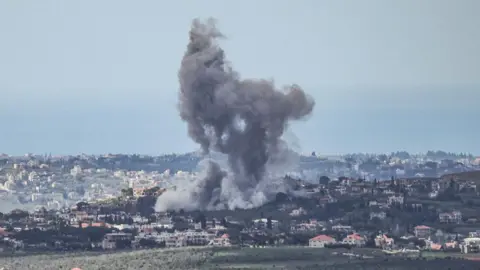
The capital of Ukraine, Kyiv, was rattled once more after a recent cruise‑missile strike. Residents had been forewarned weeks earlier when Russia hinted at intensifying attacks on the city.
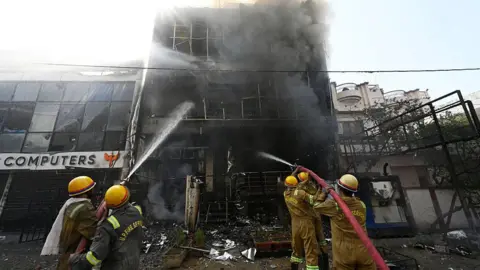
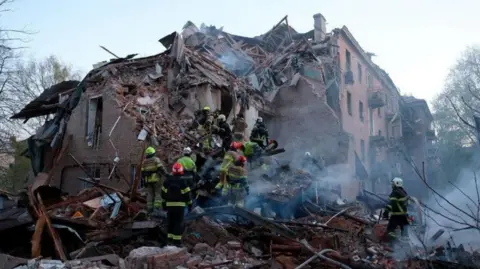
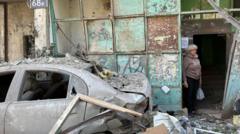
The sheer scale of the onset of the night was palpable: a record‑high 41,000 people, including nearly 4,500 children, sought refuge in the city’s underground metro system for the duration of the bombardment. In spite of the sustained attacks, the city’s inhabitants endured and later emerged to find their neighbourhoods in ruins—a mosaic of shattered glass, charred cars, and darkened streets. In Vynohradar, a vibrant suburb of Kyiv, a resident named Anna evinced profound grief after her car was turned to twisted metal by the blast. “They’ll fix the building, but not our souls,” she said, to the de‑briefings of field psychologists and volunteers.
The damage was spread across several cities: Kyiv sustained at least six fatalities that night, while Dnipro suffered sixteen deaths and a dry‑run of two residential towers. Kharkiv, another northern eastern city, reported ten injuries and the loss of a child, as its energy facilities and civilian infrastructure were also struck. Figures from Kyiv and the surrounding region point to more than 90 injured in total, underscoring the extensive toll on civilians.
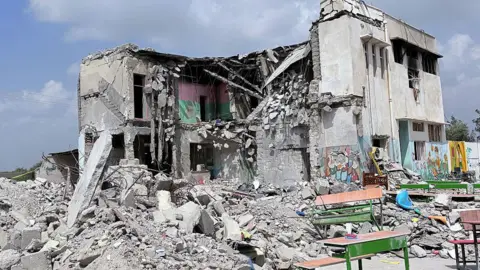
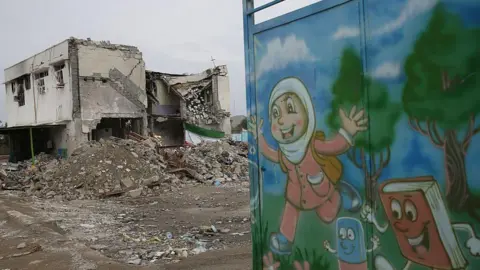
Once the air was clear, the city’s daily rhythm resumed. Rescuers and volunteers worked to check residents’ wellbeing and move debris, while municipal workers cleared rubble from a children’s activity centre; amongst the shards, patched purple butterflies remained on the windows. Children still played on swings over a block from the epicentre, and road crews laid fresh tarmac while buses passed as if no assault had happened.
This resilience speaks to the broader spirit of Kyiv: even when siege and destruction persist, the city reverts to its routine, a silent yet resolute defiance in the face of conflict. This report aims to present a comprehensive view of the current events while respecting the breadth of human stories and the ongoing ramifications across the country.