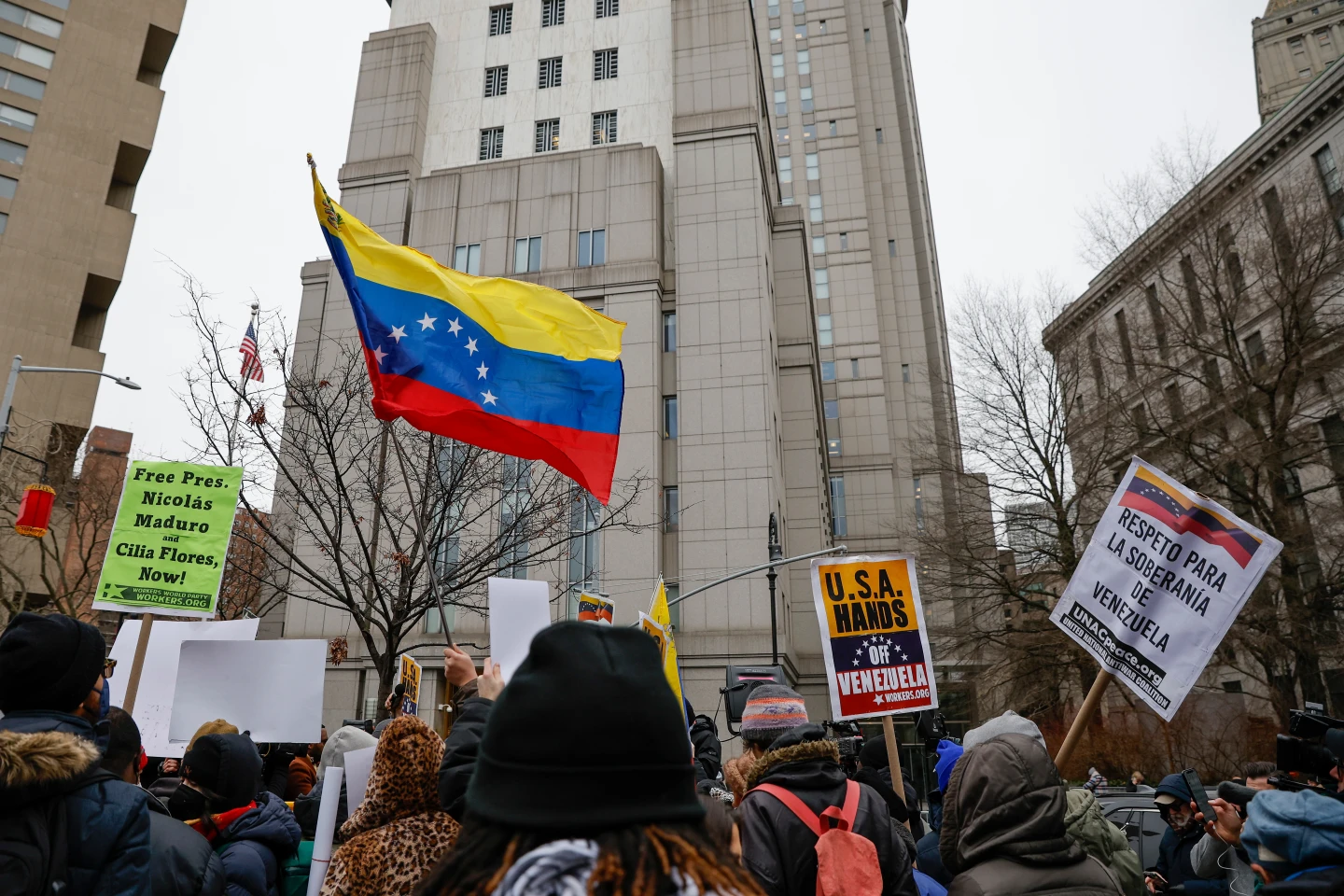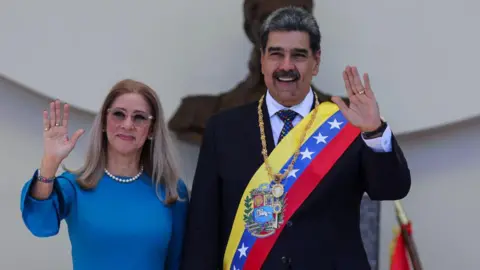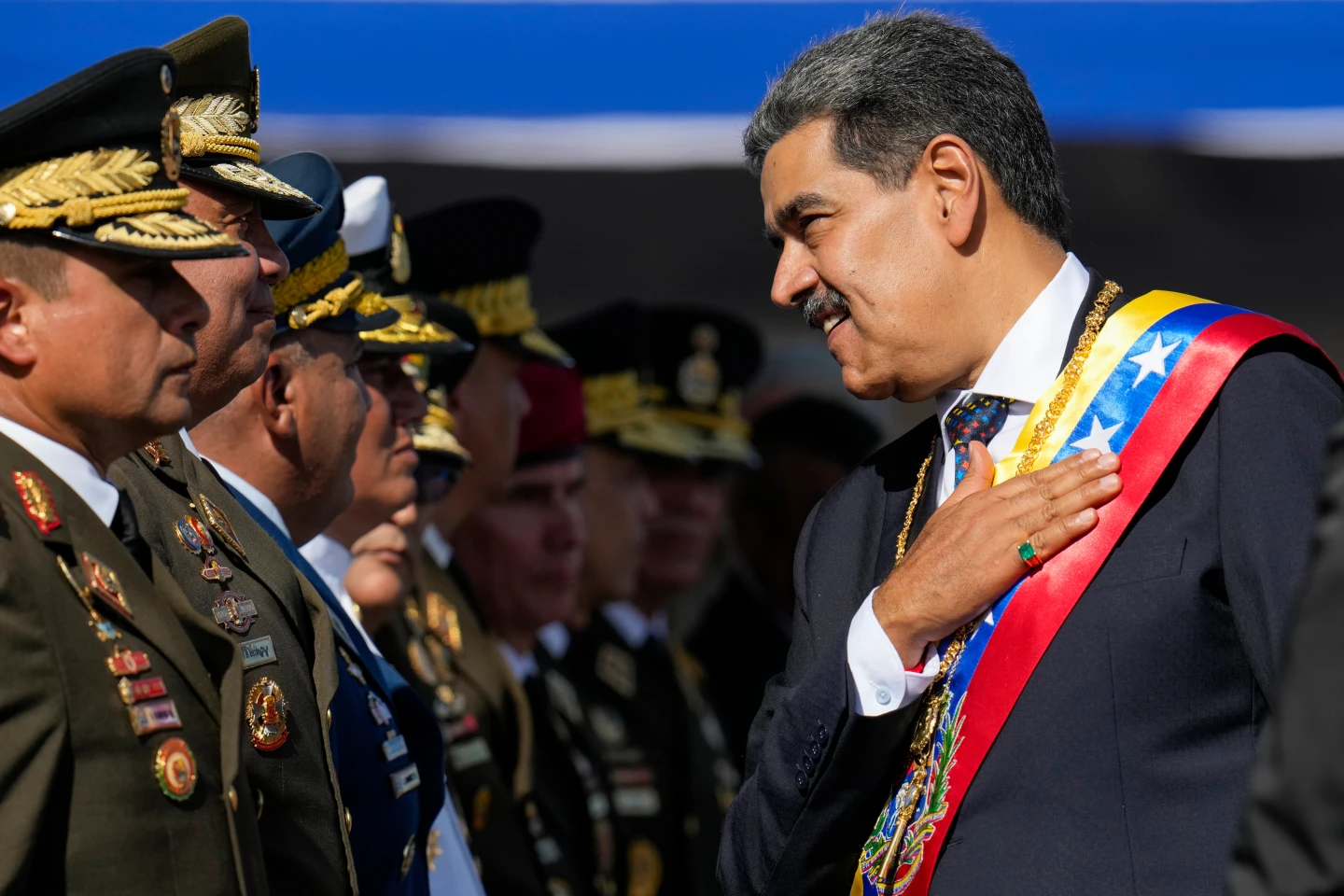
On Monday morning, a handcuffed, jumpsuit-clad Nicolás Maduro stepped off a military helicopter in New York City, flanked by armed federal agents. The Venezuelan president had spent the night in a notorious federal jail in Brooklyn, before authorities transported him to a Manhattan courthouse to face criminal charges.
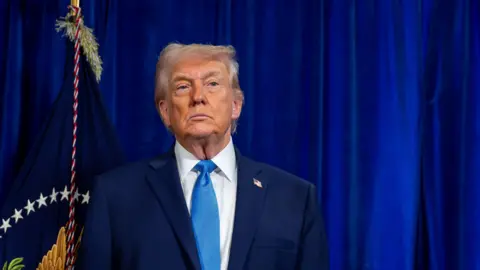
Attorney General Pam Bondi has stated that Maduro was brought to the U.S. to 'face justice'. However, international law experts question the legality of the Trump administration's actions, arguing the U.S. may have violated statutes governing the use of force. Domestically, the U.S.'s actions fall into a legal grey area, yet may still result in Maduro standing trial regardless of how he arrived.
The U.S. accuses Maduro of 'narco-terrorism' and facilitating the transport of substantial amounts of cocaine to the United States. Bondi emphasized that all actions taken were within legal bounds, asserting compliance with U.S. law.
During the proceedings, Maduro denied allegations of running an illegal drug operation, entering a plea of not guilty. Legal experts note that the U.S.'s approach in handling this case raises critical questions about international law and sovereignty.
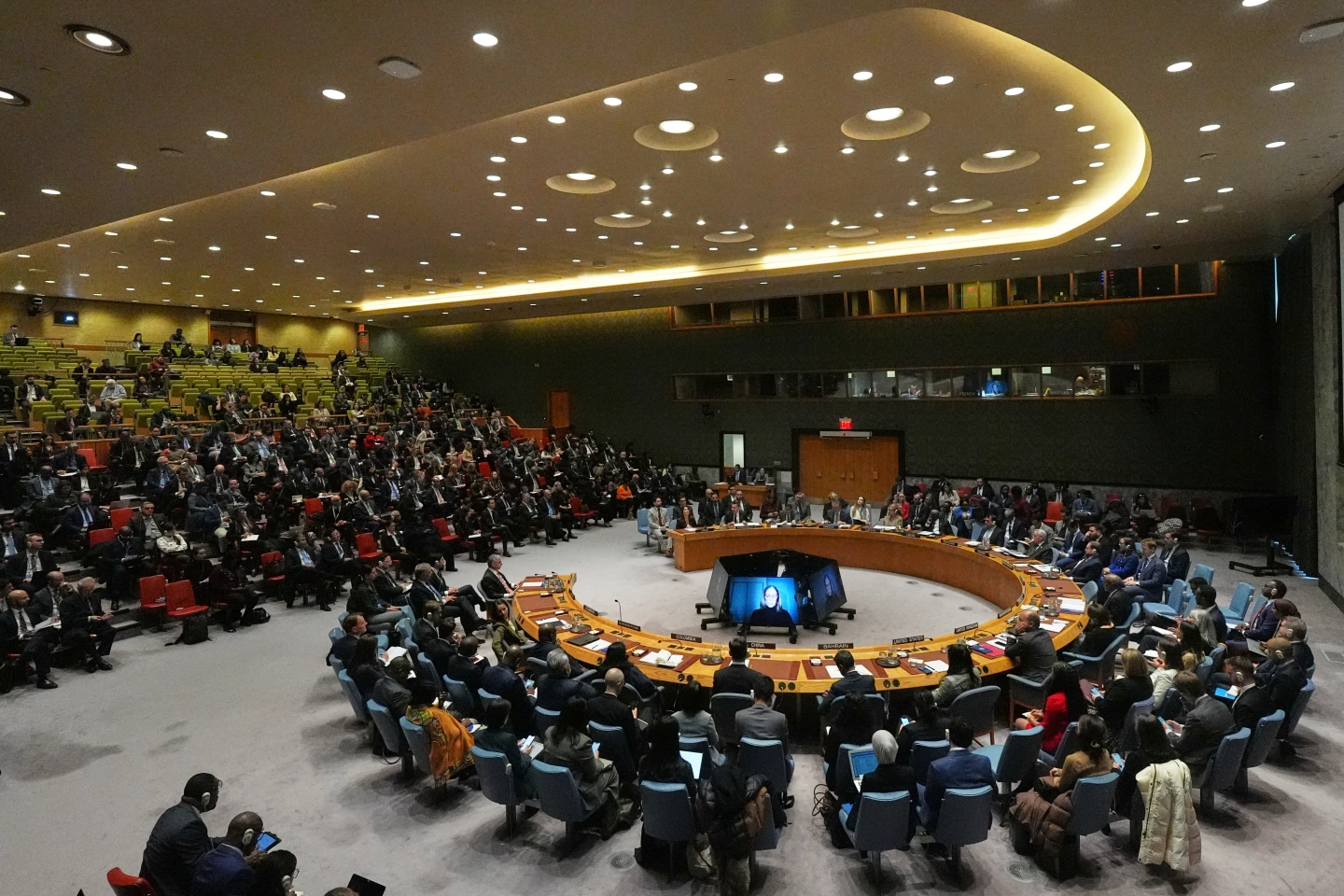
Critics, including law professors, have labeled the U.S. capture of Maduro as 'completely illegal' under international law, emphasizing that such military interventions require a UN mandate or self-defense, neither of which applied here. The United Nations Charter explicitly prohibits member states from using force against another sovereign state without backing from the international community.
The Trump administration characterizes the operation as part of law enforcement efforts rather than a military action. However, the legality of unilaterally detaining a foreign president raises serious concerns under international law, and some argue that the protocol for such actions should be through extradition processes.
Maduros's legal team is likely to challenge the legality of the capture as a prime defense strategy. While the legal discourse continues, it is clear that this case is setting precedents that will have lasting implications for U.S. foreign policy and international law compliance.