In brief
Communities across the U.S. are rising up against the surge in data center proposals that threaten their neighborhoods, citing environmental and quality of life concerns. Many municipalities are grappling with the zoning implications of these energy-intensive developments amid increasing pushback from residents. With concerns ranging from rising electricity bills to environmental degradation, tech giants face unprecedented challenges in securing community support for their ambitious projects.
SPRING CITY, Pa. (AP) — Tech companies and developers looking to plunge billions of dollars into ever-bigger data centers to power artificial intelligence and cloud computing are increasingly losing fights in communities where people don’t want to live next to them, or even near them.
Communities across the United States are reading about — and learning from — each other’s battles against data center proposals that are multiplying in number and size to meet steep demand as developers branch out in search of faster connections to power sources.
In many cases, municipal boards are trying to figure out whether energy- and water-hungry data centers fit into their zoning framework, with some entertaining waivers or attempting to write new ordinances, while others operate without any zoning laws.
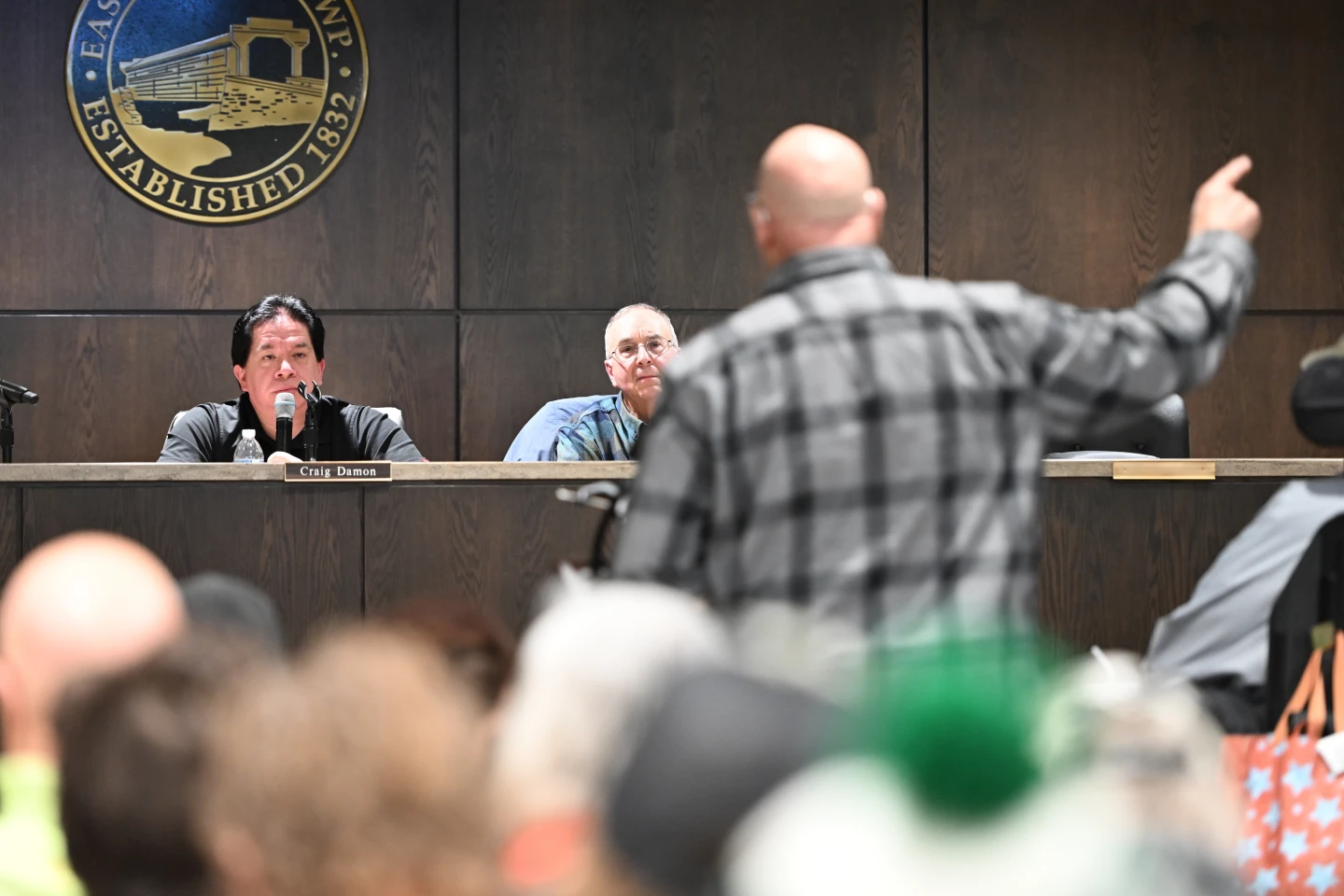
But as more people learn of data center projects arriving in their neighborhoods, local government meetings that once saw few attendees are now packed with residents voicing their objections to such developments. “Would you want this built in your backyard?” Larry Shank questioned at a recent meeting in Pennsylvania’s East Vincent Township.
Opposition Spreads as Data Center Proposals Multiply
A growing number of data center proposals are being rejected due to widespread local dissent, raising alarms within the tech sector and associated industries. Andy Cvengros, from the commercial real estate firm JLL, noted rising community opposition, with some opponents actively campaigning against proposals.
Data Center Watch, which tracks data center developments, reported a significant uptick in community and political opposition, noting that 20 projects valued at $98 billion faced delays or rejections due to local pushback in just one quarter.
In Indiana, for example, activist Bryce Gustafson highlighted that over a dozen projects have lost their rezoning petitions, illustrating a strong local response against such developments.
Shared Concerns Across Communities
Residents are increasingly concerned about the financial, environmental, and health impacts of data centers. Many communities are anxious over rising electric bills and the potential loss of green spaces and farmland. Additionally, fears regarding quality of life, property values, and water supply availability due to data centers' energy demands are prominent.
Major tech companies like Microsoft, Google, Amazon, and Facebook are closely monitoring this community backlash. Microsoft acknowledged the adverse effects of local opposition on its operations, highlighting the challenges developers face even when backing exists at higher government levels.
Local Politics and Community Engagement
Winning over local officials does not guarantee resident support. An example includes a project in Matthews, North Carolina, which was withdrawn after overwhelming community opposition, despite promises of environmental features. The mayor emphasized that supporting such a project would likely cost officials their positions.
In another case, a massive data center project in Hermantown, Minnesota, faced scrutiny over transparency, with residents expressing outrage over the lack of public engagement leading up to the proposal.
The industry acknowledges the need for improved community relations, with advocates pushing developers to initiate public conversations, share potential benefits, and commit to sustainable practices to mitigate local concerns.