In brief
Luxury travel is experiencing a significant boom, particularly in Asia, where the number of ultra-high-net-worth individuals has sharply increased. Aircraft manufacturers, including Gulfstream and Dassault Aviation, are responding to this demand by offering premium private jets designed for comfort and efficiency. While the growth in private jet use points to an expanding affluent market, it also raises environmental concerns about the carbon footprint of such luxury travel. The industry faces scrutiny regarding its sustainability practices even as it prioritizes advanced technology to enhance passenger experience.
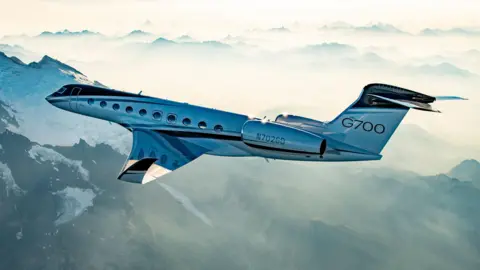
The aviation sector is witnessing a surge in demand for luxury travel, particularly in Asia, where private jet manufacturers are racing to cater to an increasingly affluent market. The latest showcase of these aircraft could be seen at the Singapore Airshow, Asia's largest aviation and defense trade fair, where Gulfstream's G700 model attracted long queues from prospective buyers.According to reports, the number of global private jet flights reached approximately 3.7 million in 2025, marking a 5% increase from 2024 and a 35% rise since before the pandemic, largely fueled by a 70% growth in ultra-high-net-worth individuals defined as those worth over $30 million. This trend signals a strategic pivot by manufacturers focusing on a smaller but wealthier clientele as commercial airlines continue to struggle with low-profit margins.Inside the latest models, travelers are greeted with interiors resembling luxurious living spaces featuring panoramic windows, high-end materials like leather, and state-of-the-art amenities, indicating a shift in how private air travel is perceived. While jet makers emphasize comfort, efficiency is often the focus for many clients. Gulfstream's head of sales noted that larger corporations require the flexibility to operate on a global scale more than ever.Manufacturers like Dassault Aviation also highlight advancements derived from military technology, claiming benefits in operational efficiency and comfort. For frequent flyers, private jets can sometimes offer a more cost-effective solution compared to purchasing numerous first-class tickets, emphasizing the growing practicality behind private air travel.Despite this rising market, environmental concerns remain a significant issue, with critics arguing that private jets contribute substantially to carbon emissions. Manufacturers are responding by promoting their use of sustainable aviation fuel and more fuel-efficient aircraft designs, but industry-wide challenges exist in sourcing sufficient sustainable fuel due to limited production and higher costs.The growing demand for luxury air travel underscores broader economic trends in Asia, particularly in regions like Vietnam and Southeast Asia where private jets can efficiently reach destinations underserved by commercial airlines. However, the reality remains that the private aviation market in Asia is still developing and accounts for a far lower percentage of the global business aviation market compared to the United States.As the luxury travel phenomenon continues to grow, both private jet manufacturers and commercial airlines, such as Taiwan's Starlux, are adapting by enhancing their offerings to cater to wealthier passengers, showcasing improved cabin experiences and amenities. With the super-rich population on the rise, the demand for high-end travel shows no signs of abating.