Venezuelan President Nicolás Maduro stated on Thursday that he was open to negotiations with the United States regarding drug trafficking and oil. This comes amid increasing pressure on his government and military actions by the US against alleged drug vessels operating in the region.
In a broadcast on Venezuelan state television, Maduro affirmed his willingness to discuss these matters at any time and place the US prefers.
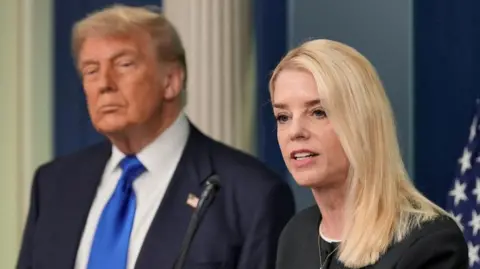
While addressing inquiries about a statement made by President Trump concerning US military strikes against a docking facility in Venezuela, he was noncommittal, hinting that discussions could occur in the future.
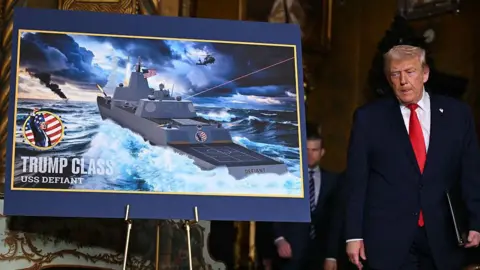
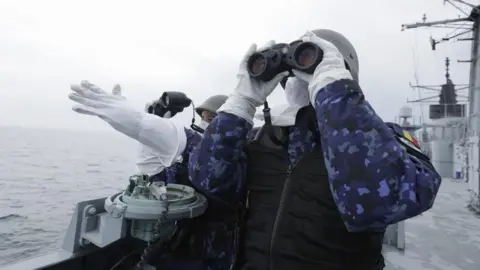
For the past three months, US forces have targeted vessels suspected of narcotics smuggling through Caribbean and eastern Pacific waters, resulting in over 30 attacks that have reportedly killed more than 110 individuals since the campaign's inception.
The latest operations include aerial strikes that target drug trafficking routes, with Trump recently amplifying the rhetoric by offering a substantial reward for information leading to Maduro's capture and designating his government as a Foreign Terrorist Organization (FTO).
Additionally, Maduro has contested US claims of his administration’s involvement in drug trafficking and migration, attributing these allegations to attempts to destabilize his government and seize Venezuela’s oil reserves.
While critics point out Venezuela's limited role in global drug trafficking, mostly functioning as a transit point from Colombia - a leading cocaine producer – the geopolitical landscape complicates the issue considerably. Close to eight million Venezuelans have fled the country since 2013, challenging the borders into the US due to the ongoing economic crisis and government repression.
As the US continues to tighten its grip on Venezuelan oil shipments under sanction, this proposed willingness from Maduro for dialogue brings forth critical implications for both countries' futures.