Migrant Workers Weigh Threats Against Opportunities Amid Iran War
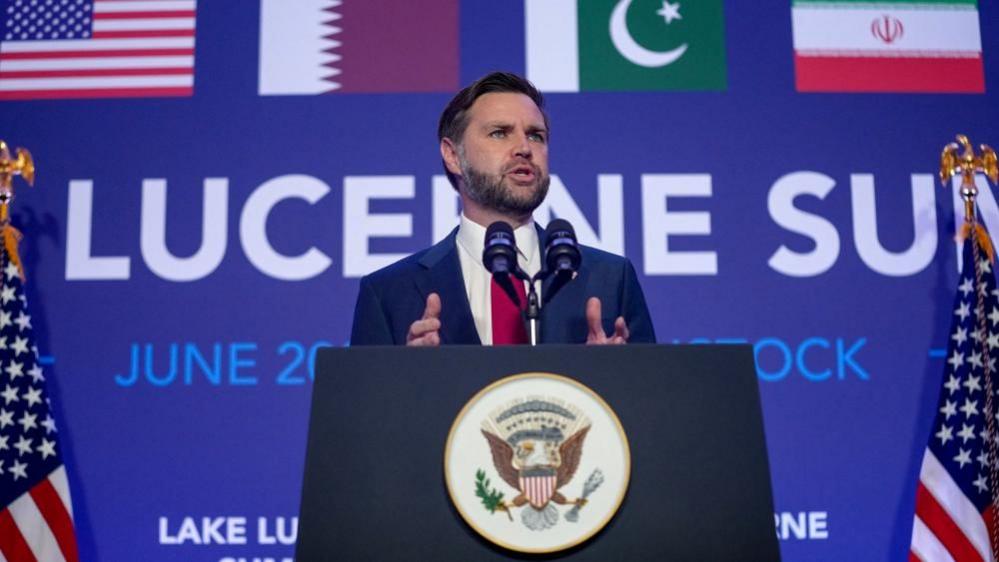
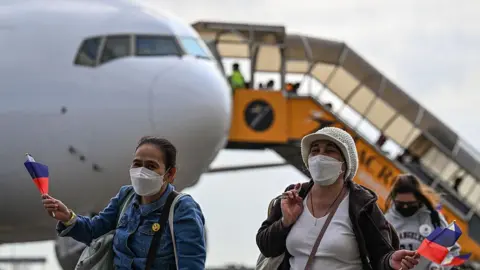
As hostilities escalate in the Gulf due to the US and Israel's conflict with Iran, migrant workers like Norma Tactacon find themselves caught in a dangerous predicament. The 49-year-old domestic worker from the Philippines faces daily anxieties while in Qatar, praying for safety and hoping to return to her family.
Every time I see images of missiles, I get scared. I need to survive for my family, Tactacon said, revealing the fears shared by many migrant workers in the region.
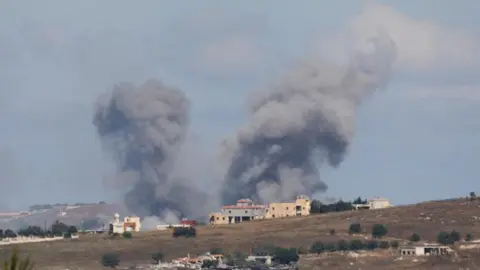
The Gulf states, once considered stable destinations for millions of expatriates from South Asia, have become focal points of danger due to their association with American military operations. As these workers are increasingly targeted in conflicts, their lives and livelihoods are becoming increasingly unstable. While some contemplate returning home, leaving a job that pays better than any opportunities available back home is a tough choice.
Despite the risks, many workers remain because of the financial support their jobs provide. For example, the minimum wage for Filipino domestic workers in the Gulf is about $500 a month, a sum that far exceeds what they could earn in their home countries, thus enabling them to send remittances to support families struggling with poverty.
As the military conflict grows, so does the death toll among migrants. Reports indicate the loss of at least 12 South Asian workers, with fatalities including Mary Ann Veolasquez, a 32-year-old caregiver in Israel injured during a missile strike. Families, like that of 29-year-old Dibas Shrestha, have also grieved the loss of loved ones who chose to remain despite escalating tensions.
As governments in South Asian countries work to repatriate their citizens, travel disruptions caused by ongoing conflicts complicate the situation. Many workers who wish to leave must navigate longer and riskier routes, heightening their uncertainty.
Yet, for some like Su Su from Myanmar, who has sought refuge in Dubai, the choice isn't so simple. After fleeing her own country's civil unrest, she values her relatively safer existence against her war-torn homeland, although the current situation causes constant worry.
As the situation develops, the precarious balance between safety and the increasing financial demands on their families will continue shaping the decisions of these migrant workers who have become vital contributors to both their host economies and their home nations.