On Wednesday, October 8, thousands of students, survivors and supporters converged on campuses and public squares across more than forty U.S. states, chanting “I am Jane Doe” to demand an end to sexual violence.
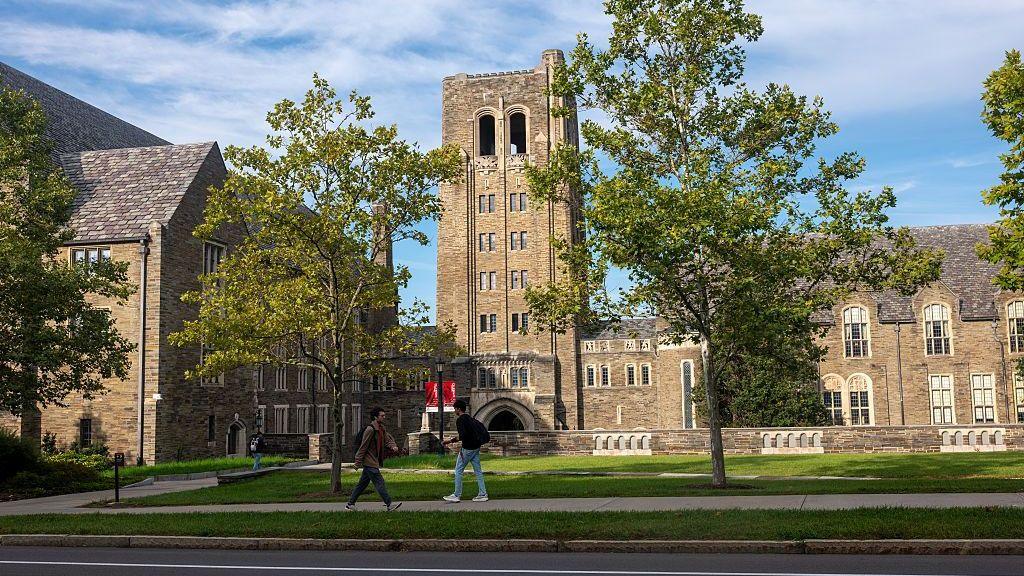
The rallies were sparked by a lawsuit filed by a woman who identified herself as “Jane Doe.” She alleges that she was drugged, forced to consume alcohol and then sexually assaulted by several members of Cornell University’s Chi Phi fraternity during a 2024 event. The plaintiff claims the university failed to conduct a timely investigation and imposed only minimal discipline on the accused.
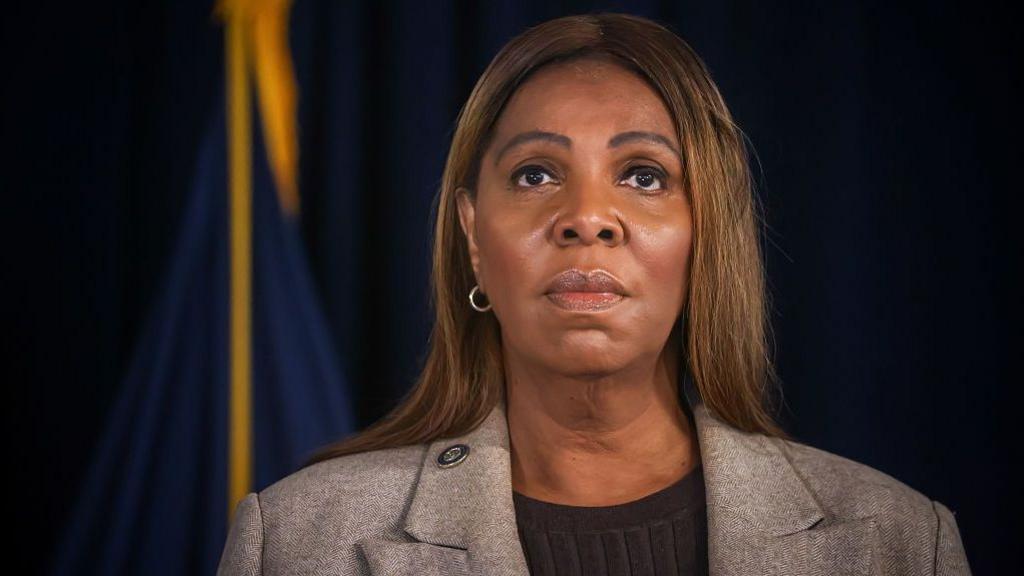
Following the filing, New York Attorney General Letitia James was appointed as a special prosecutor, reopening the criminal case and sending a message that state authorities will take a closer look at campus incidents of sexual assault.
The protests drew a wide spectrum of participants, from students and university staff to local community leaders and advocacy groups, all calling for more robust prevention programs, clearer reporting mechanisms and harsher penalties for sexual misconduct on college campuses.
While some university officials have pledged to review their policies, critics argue that the steps are insufficient and that broader reforms—such as mandatory reporting of all accused incidents and better support services for survivors—are urgently needed.
The nationwide outcry underscores a growing national conversation about campus safety, accountability and the role of state and federal law enforcement in protecting young adults.