Following a month of nationwide demonstrations, Madrid’s Puerta del Sol has become a temporary camp where students and recent graduates have erected tents to voice their frustration over soaring rents and a chronic lack of affordable homes.
One of the activists, 21‑year‑old university graduate Pierina Nicuray, said the situation is the same as always: “There is a lack of homes” and that landlords are raising prices while short‑term let platforms are tightening the supply. Fellow protester and film‑dubbing student Jorge Moreno echoed these concerns, blaming “vulture funds” and other investment bodies for buying vacant properties only to push rents higher until tenants are evicted.
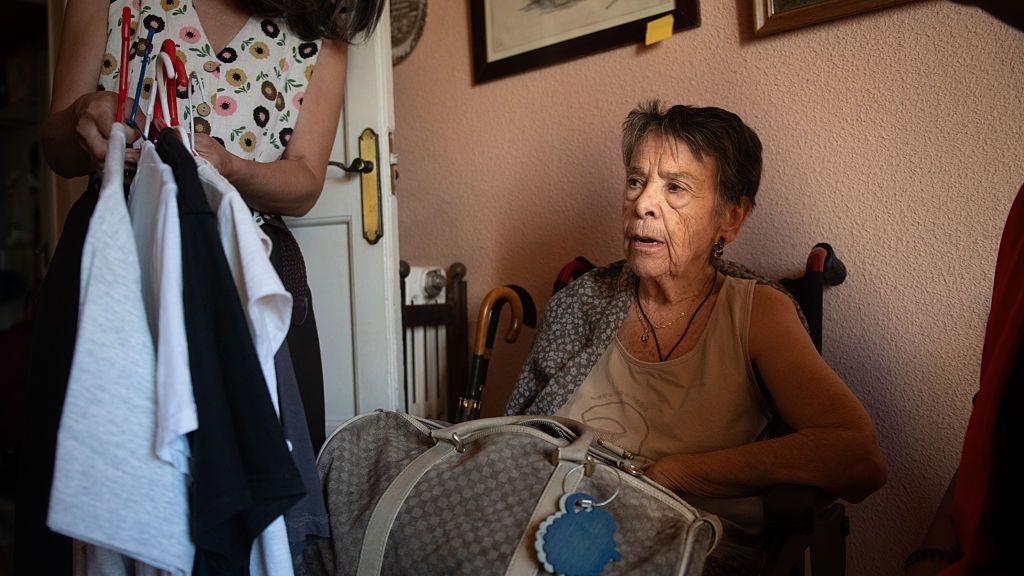
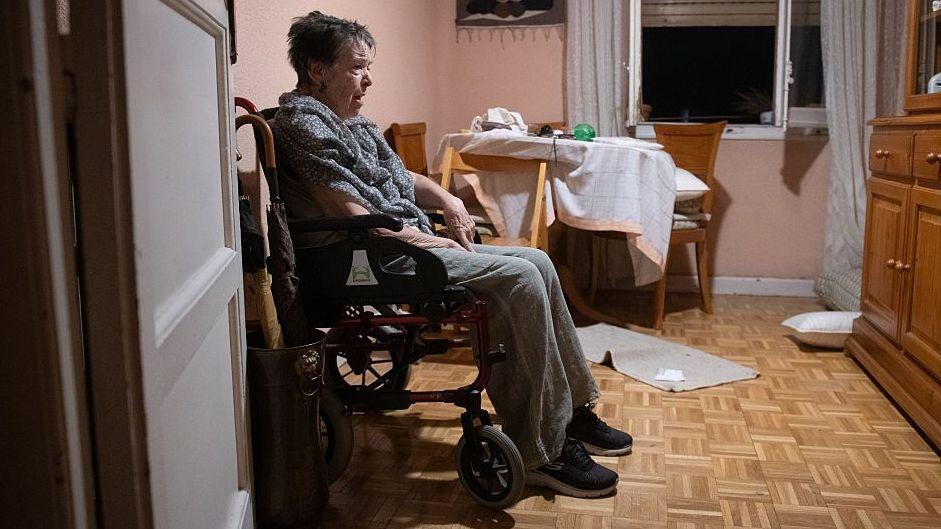
The emotional core of the protests is often illustrated by the story of 87‑year‑old Maricarmen Abascal, who was evicted when a fund that had bought the apartment demanded she leave, sharply increased her rent, and, when she could not pay, insisted she move again. After the firm reversed its decision, Abascal never returned to the house and later died in hospital, an event that galvanized public support for a national housing debate.
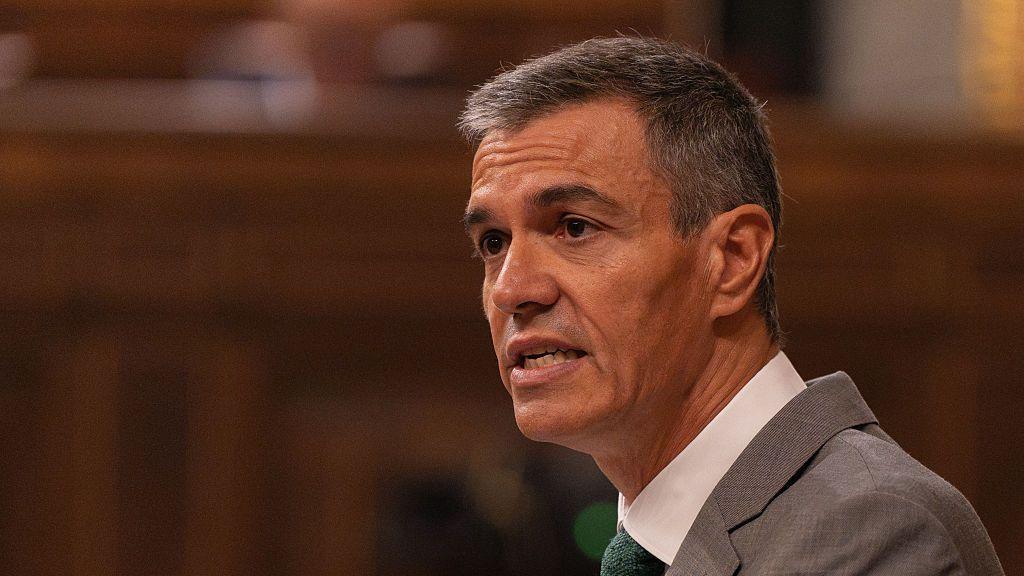
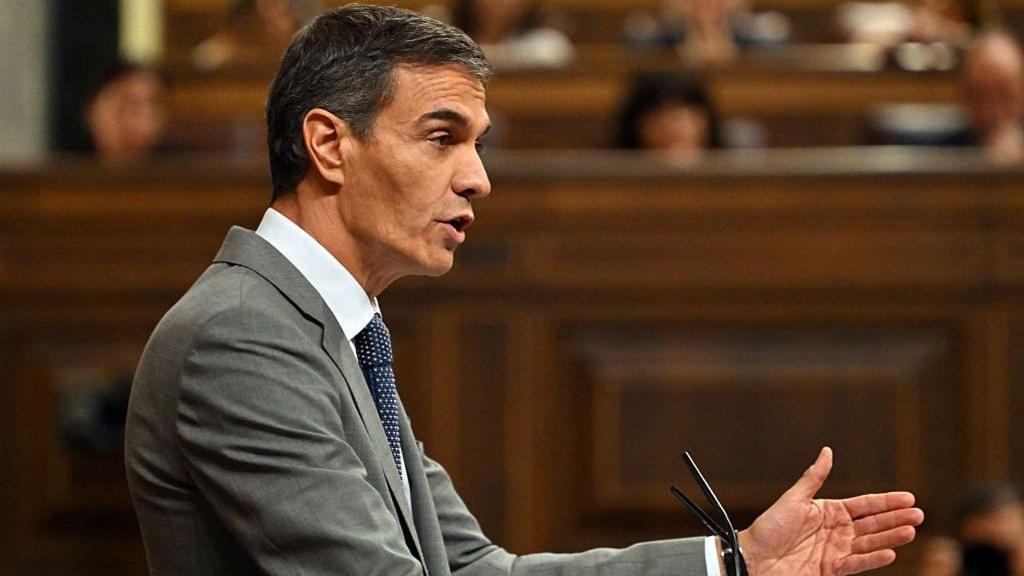
Prime Minister Pedro Sánchez has publicly criticised the housing market’s speculative aspect, officially calling for legislation that treats homes as dwellings, not commodities. His emergency housing package was rejected by the Spanish Congress, triggering a call for a snap election that could reshape the government’s priorities.
Statistical data amplifies the public’s frustration. Idealista reports an 84 percent rise in rent over the past ten years, while major cities such as Málaga and Marbella have seen increases of 113 percent and 150 percent respectively. A recent study by the Centre for Sociological Research found 72 percent of respondents favoured higher taxes on owners of multiple properties, 76 percent supported limits on short‑term accommodations, and 40 percent backed the expropriation of empty homes.
Some economists, however, point to supply constraints as the primary driver of rent inflation. Jorge Galindo, director at ESADE’s centre for economic policy, cites Bank of Spain figures that only 8 percent of rental properties are owned by companies, while the country’s housing stock shortage is estimated at 750,000 units – potentially reaching a million by 2028, according to Bank deputy governor Soledad Núñez. He argues that high construction costs, regulatory hurdles, and a post‑Crisis slump in the construction sector have stifled new building, creating a mismatch between the rising number of households and the available supply.
The debate is not merely economic. Anecdotal evidence from renters such as 72‑year‑old Carmen Pérez, a retiree who was forced to move back in with her daughter, shows that high rents are eroding individuals’ health and financial stability. Fiscal studies by El País confirm that, in real terms, Spanish workers now have five per cent less purchasing power than a decade earlier, further accentuating the affordability gap.
With the upcoming snap election looming, citizens across Spain feel pressure to demand comprehensive policy changes. The central question remains: Can the government align supply and demand, curb speculative practices, and restore the home‑as‑human‑right principle without stifling legitimate investment and economic growth? The national conversation is just beginning, and the outcome could shape Spain’s housing landscape for years to come.