Death of Maricarmen Abascal: The End of a Housing‑Protest Episode
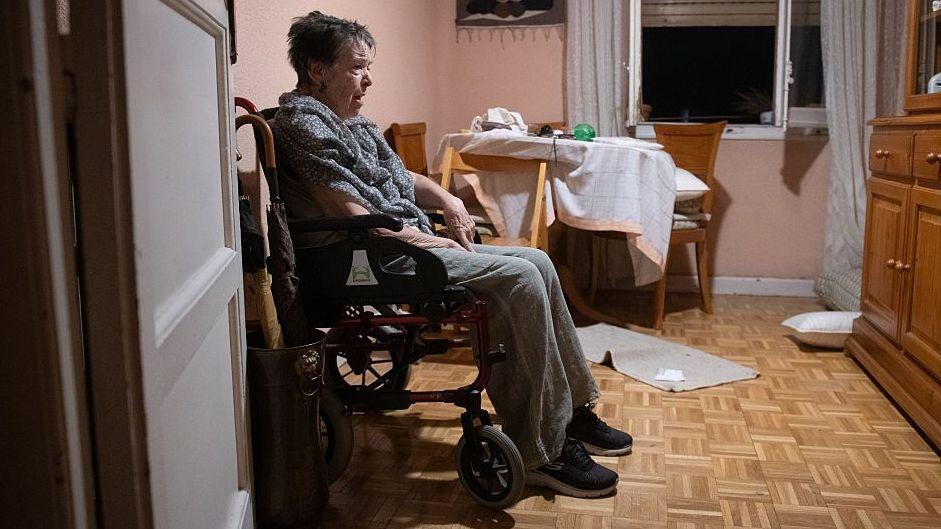
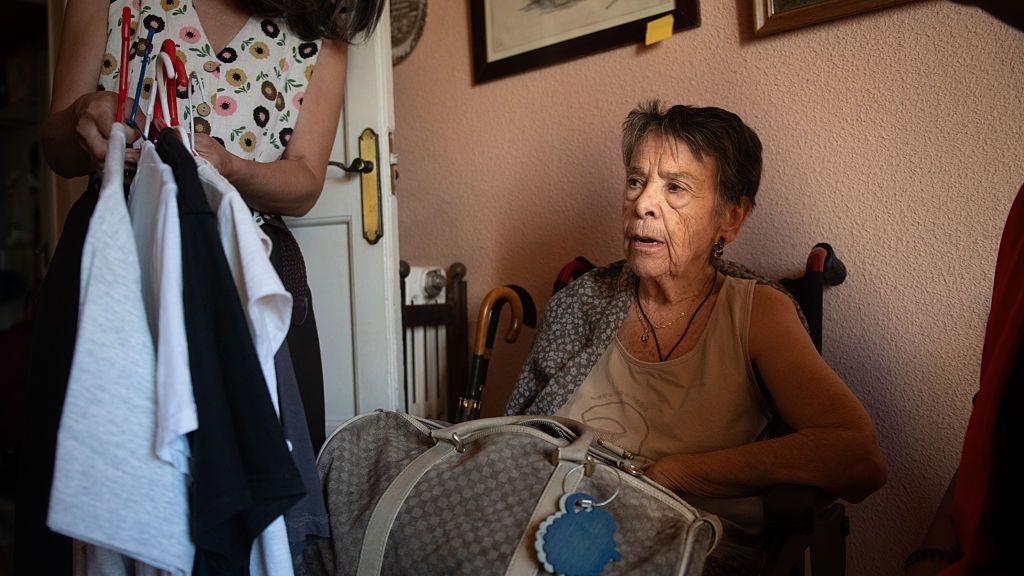
The Madrid tenants union announced on 7 October that Maricarmen Abascal, 87, had died after her forced eviction on 23 September. Abascal had lived in the same apartment for more than 70 years, a tenancy that began with her parents in 1956.
The property, purchased by Urbagestión in 2018, saw its monthly rent surge from €500 to €2,650—a rise of over 400 %. The company later offered a reduced rate of €1,650, still €300 above Abascal’s pension. The court‑blocked three earlier evictions drew massive public support, including from celebrities.
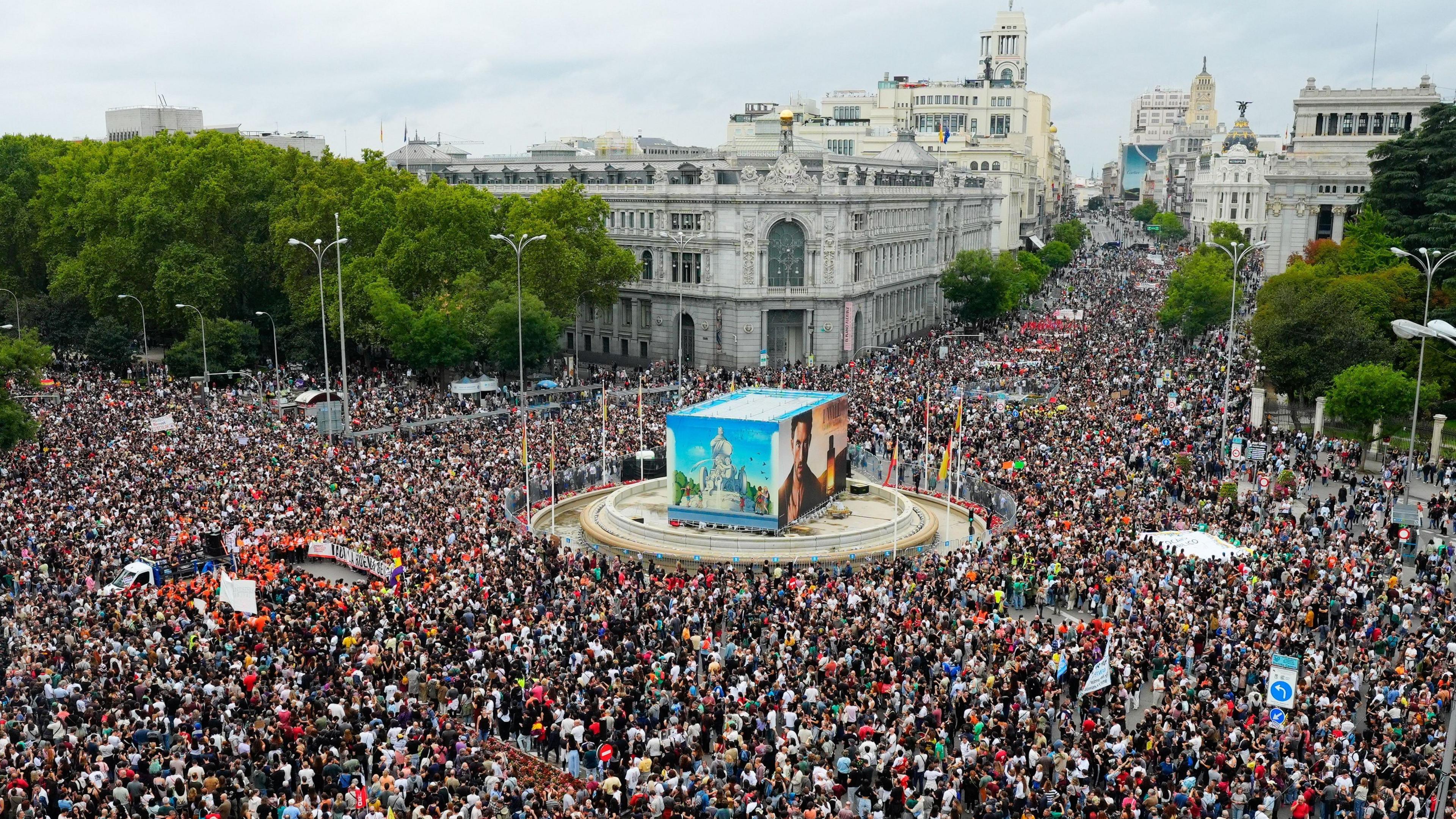
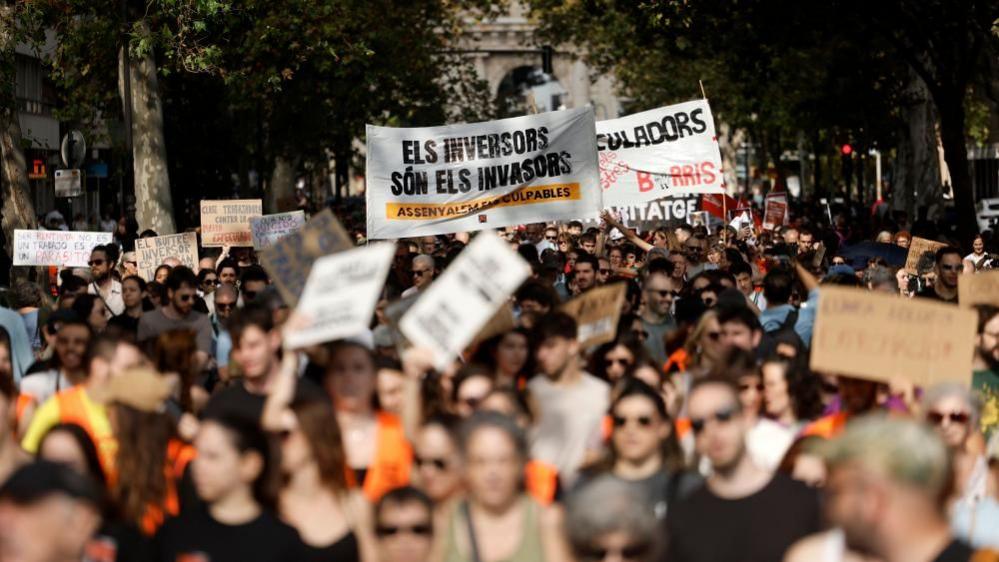
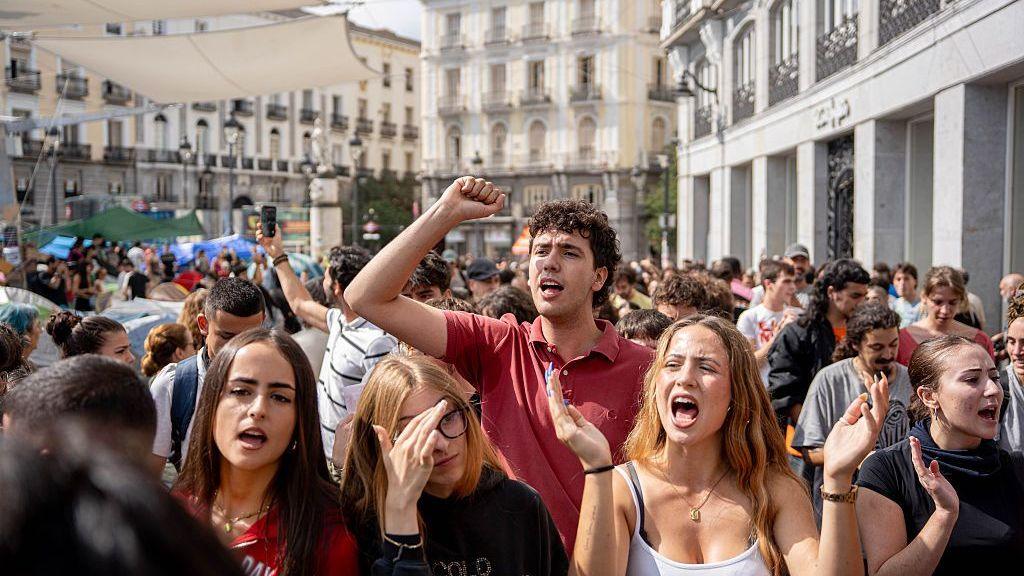
Abascal’s removal triggered a wave of protests, with thousands gathering in Madrid’s Puerta del Sol and in cities across Spain. Mourners lit candles, chanted “Murderers!” and called for the cessation of further evictions. A minute of silence was observed in the square, and the pedestrianised plaza became a makeshift altar.
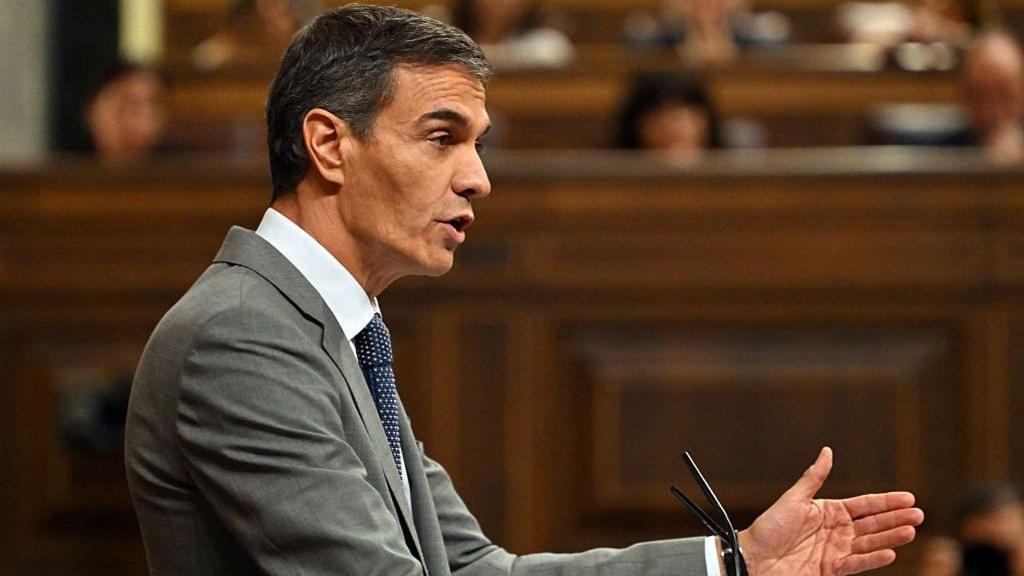
The controversy enlarged the political divide. Prime Minister Pedro Sánchez announced two emergency decrees on housing, which were subsequently rejected by Congress, leading him to call a snap election for 29 November. The opposition People's Party’s Alberto Núñez Feijóo said Abascal’s death should not be politicised, urging respect for her and her family.
Social movements blamed the state for the “high cost” of housing and for the loss of Abascal’s autonomy. The mayor of Madrid announced a committee to review rent controls, while the national government pledged further subsidies for low‑income tenants.
Abascal’s story remains a touchstone for the debate over Spain’s housing crisis. Her death has not quenched the protests; instead, it has amplified demands for rent regulation, transparent landlord practices, and a broader social housing agenda. The nation now watches as the political fallout from her eviction may shape the upcoming elections and the future of Spain’s rental market.