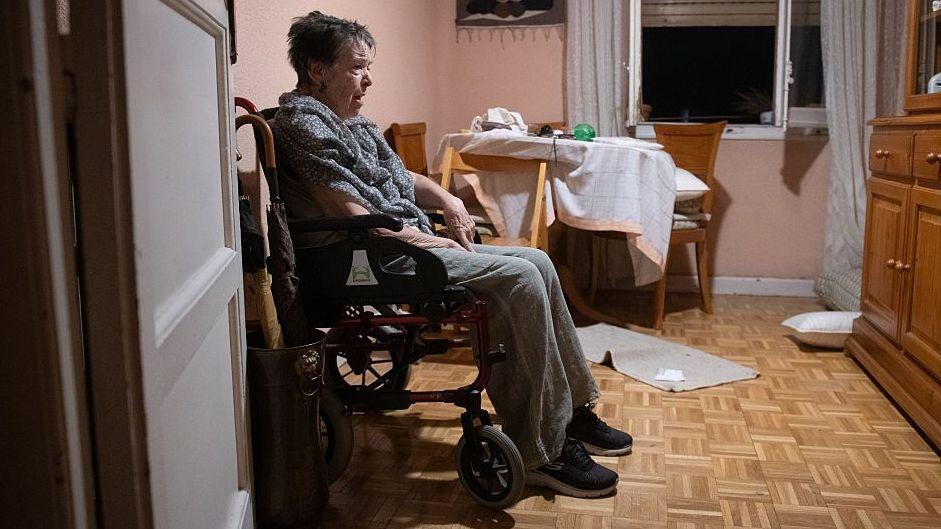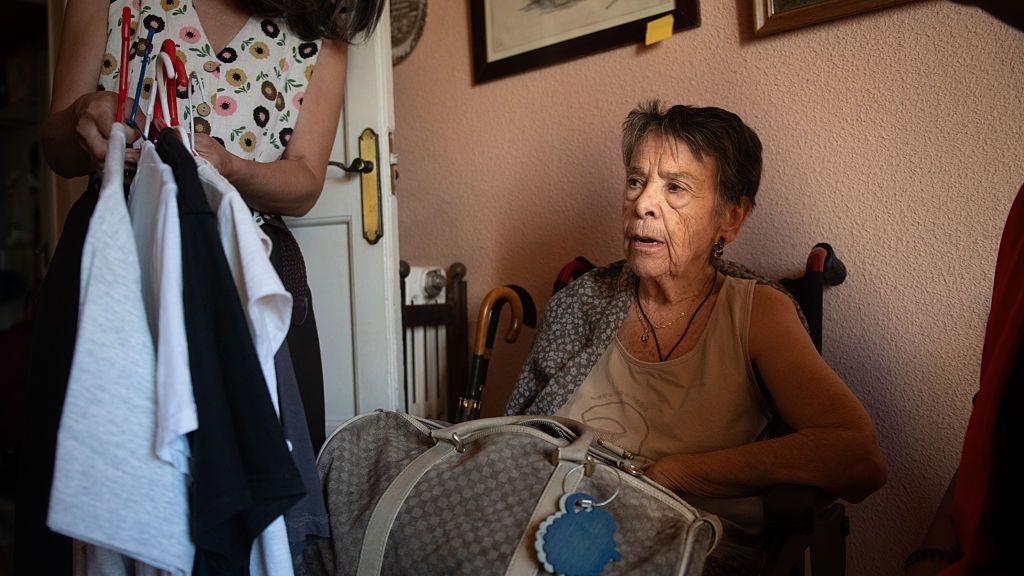
Madrid’s tenants union confirmed the death of 87‑year‑old Maricarmen Abascal, who was forcibly ejected from her apartment on 23 September. The eviction followed a dramatic rent hike that pushed her monthly burden from €500 to €2,650 before being partially reduced to €1,650, still exceeding her pension by €300.
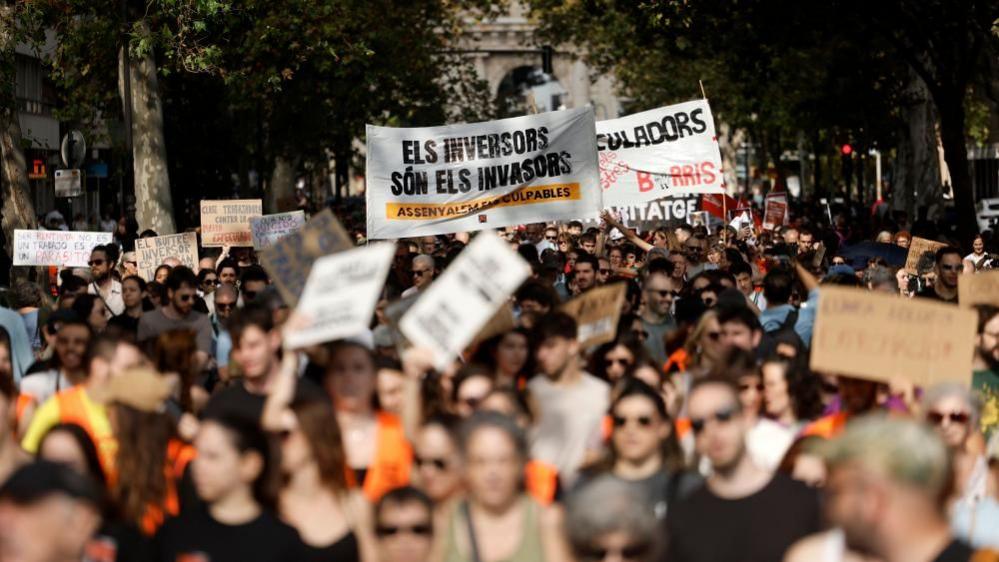
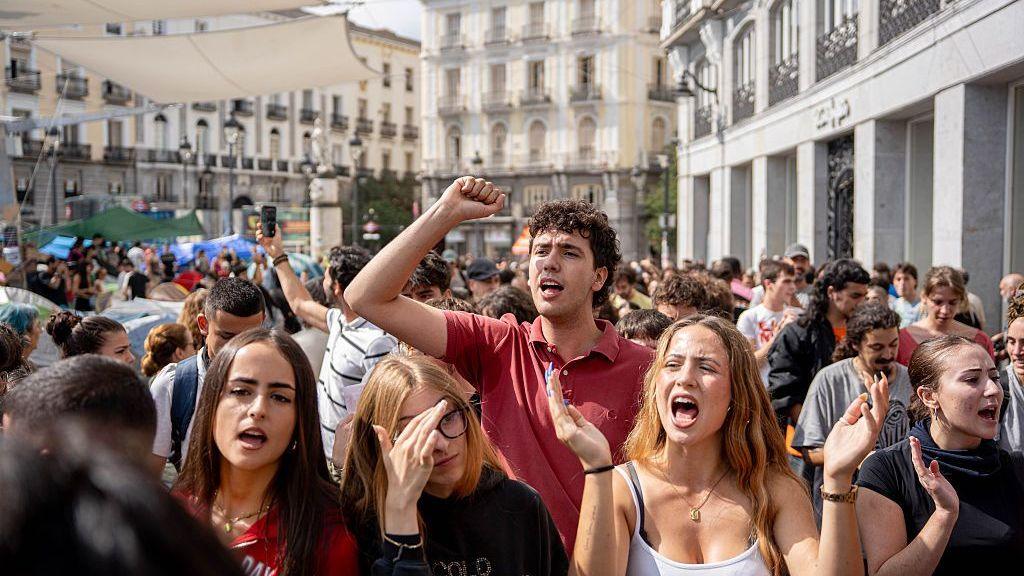
Abascal’s case has become a symbol of Spain’s broader housing crisis. Over the last fortnight, her story has sparked street demonstrations in cities from Madrid to Barcelona, rallying citizens who feel threatened by rising rents and a perceived lack of legal protection for long‑term tenants.
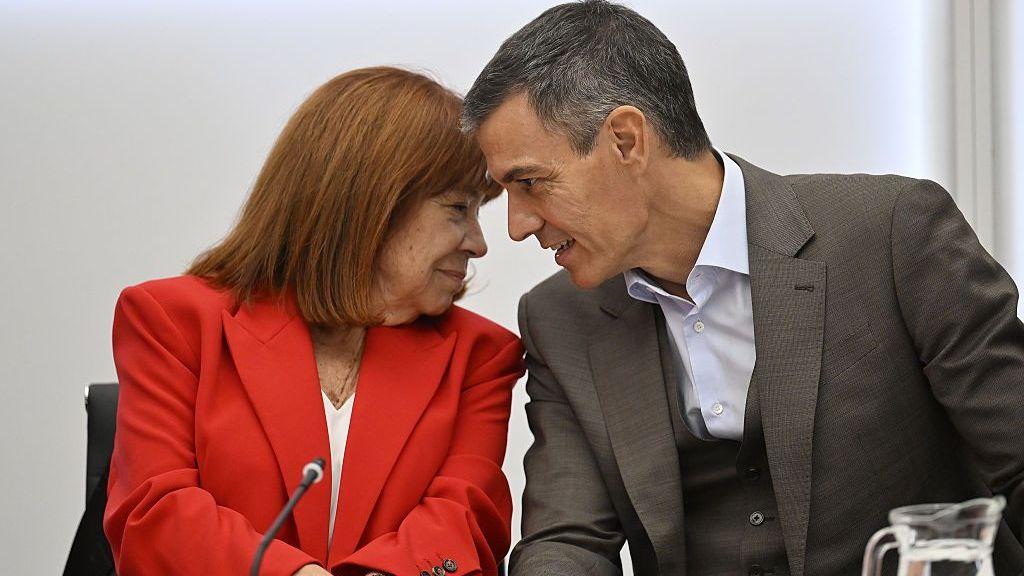
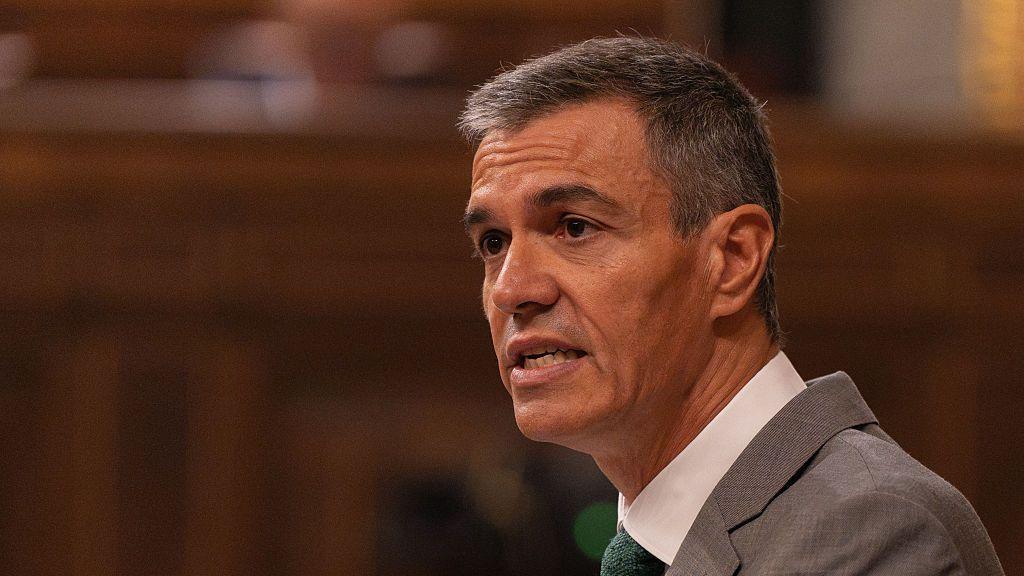
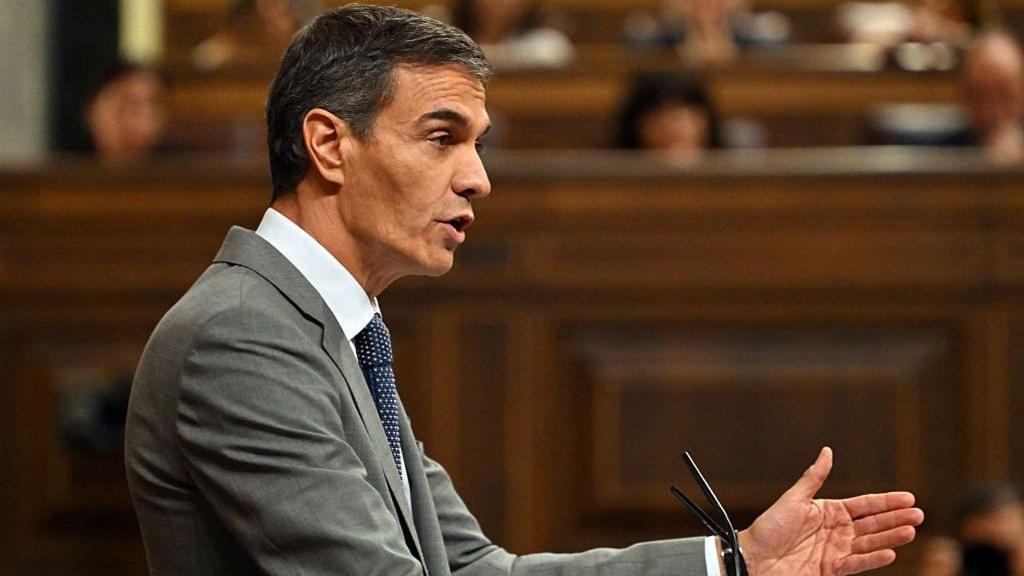
The government’s attempt to introduce emergency housing legislation met strong opposition. Parliament rejected the bill last week, prompting Prime Minister Pedro Sánchez to call for a snap election on 29 November. The move reflects the left coalition’s struggle to secure a majority, while right‑wing parties argue that market regulation could reduce the availability of rental housing and further inflate prices.
Tenant unions described Abascal’s death as “a turning point in the country’s history” and vowed to keep fighting for the rights of tenants. The unions contended that the government’s delayed response turned what could have been a solvable dispute into a tragic public crisis.
Political analysts see the death of an elderly evictee as a potent symbol, potentially swaying public opinion toward stricter tenant protections. The protest movement has already shown the power of civil action, with planners poised for a general strike in a bid to push housing reforms through Parliament after the anticipated early elections.
The episode has forced Spain to confront the complex interplay between social welfare, market economics, and political viability—a debate that will shape the nation’s policy direction for years to come.