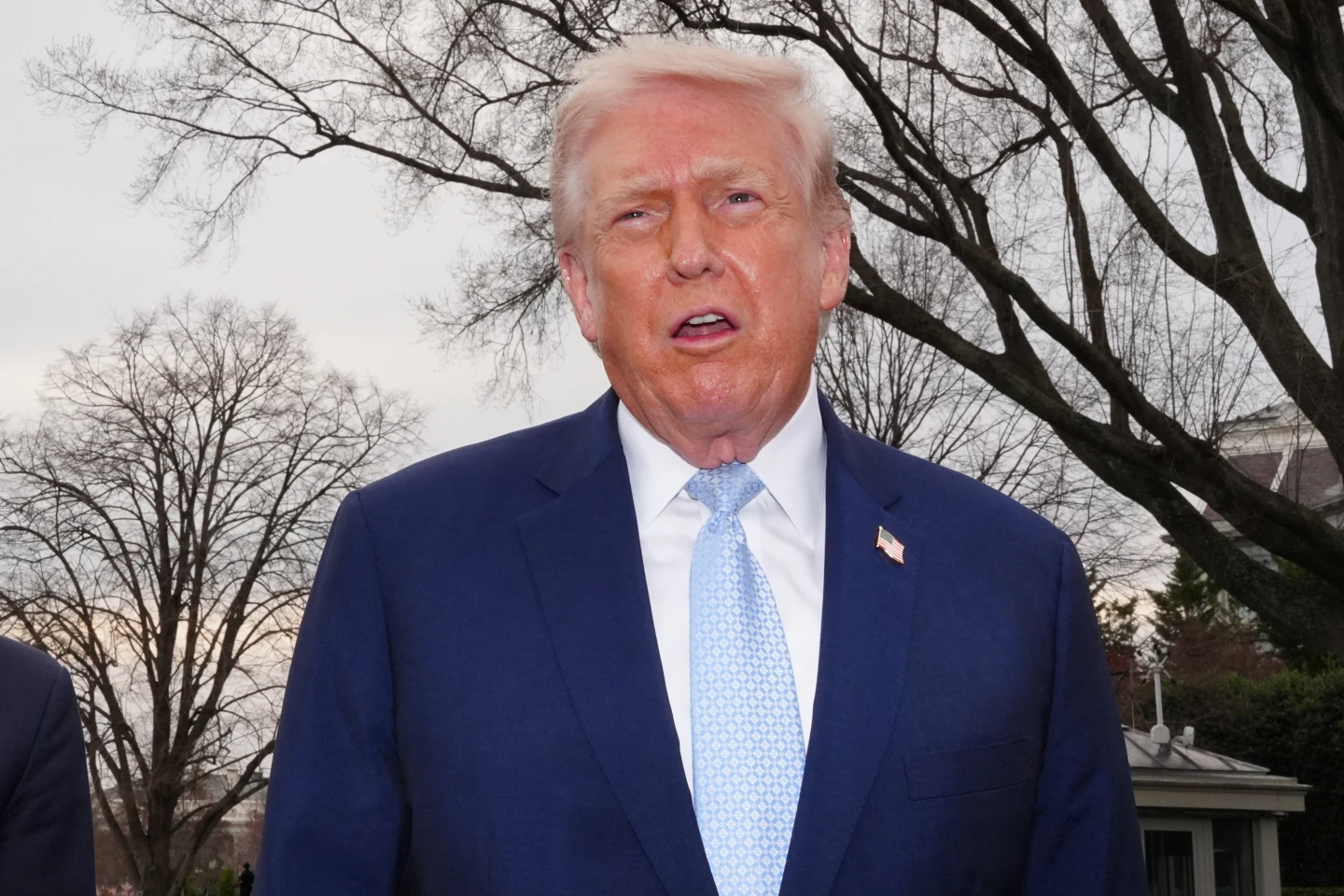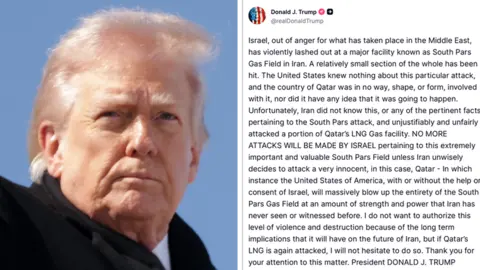
Three weeks after the joint US-Israeli war against Iran began, the conflict has reached a fuzzy state of mixed messages and uncertainty, with Donald Trump's public comments often seemingly contradicted by realities on the ground.
The war is very complete, pretty much, Trump has said, but new American ground forces – including a Marine expeditionary unit - are moving into the region. It is winding down, but US and Israeli bombing and missile strikes on Iranian targets continue unabated.
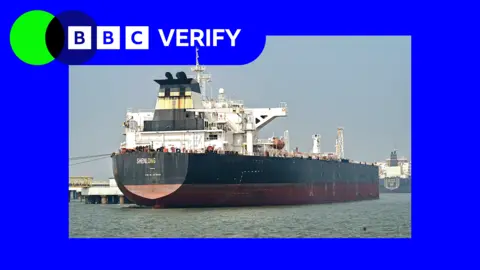
Opening the Strait of Hormuz, the geographic choke point through which 20% of the world's oil export travels, is a simple military manoeuvre, but for now, only Iranian-approved ships are transiting the waters.
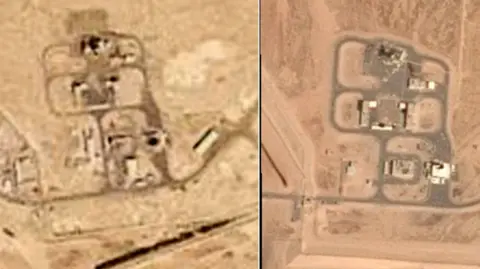
The Iranian military is gone, but drones and missiles are still striking targets in the region, with strikes extending as far as the joint US-UK base on Diego Garcia.
In a Friday evening Truth Social post, the US president provided a numbered list of American military objectives for the Iran war, claiming the US is getting really close to fulfilling them. These goals include degrading Iran's military capabilities and its nuclear weapons program while protecting American allies.
Notably omitted was the goal of securing the Strait of Hormuz, which Trump states should be the responsibility of other nations that depend more on oil exports from the Gulf. This perspective overlooks the interconnected nature of the global oil market and how price shifts affect the US economy.
Trump's recent objectives seem to indicate a potential for the US to conclude operations without toppling Iran's regime or curtailing its oil exports, raising questions about the long-term implications of the war. The arrival of additional US troops, including a significant Marine expeditionary force, suggests a readiness for prolonged conflict.
Military analysts speculate the US could aim to seize Kharg Island, Iran's key oil terminal, to cripple its oil revenue and leverage concessions. However, Trump has been vague about ground troop deployments, stating, If I were, I certainly wouldn't tell you.
Iranian state media has warned of potential retaliation against any assaults on Kharg Island, hinting at broad instability in the region. This volatility complicates the administration's approach and increases the risks for American troops.
Reportedly, the administration plans to request $200 billion in emergency funding for the Iranian military operation, signaling an extended commitment rather than a drawdown. Congressional responses have been cautious, underscoring the complexities and uncertainties surrounding military engagement.
The current situation presents a critical pivot point for the Iran war, with the ultimate direction remaining a puzzle as policymakers grapple with strategic clarity amidst the fog of war.