Evictions, repossessions, and food insecurity are just a few of the financial strains impacting Transportation Security Administration (TSA) agents amid an ongoing government funding lapse—now the third in less than six months. Union leaders and federal officials convey the urgency of the situation, which has forced TSA officers, who are deemed essential employees, to work without pay.
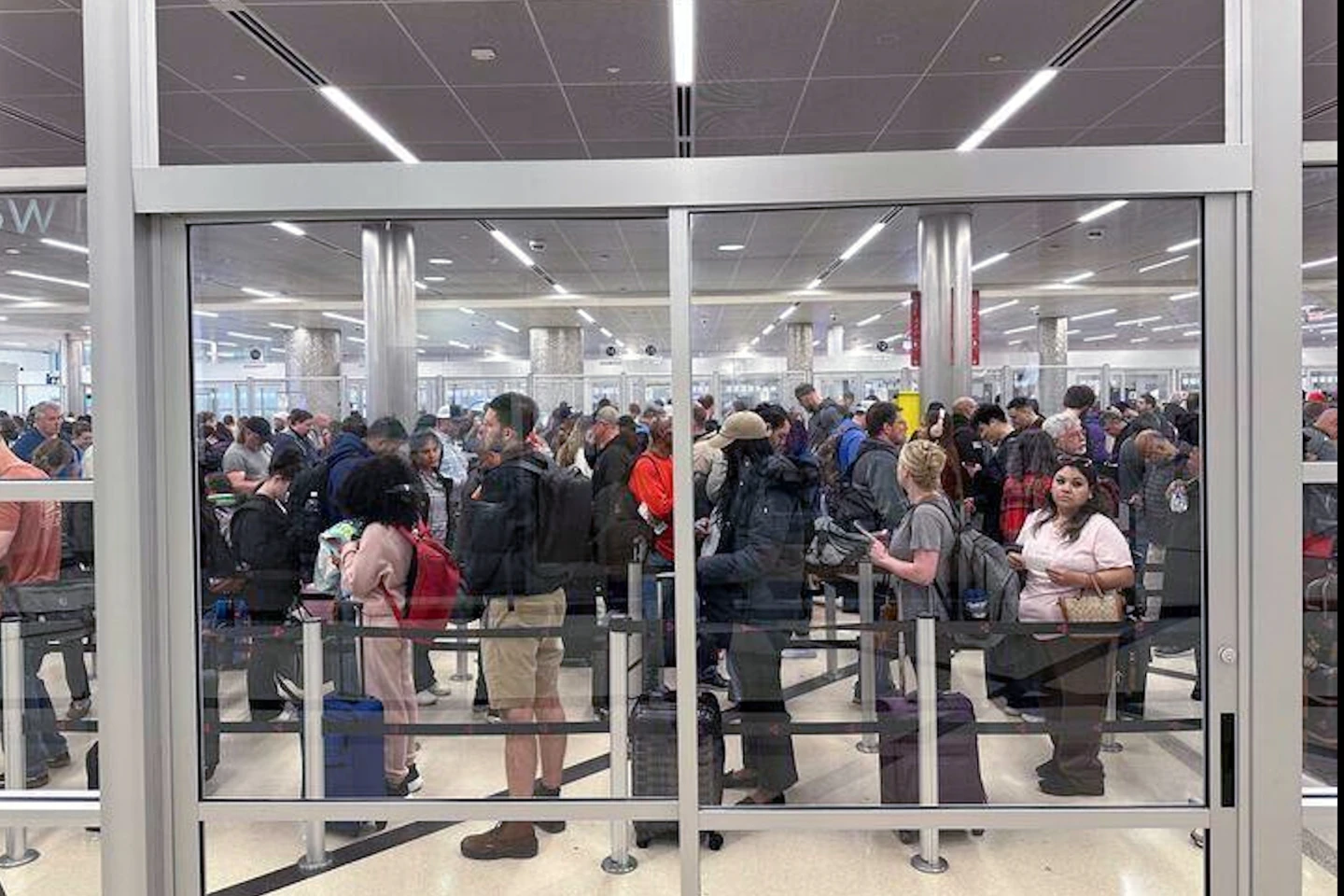
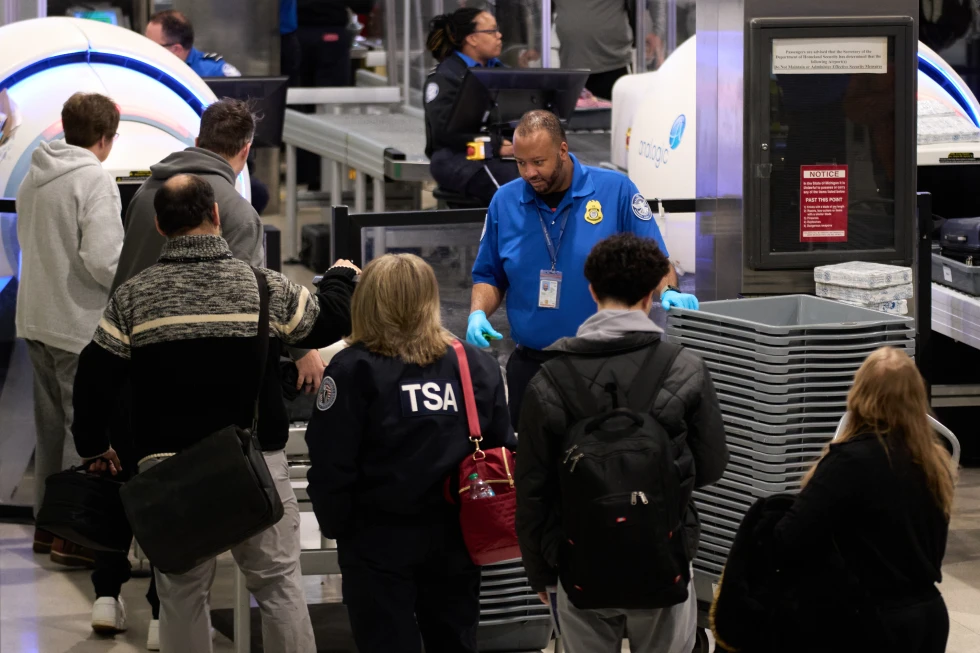
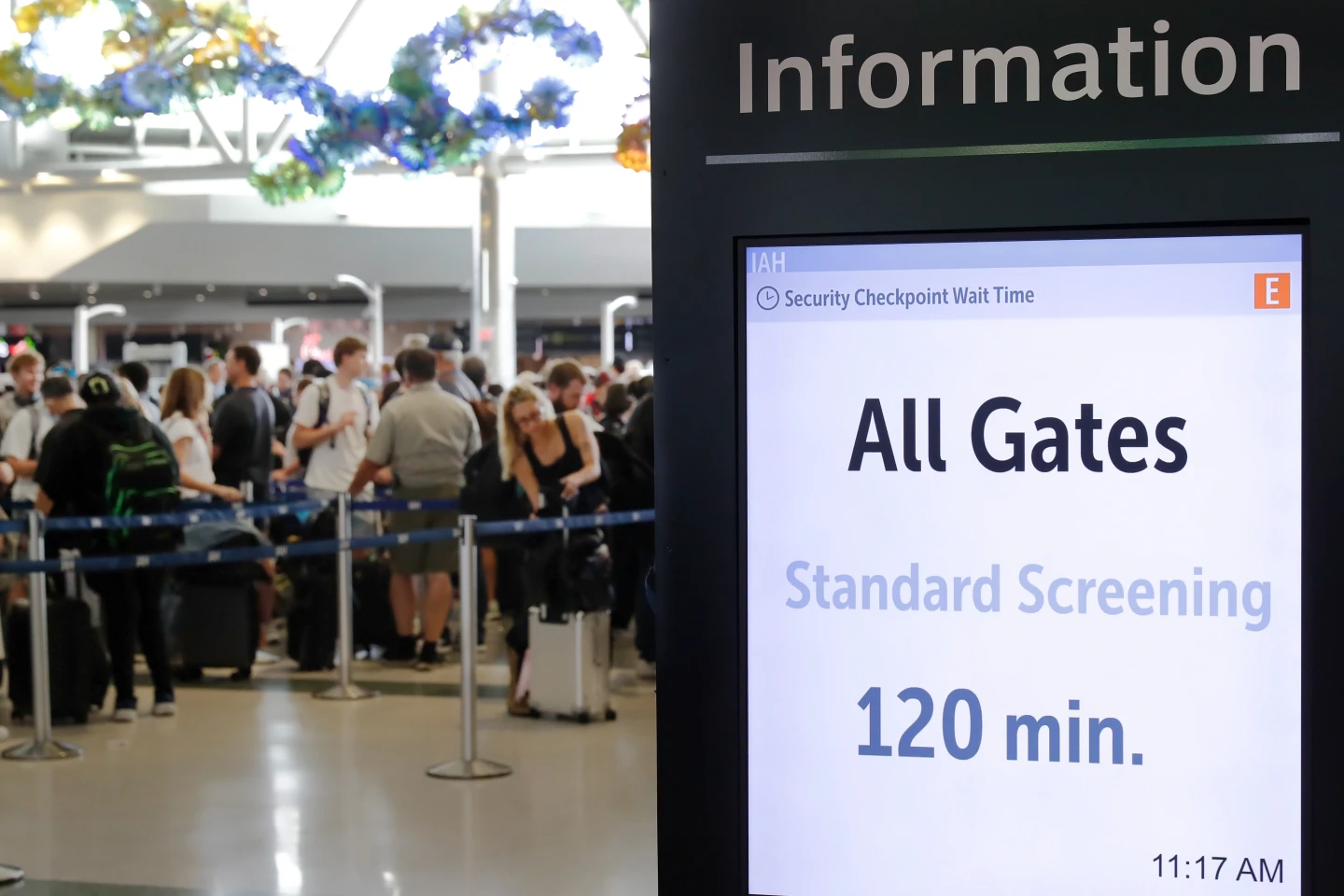
The consequences of the funding lapse are already being felt by the public, with many airports experiencing long wait times as TSA officers opt to seek other income sources or reduce their hours. At least 376 TSA officers have resigned since the current shutdown began, exacerbating ongoing staffing challenges within the TSA, which already has historically high turnover rates and low morale.
Cameron Cochems, a TSA union leader in Boise, Idaho, expressed the collective exhaustion of the workforce, stating, Every day it just feels like this weight gets heavier and heavier on us. Over the past 170 days, TSA officers have been unpaid for nearly half that time due to previous shutdowns, which has inadvertently led to an increase in resignations, especially in a robust job market where alternative employment strategies might be appealing.
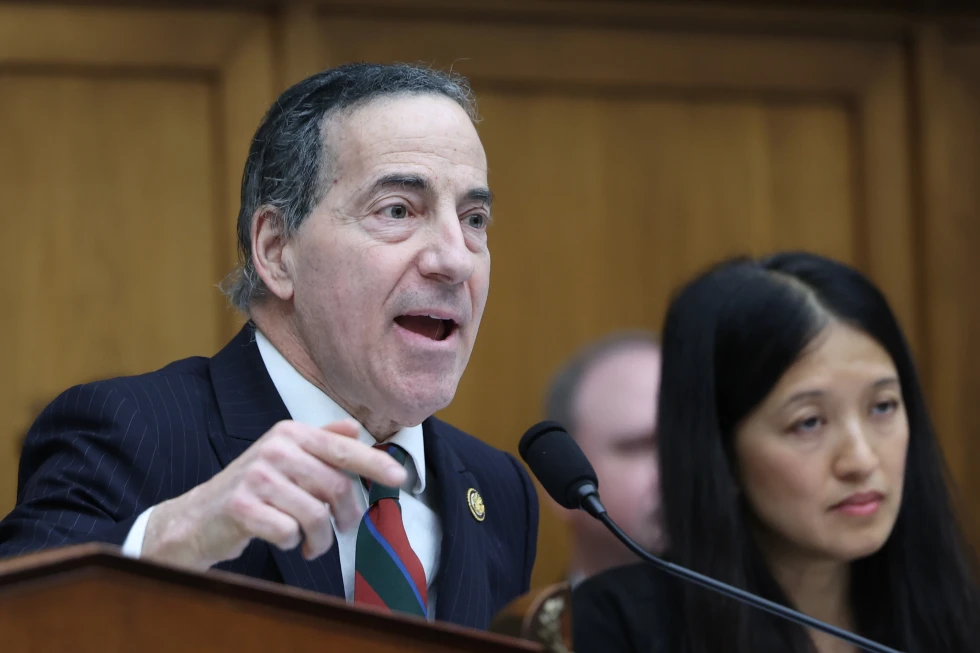
The House Committee on Homeland Security is set to hold a hearing to assess the ramifications of the partial shutdown on the TSA, along with other agencies. An alarming report from the U.S. Government Accountability Office indicates that the TSA has consistently been plagued by low morale, partly due to historically low pay and ongoing workplace frustrations. Despite some recent salary increases, dissatisfaction remains prevalent among the workforce.
With TSA agents now missing paychecks, many are struggling to meet basic living expenses. Cochems himself has taken a seasonal side job to supplement his income but is still burdened by financial insecurity, especially after his wife lost her job unexpectedly. He laments, Every day I come to the airport and I look at the food drive, see what things I can get for my family.
Uncertainty looms over how long the shutdown will persist, particularly as Congress is scheduled to be out of session for the first two weeks of April. Compounding the issue, air travel conditions have become increasingly unpredictable, with travelers reporting significant delays and threatened departures as staffing shortages cause airports to operate ineffectively.
As underfunded TSA officers continue to cope with increased workloads and limited resources, union leaders warn that these challenges will only escalate if immediate solutions are not implemented. The potential for long-term damage to staffing and morale is considerable, highlighting the urgent need for congressional action.
The consequences of the funding lapse are already being felt by the public, with many airports experiencing long wait times as TSA officers opt to seek other income sources or reduce their hours. At least 376 TSA officers have resigned since the current shutdown began, exacerbating ongoing staffing challenges within the TSA, which already has historically high turnover rates and low morale.
Cameron Cochems, a TSA union leader in Boise, Idaho, expressed the collective exhaustion of the workforce, stating, Every day it just feels like this weight gets heavier and heavier on us. Over the past 170 days, TSA officers have been unpaid for nearly half that time due to previous shutdowns, which has inadvertently led to an increase in resignations, especially in a robust job market where alternative employment strategies might be appealing.
The House Committee on Homeland Security is set to hold a hearing to assess the ramifications of the partial shutdown on the TSA, along with other agencies. An alarming report from the U.S. Government Accountability Office indicates that the TSA has consistently been plagued by low morale, partly due to historically low pay and ongoing workplace frustrations. Despite some recent salary increases, dissatisfaction remains prevalent among the workforce.
With TSA agents now missing paychecks, many are struggling to meet basic living expenses. Cochems himself has taken a seasonal side job to supplement his income but is still burdened by financial insecurity, especially after his wife lost her job unexpectedly. He laments, Every day I come to the airport and I look at the food drive, see what things I can get for my family.
Uncertainty looms over how long the shutdown will persist, particularly as Congress is scheduled to be out of session for the first two weeks of April. Compounding the issue, air travel conditions have become increasingly unpredictable, with travelers reporting significant delays and threatened departures as staffing shortages cause airports to operate ineffectively.
As underfunded TSA officers continue to cope with increased workloads and limited resources, union leaders warn that these challenges will only escalate if immediate solutions are not implemented. The potential for long-term damage to staffing and morale is considerable, highlighting the urgent need for congressional action.