New Monkey Species with Orange Lips Discovered in Democratic Republic of Congo
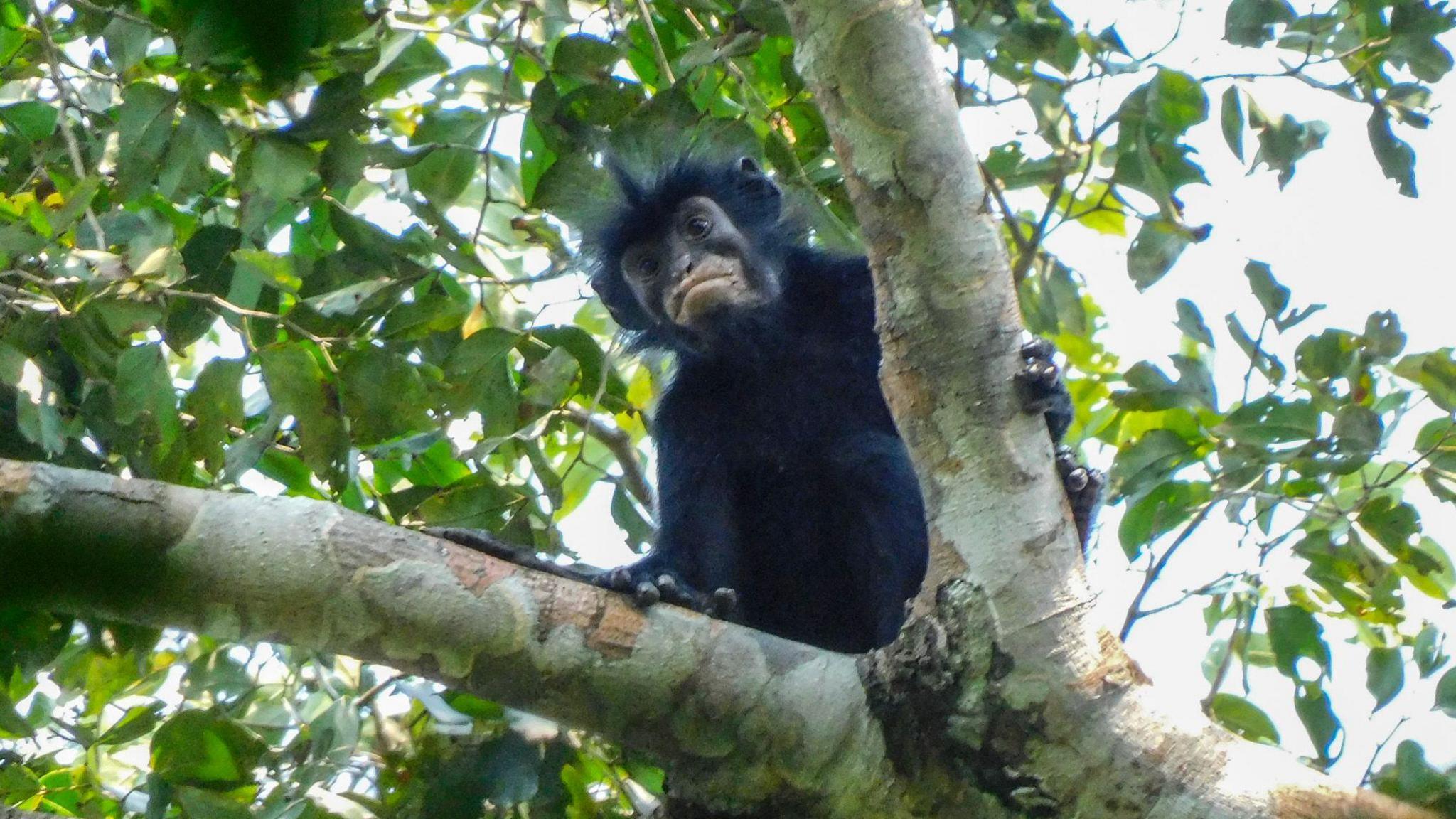
A monkey with a black face and striking pinkish‑orange lips has been confirmed as a new species by an international research team. The primate, now named Colobus congoensis, was found high in the canopy of Lomami National Park in the central‑east of the Democratic Republic of Congo.
The first glimpse of this unique animal dates back to 2008 when conservationists noted its unusual appearance in the dense tropical forest. Over the next decade, only sporadic sightings were recorded until a dedicated expedition combined audio recordings, photography and DNA analysis to establish the animal’s distinct species status.
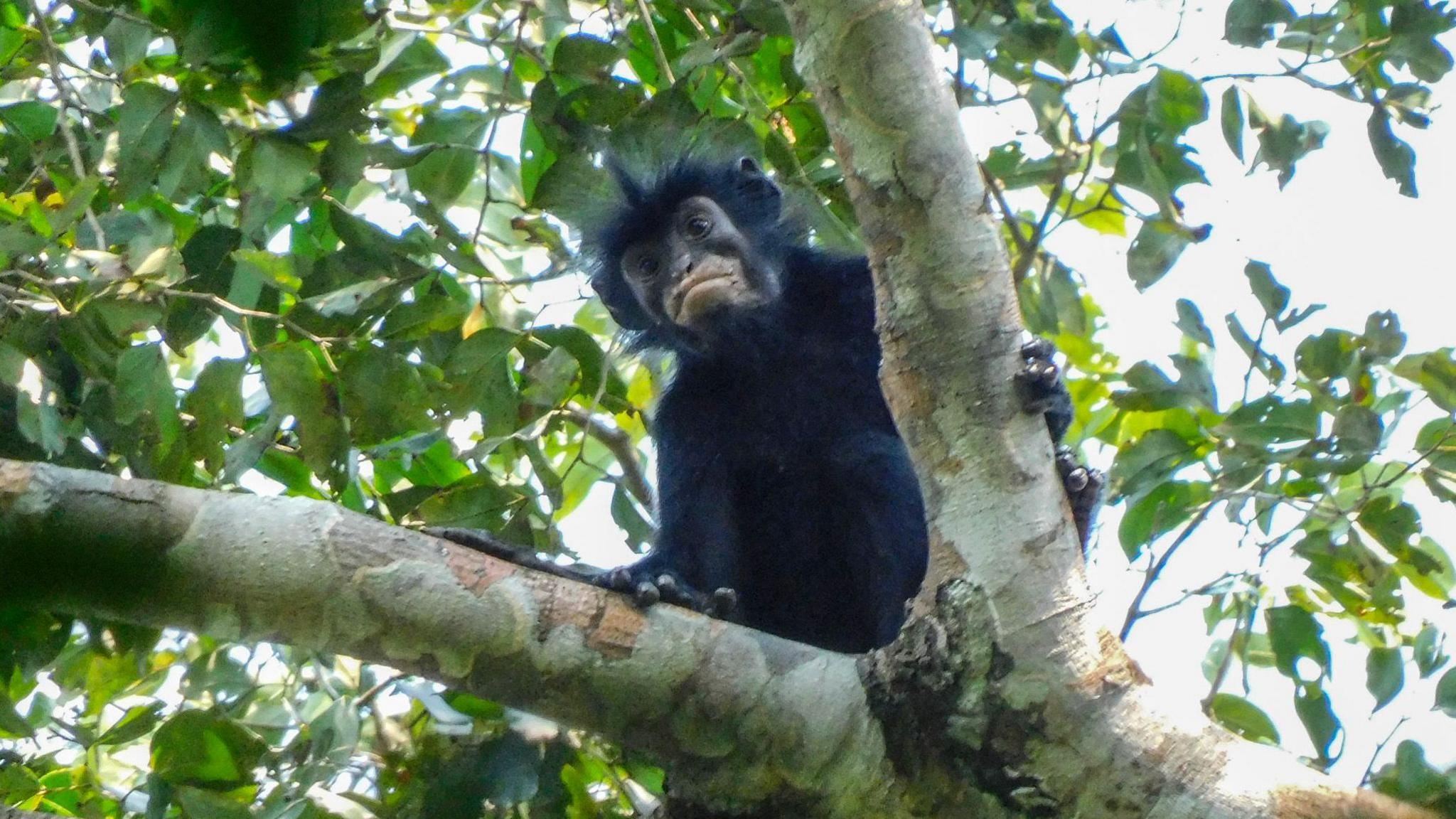
Local residents are already familiar with the rodent, calling it "Likweli". The research team interviewed inhabitants in 52 nearby villages, and only eight reported having seen the animals, underscoring how elusive they are despite living in close proximity to the forest.
Colobus congoensis belongs to the broader group of colobus monkeys, which differ from most primates by lacking thumbs. "These are key herbivores of the canopy and likely have a role in seed dispersal and forest regeneration," noted Professor Kate Detwiler of Florida Atlantic University, who contributed to the study.
The monkey’s bright facial markings might serve as a visual signal to conspecifics or to attract mates, according to Detwiler. Additionally, the animals emit a distinctive roaring call that can be heard frequently in the forest, yet they are rarely seen.
The discovery positions Colobus congoensis for the first time as a distinct species, opening the door for legal protection as hunting for meat remains a threat. The researchers plan to conduct a detailed survey to estimate population size and further investigate the species’ behavior and ecological role.
By Victoria Gill, Science Correspondent