New World Screwworm Fly Threatens US Cattle Industry
The New World screwworm fly is threatening the $113 billion U.S. cattle industry for the first time in more than half a century, with a fresh infestation confirmed in south Texas. A 3‑week‑old calf in La Pryor, Texas, 100 miles southwest of San Antonio and 50 miles from the U.S.–Mexico border, was the only case until now.
Federal and state officials had been working to keep the parasite from reaching Texas, the nation’s leading cattle-producing state, worth $17 billion. The parasite had been detected in Mexico in late 2024 after years of being contained in Panama. The latest case is the first in Texas since 1966.
Being Unusual Makes the Fly a Threat
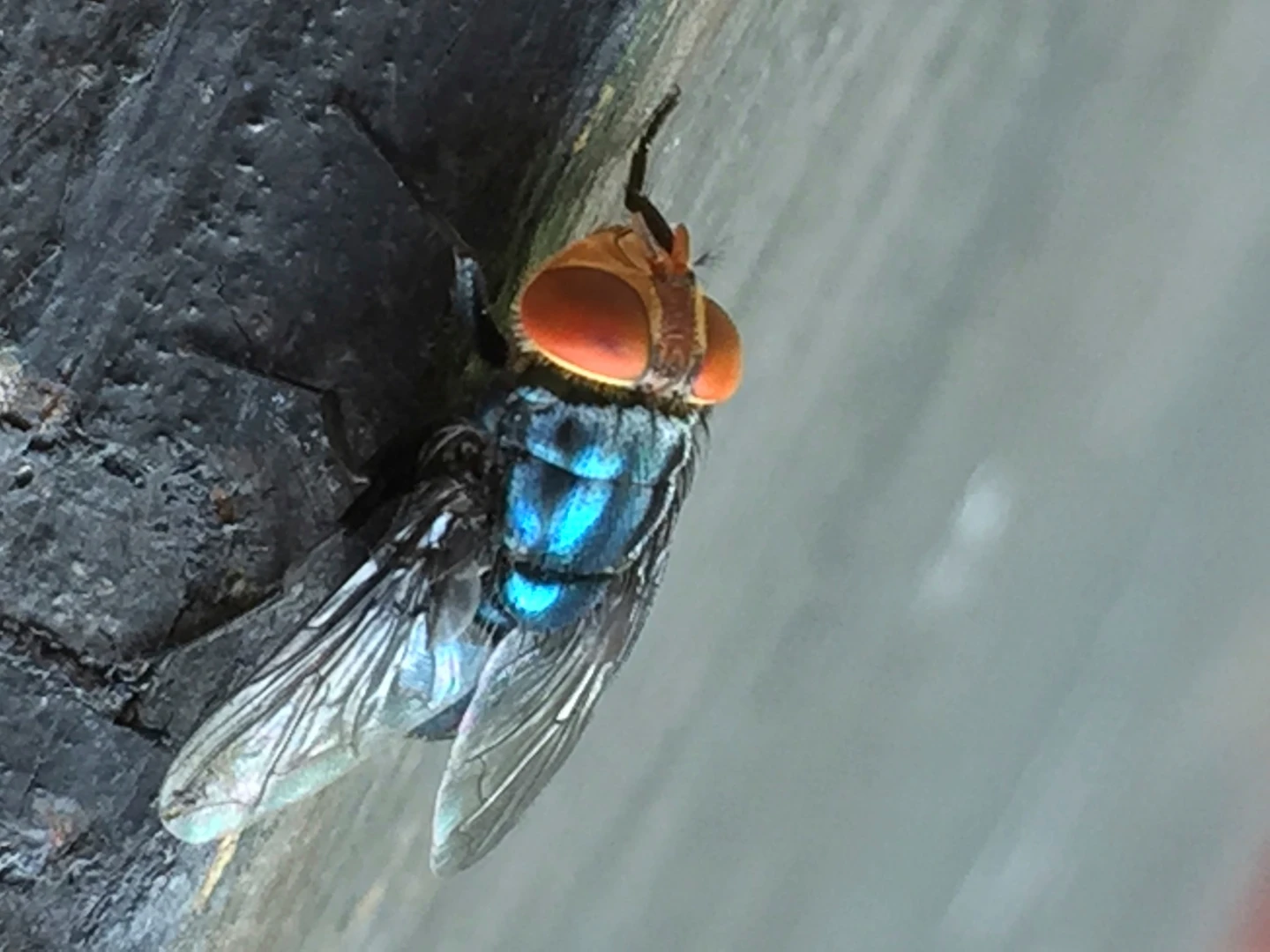
The New World screwworm fly, along with its African cousin, is unusual among insects because its larvae eat living flesh. Females lay eggs in fresh wounds and mucous membranes, and a single mating is enough to fertilise thousands of eggs. Any warm‑blooded animal—including livestock, wildlife and even humans—can be infested.
Ranchers must watch for even small scratches, as they provide a gateway for the parasite. “Even a tick bite can put cattle at risk,” said Stephen Diebel, a Texas rancher.
Officials Sounded Alarms for Nearly Two Years
Since a case was confirmed in southern Mexico in November 2024, federal and state officials have warned of the fly’s movement into the U.S. Mexico’s beef industry has been hit hard, and in July 2025 the U.S. Agriculture Secretary closed border ports to livestock imports to stop the pest from reaching Texas. Mexico has confirmed thousands of infestations and U.S. officials have blamed weak border security for the fly’s migration.
Scientists say climate change—worsening cold snaps and expanding warm‑weather habitats—has facilitated the parasite’s northward spread.
Officials Quarantine a Swath of Texas
Texas State Veterinarian Bud Dinges imposed a 12‑mile quarantine zone covering most of Zavala County—including La Pryor—and part of Uvalde County. Animals cannot leave the zone without inspection. He urged ranchers to monitor their animals, including pets, and to keep them within the zone.
Local ranchers fear the fly might jump to wildlife such as deer, which were impacted by the last U.S. outbreak in 2016 and were eradicated with sterile‑male releases.
In Texas, Shots and Fly Drops
Since February, the USDA has dropped millions of sterile male flies into south Texas, hoping to block the insects’ spread. The plan will continue. A new fly‑breeding facility in southern Mexico will open next month and a $750 million investment in a Texas factory aims to produce up to 300 million sterile flies a week.
Diebel’s family ranch, 200 miles east of the quarantine zone, is proactively giving injections that prevent infestation and treating wounds from ear tagging. “Surveillance is one of the biggest things,” he said.
Officials Rely on Time‑Tested Science
Officials remain confident that sterile‑male releases will control the fly. When a female mates with a sterile male, none of her eggs hatch. The method has worked in decades of eradication campaigns, including the 2016 Florida Keys outbreak. The U.S. shut down its own fly factories after eradication and now relies on international breeding facilities.
“The sterile insect is not only the most effective tool we have, but it is also considered one of the most environmentally friendly pest‑control methods ever developed,” said Secretary Rollins.
}