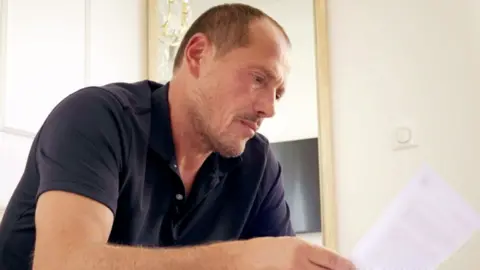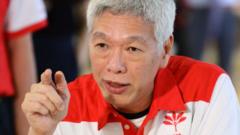
Lee Hsien Yang presented key documents, including notification from the UK government confirming his five-year refugee status based on his "well-founded fear of persecution" if he were to return to Singapore. He and his wife have been living in London as asylum seekers after reporting harassment and legal actions from the Singaporean government. Reports indicate that despite the claims of persecution, the Singaporean government has denied such allegations, stating the Lee family remains free to return and has faced no legal constraints.
This family dispute intensified following the death of their sister, Lee Wei Ling, earlier this month, creating further scrutiny over their father’s estate. While Lee Hsien Yang calls for the demolition of their father’s house—believed to be of considerable value—Lee Hsien Loong’s administration plans to preserve it as a historical site, contradicting their father's known wishes for its demolition.
Despite living in exile, Lee Hsien Yang remains committed to his opposition to the Singapore government and has vowed to continue his political activism from abroad. As public interest grows in the allegations of abuse of power within the ruling family, the implications of this asylum grant expand, questioning the political dynamics in Singapore's leadership.
The situation represents not only a deep-rooted family dispute but also raises critical discussions regarding freedom of expression and governmental accountability in a nation where political dissent is often subdued.
As this saga continues to unfold, the narrative surrounding Singapore's leadership legacy and the ongoing familial conflict remains pivotal in shaping the political landscape of the city-state.
This family dispute intensified following the death of their sister, Lee Wei Ling, earlier this month, creating further scrutiny over their father’s estate. While Lee Hsien Yang calls for the demolition of their father’s house—believed to be of considerable value—Lee Hsien Loong’s administration plans to preserve it as a historical site, contradicting their father's known wishes for its demolition.
Despite living in exile, Lee Hsien Yang remains committed to his opposition to the Singapore government and has vowed to continue his political activism from abroad. As public interest grows in the allegations of abuse of power within the ruling family, the implications of this asylum grant expand, questioning the political dynamics in Singapore's leadership.
The situation represents not only a deep-rooted family dispute but also raises critical discussions regarding freedom of expression and governmental accountability in a nation where political dissent is often subdued.
As this saga continues to unfold, the narrative surrounding Singapore's leadership legacy and the ongoing familial conflict remains pivotal in shaping the political landscape of the city-state.