Perspectives on the Iran War: Goals and Outcomes
Introduction
Most people, although not everybody, want this war to end as quickly as possible. But on what terms? That is where positions diverge.
The United States
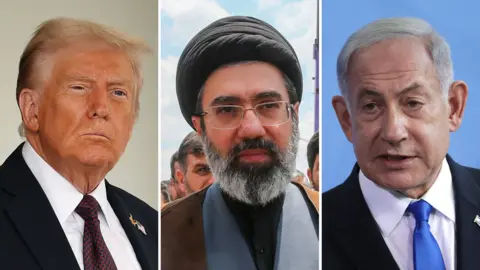
President Donald Trump's war aims have been somewhat opaque, appearing to vacillate between a simple curtailment of Iran's nuclear programme, to capitulation to all US and Israeli demands, to the total collapse of the Islamic Republic regime. So far, Iran has neither capitulated nor collapsed. But its military has been severely weakened by 16 days of relentless precision bombing.
Indirect talks between the US and Iran in Geneva in February, mediated by Oman, showed signs of progress regarding the nuclear file. The Omanis indicated that Iran was prepared to make major concessions that would reassure that Tehran was not pursuing a nuclear weapon; however, they were not willing to discuss limitations on ballistic missile programs or support for proxy groups in the region.
Ideally, for Washington and its allies, this war ends with the collapse of the rule of the ayatollahs, replaced by a democratically elected government. However, indications suggest that it might not happen soon. If the regime survives, it would be challenging for Trump to avoid a narrative of failure.
Iran
Iran aims to stop the war quickly but not at any price, recognizing that it likely has the strategic patience to outlast Trump. The Islamic Republic's leadership seeks guarantees against future attacks and reparations but knows the attainment of these demands is unlikely. Surviving this conflict would allow Iran to claim victory.
Israel
Among the three parties, Israel appears the least hurried to end the war. It focuses on destroying Iran's ballistic missile stocks and military infrastructure. The Israeli government considers Iranian missile capabilities and nuclear ambitions an existential threat. Thus, they perceive the necessity of relentlessly challenging these capabilities.
The Gulf States
The Gulf Arab states, initially assuming they could coexist with the Islamic Republic, are now frustrated by daily bombardments from Iranian drones and missiles despite their neutrality in the conflict. This has radically altered their outlook towards Tehran, indicating a significant loss of trust.
Conclusion
The diverging objectives and strategic calculations of the United States, Iran, Israel, and Gulf states highlight the complexities of the Iran war. While each entity has its own goals, the intertwined fates of these nations suggest prolonged conflict unless significant changes in strategy occur. As negotiations continue, the implications of these differing views will shape the future landscape of the region.