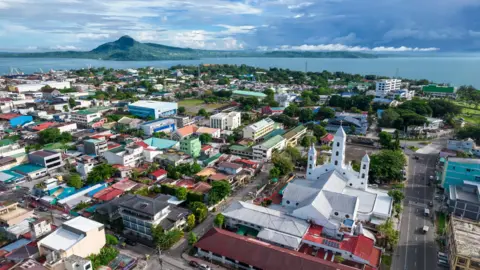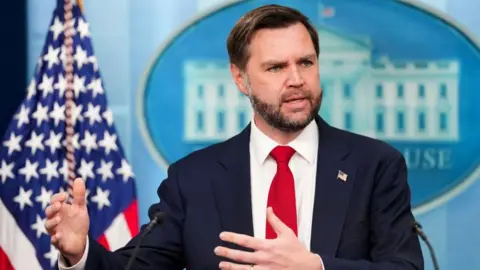
Philippine President Ferdinand Marcos says he is working to secure new sources of oil after he placed the country under a state of national energy emergency in response to the war in Iran.
Marcos told Filipinos in a televised address that the government would procure one million barrels of oil to add to the current stock, which is good for 45 days.
We will have a flow of oil. Not just one delivery, not two deliveries, but a flow of oil-related products, he said.
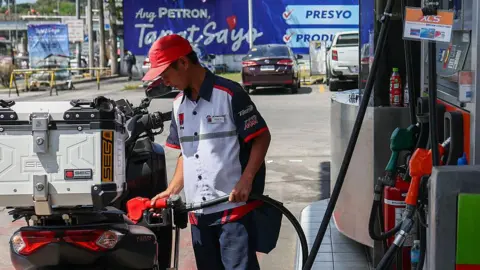
The Philippines, which imports 98% of its oil from the gulf, became the first country to declare an energy emergency after local diesel and petrol prices more than doubled since the war broke out on 28 February.
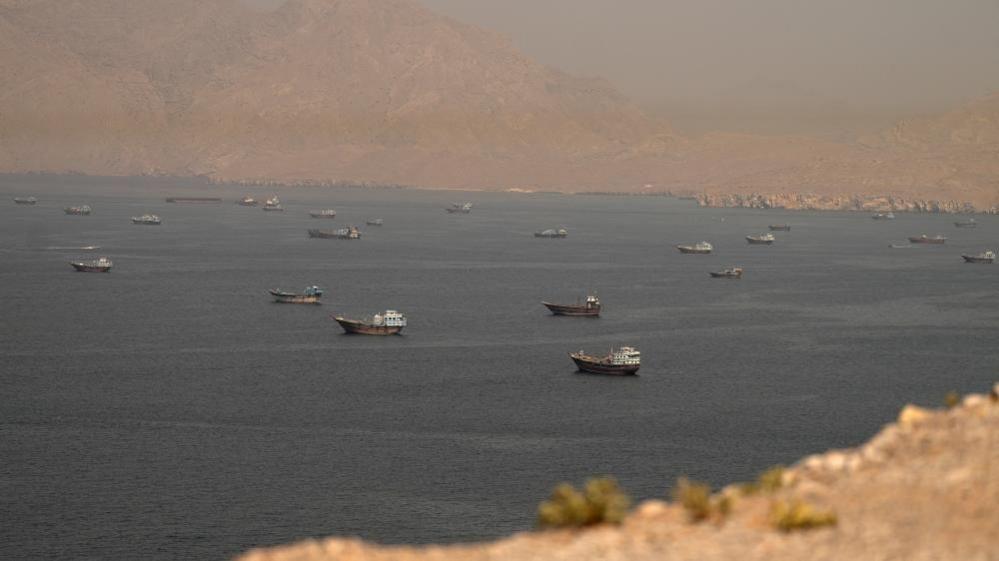
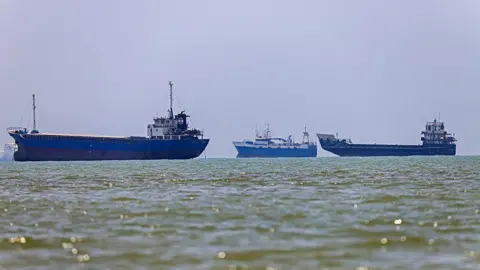
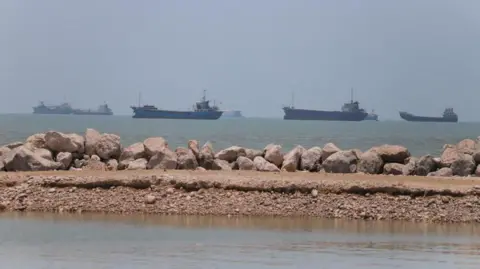
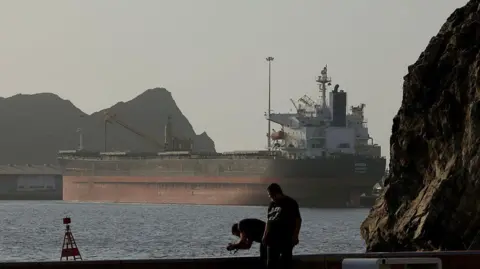
The US-Israel war with Iran and the effective closure of the Strait of Hormuz—a key shipping route—have sent shock waves through global energy markets, causing shortages and price rises.
Marcos's emergency declaration gives the government legal authority to impose measures to ensure energy stability and protect the broader economy.
Nothing is off the table. We are looking at everything we can do, whatever suggestion, whatever idea, he said.
Philippine Ambassador to the US, Jose Manuel Romualdez, has reported that Manila is working with Washington to secure exemptions allowing the country to import oil from US-sanctioned countries.
Under Marcos' order, a committee has been formed to oversee the orderly distribution of fuel, food, medicines, and other essential goods.
The government has also been empowered to directly purchase fuel and petroleum products to shore up supplies. This declaration will remain in place for one year, unless extended or lifted by the president.
In response to the soaring oil prices, calls from several senators urged Marcos to acknowledge the emergency-level hardship faced by families.
In stark contrast, one of the country's main labor coalitions, the Kilusang Mayo Uno (KMU), criticized the emergency declaration, saying it reflects the government's failure to address the oil crisis, and also raised concerns about possible anti-worker measures.
Business leaders, however, have backed the government's emergency powers, arguing that they are necessary during this tough time.
Transport workers and other groups plan to strike on Thursday and Friday, reflecting wider anger over rising fuel costs and perceived inadequacies in the government's response.
Transport union coalition ‘Piston’ has laid out demands including scrapping fuel taxes and rolling back oil prices.
Since hostilities began, the government has offered subsidies to transport drivers and implemented a four-day work week for civil servants to conserve fuel.
Energy Secretary Sharon Garin noted that the country has about 45 days of fuel supply left and indicated a temporary shift to coal-fired power plants to meet energy needs amid rising liquefied natural gas costs.