Scientists expected the opposite, but polar bears in the Norwegian Arctic archipelago of Svalbard have become fatter and healthier since the early 1990s, all while sea ice has steadily declined due to climate change.
Polar bears rely on sea ice as a platform from which to hunt the seals that provide them with blubber-rich meals. Their fat reserves serve as energy and insulation, crucial for mothers to produce rich milk for cubs.
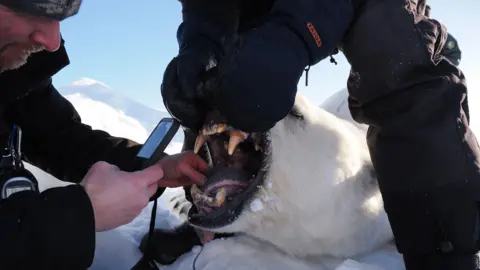
Researchers weighed and measured 770 adult polar bears in Svalbard between 1992 and 2019, finding a significant increase in their body fat. They hypothesize that Svalbard bears have adapted to recent ice loss by consuming more land-based prey, such as reindeer and walruses, which have recovered in numbers due to protective measures since the 1950s.
Dr. Jon Aars from the Norwegian Polar Institute expressed surprise at these findings, stating, The fatter a bear is, the better it is, and noting an expected decline in body condition given the profound loss of sea ice. Despite this positive short-term outlook for Svalbard bears, ongoing climate change continues to pose serious threats to their long-term survival.
The findings published in Scientific Reports indicate that while some polar bears are thriving in Svalbard, many other polar bear populations in the Arctic are facing significant declines.