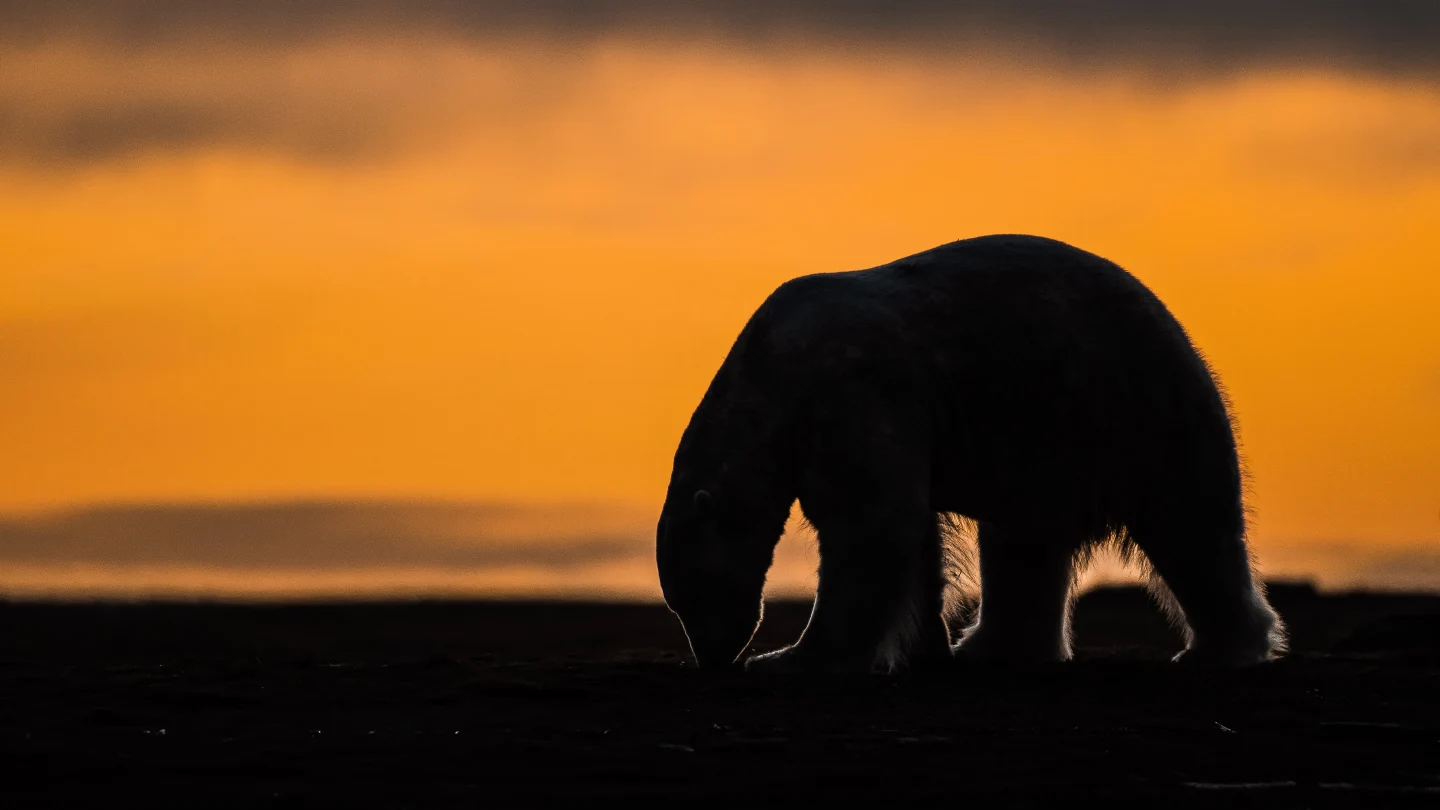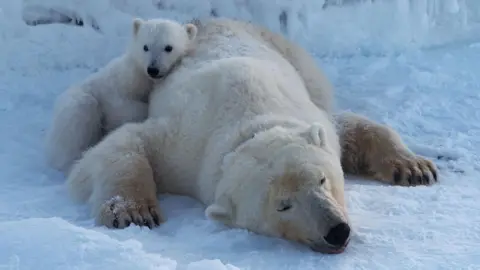
Scientists expected the opposite, but polar bears in the Norwegian Arctic archipelago of Svalbard have become fatter and healthier since the early 1990s all while sea ice has steadily declined due to climate change.
Polar bears rely on sea ice as a platform from which to hunt seals that provide energy-rich meals. The bears' fat reserves are critical for sustaining energy, insulation, and enabling mothers to produce rich milk for cubs.
Researchers, weighing and measuring 770 adult bears in Svalbard from 1992 to 2019, found that they had become significantly fatter. They hypothesize that Svalbard bears have adapted to the loss of ice by hunting more land-based prey, such as reindeer and walruses, suggesting a dietary shift.
The findings published in Scientific Reports are puzzling against the backdrop of severe ice loss, as average temperatures in the region have increased, reducing ice-free days by almost 100 over recent decades.
Dr. Jon Aars, lead researcher from the Norwegian Polar Institute, explained, The fatter a bear is, the better it is, adding he expected to see a decline in bear body condition with such profound ice loss.
Despite the current health of Svalbard's polar bears, researchers caution that future trends are uncertain as melting ice could lead to longer travel times for the bears, further exhausting their fat reserves.
The uplift in bear health may also link to the resurgence of walrus populations due to hunting bans, providing an understandable yet unexpected source of fatty food. This dietary adaptation highlights the resilience of the species in the short term, yet the longer-term viability of polar bear populations remains doubtful if climate change continues unchecked.
Dr. John Whiteman from Polar Bears International noted, Body condition is only one piece of the puzzle and emphasized the need for continuous monitoring of the ice-covered environment critical for these iconic Arctic mammals.