Zimbabwe's Ruling Party Moves to Extend Presidential Term Limits
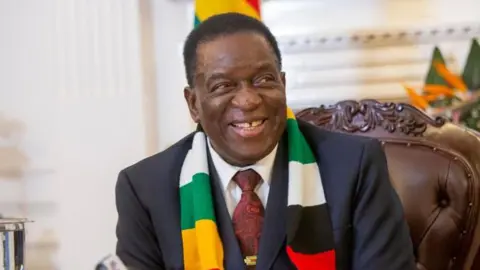
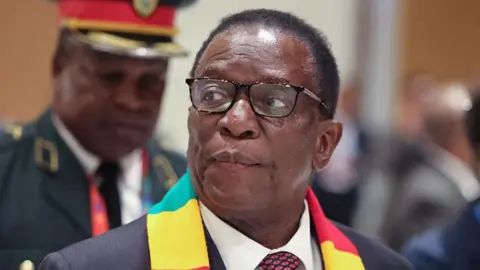
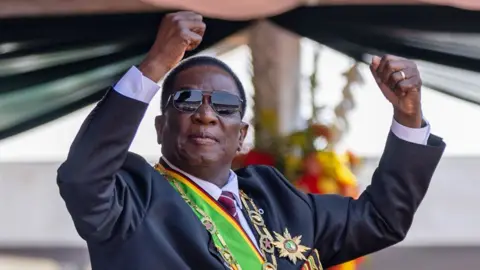
Zimbabwe's cabinet has approved draft legislation that would enable President Emmerson Mnangagwa, aged 83, to potentially extend his presidency until at least 2030. Under the proposed changes, presidential candidates would be selected by Members of Parliament instead of through a direct public vote, allowing the possibility of serving two seven-year terms instead of the current five-year terms.
Justice Minister Ziyambi Ziyambi announced that public consultations would occur before the bill reaches parliamentary debate, where the ruling Zanu-PF party holds a majority. However, legal experts argue that any alterations to term limits need to be preceded by a referendum and emphasize that amendments should not favor the sitting president.
Mnangagwa, who first came into power in 2017 following a military coup that deposed former leader Robert Mugabe, was re-elected in 2023, although the election results were contentious. Known as 'the crocodile' for his shrewd political maneuvers, his current term is set to end in 2028.
This legislative proposal comes amid growing hints that Mnangagwa may wish to remain in power past 2028, echoed by supporters chanting slogans promoting his leadership until 2030. This past year, political tensions peaked following the death of key critic Blessed Geza, who vocally opposed Mnangagwa's ambition to extend his rule. The government maintains that the legal changes are vital for enhancing governance and achieving political stability as it works towards the goals of 'Agenda 2030'.
In conclusion, while the proposed changes are touted as efforts to solidify political stability, they cast a shadow over Zimbabwe's democratic foundations, stirring concerns of power retention at the expense of constitutional integrity.