NEW YORK (AP) — The midterm election landscape appears increasingly challenging for Republicans following President Donald Trump's address concerning military action in Iran. As tensions abroad escalate, party members find themselves navigating a difficult terrain marked by rising energy costs and dissenting views on military involvement.
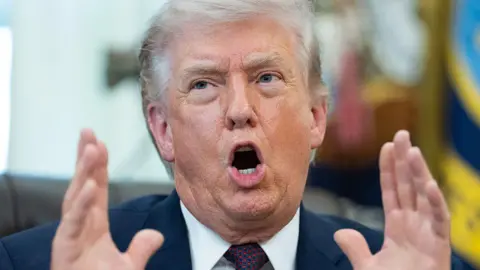
Trump's recent speech, his first since U.S. forces engaged in strikes against Iran, has left many Americans unclear about the administration's strategy. While he claimed progress, stating that military objectives would be achieved 'very shortly,' the ongoing conflict poses risks of political backlash for a party that is currently trying to maintain its grip on Congress.
Veteran Republican strategist Neil Newhouse warned, You’re looking at an ugly November. Many within the GOP agree that the political costs of the current military engagement may be detrimental to their campaigns.
Republican Dissent and the Party's Divide
The Republican National Committee's recent avoidance of the war topic in official communications reflects a larger discomfort within the party about Trump's military strategy. Candidates in competitive districts often refrain from publicly addressing the administration's policies, illustrating a divide between Trump’s base supporters and the administration's critics.
While Trump retains strong support from many Republican voters, as evidenced by comments from Sen. Lindsey Graham praising his address, others express frustrations. Rep. Marjorie Taylor Greene, once a staunch Trump ally, criticized the focus on war over domestic issues, stating, I wanted so much for President Trump to put America First.
Long-Term Political Implications
Polls indicate significant public skepticism regarding the military actions taken in Iran. A recent survey shows approximately 60% of adults believe the U.S. military effort has gone too far, raising concerns about the president's approval ratings, which hover around 40%.
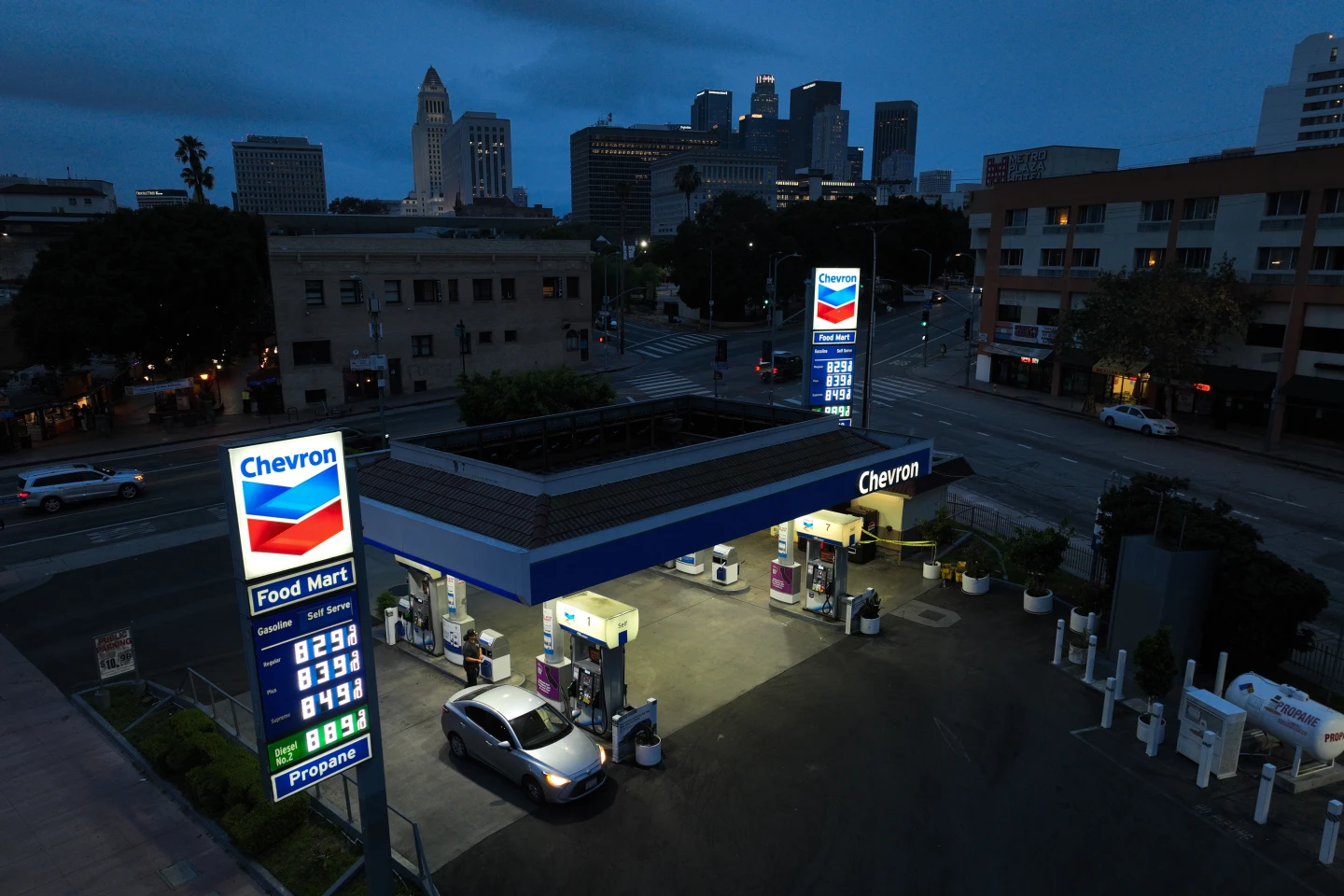
The current geopolitical tensions come at a time when energy prices are climbing, further complicating the Republican narrative as they brace for the midterms. The average price for gasoline in the U.S. reached $4.08 recently, prompting questions about the administration's effectiveness in managing domestic affairs in conjunction with foreign engagements.
Historically, successful military endeavors can bolster a president’s standing, yet the GOP faces a contrasting legacy from recent conflicts such as Iraq that sour public sentiment over time. Republican strategist Ari Fleischer notes, Ultimately, he is not going to get judged on his persuasion... he’s going to get judged on results. The President’s ability to deliver tangible outcomes will be crucial as the administration seeks to navigate the complexities of war and its implications for the upcoming elections.