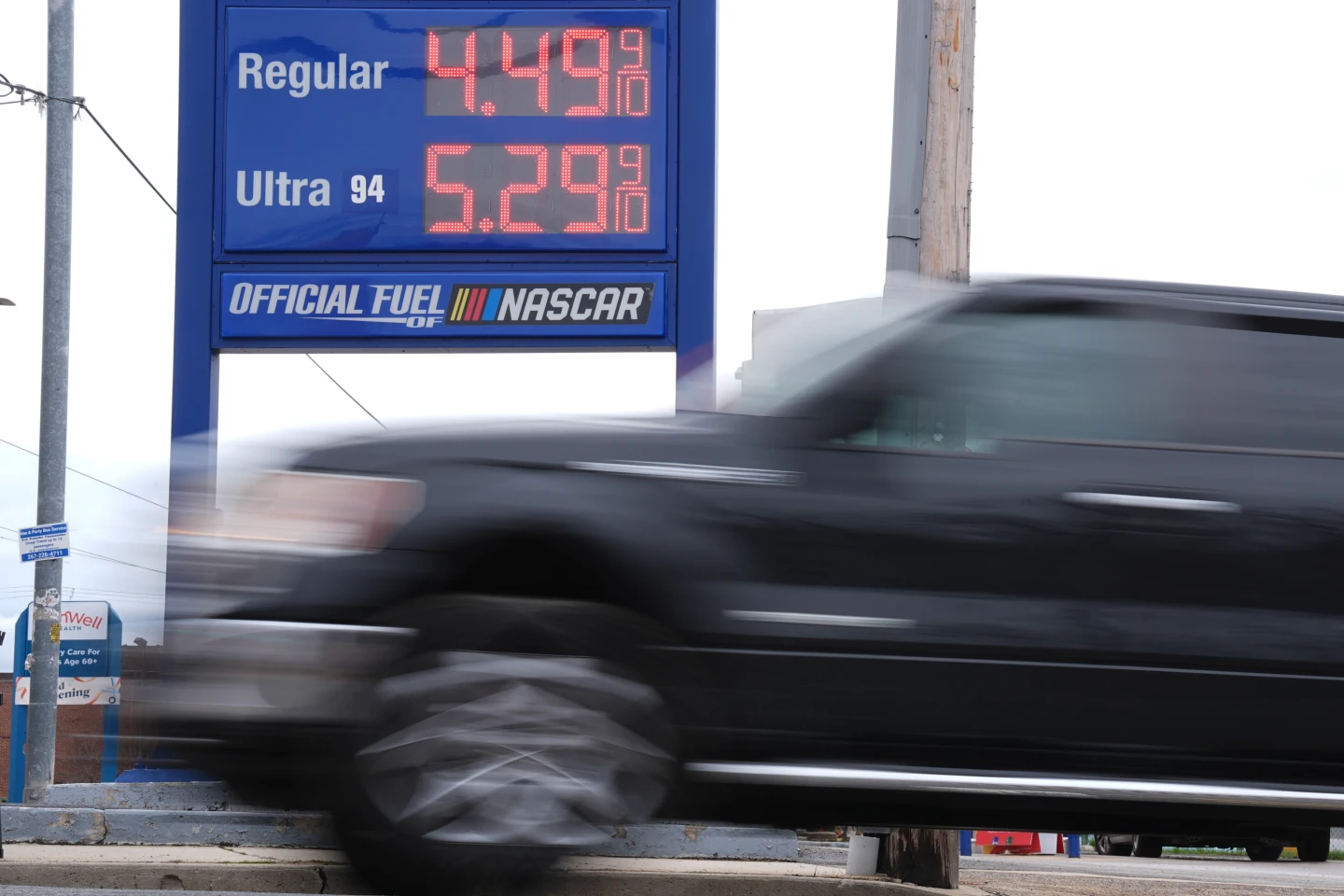
DES MOINES, Iowa — The recent surge in U.S. gas prices, now exceeding $4 per gallon, has led drivers to express frustration and financial strain. Spurred by global conflicts, notably the war in Iran, the volatility in gas pricing is leaving consumers searching for ways to cope with rising costs.
According to data from AAA, fluctuating prices seen at gas stations can change from day to day and even from one station to another, compelling many drivers to strategize how and when to refuel to mitigate costs. Experts, however, indicate that these price disparities do not arise solely from the decisions of individual retailers; most gas stations cannot capture significant profit increases when wholesale prices rise.
The uncertainty at the pump parallels a volatile oil and gas market, complicating pricing for retailers across the board stated Patrick De Haan, head of petroleum analysis at GasBuddy. As prices rise, business margins tighten significantly for retailers like Lonnie McQuirter, director of a south Minneapolis refueling station.
We price based on what we’re able to buy fuel at, and how well we can operate, said McQuirter, noting that despite rising operational costs and tighter margins, customer service remains a priority for him and his team. It really takes a toll when people are having to cut back on certain things in order to afford to live, he concluded.
Experts explain that roughly half of a gallon's price at the pump is attributed to the crude oil cost, while taxes comprise about 20%. This leaves retailers with limited room to adjust for emerging operational costs. As pressure builds from the rising costs of crude oil owing to geopolitical instability, the ripple effect can lead to incremental adjustments at the spot price level, leaving consumers concerned about future hikes.
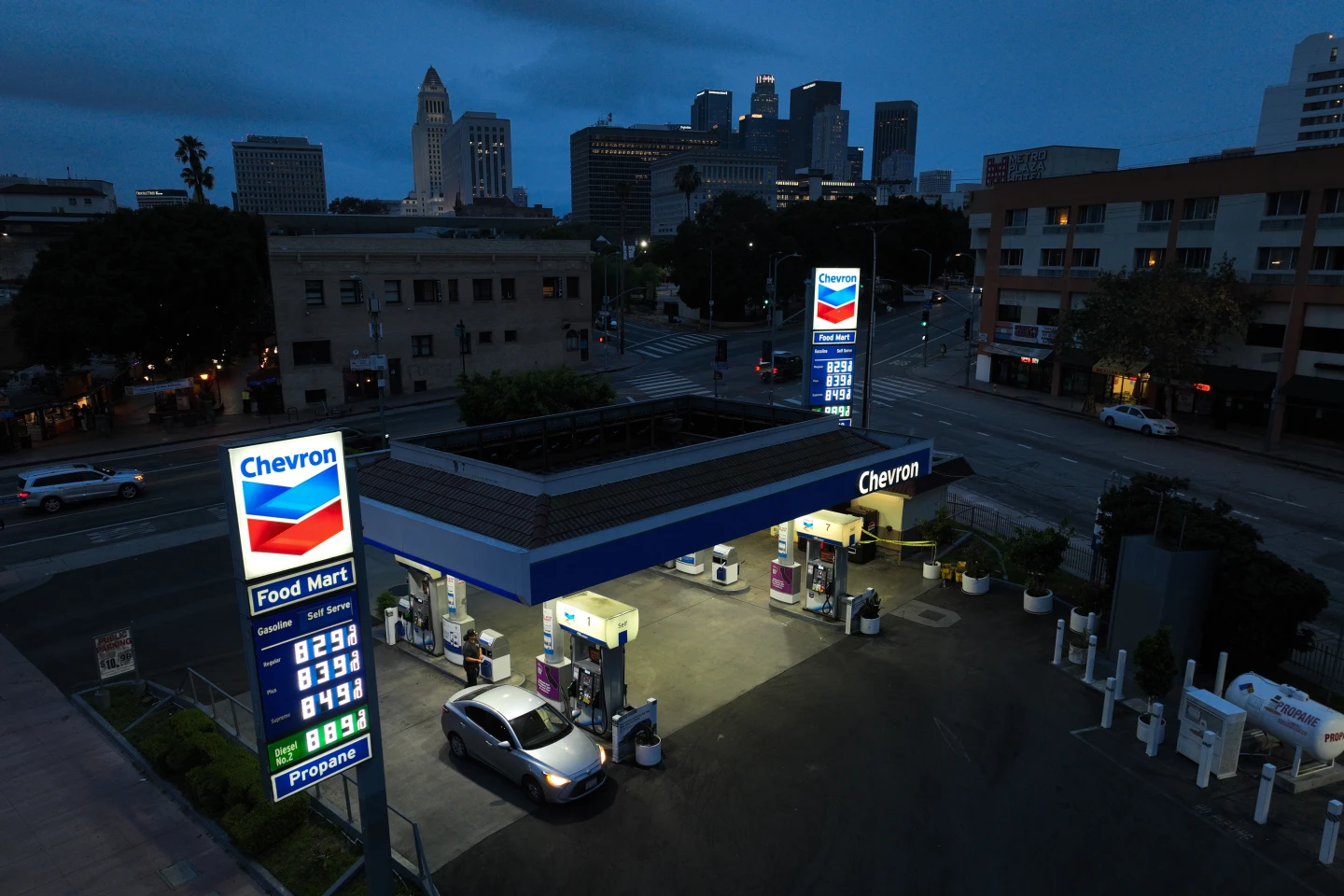
A significant factor influencing price differences across various states and municipalities includes state-level taxes. For instance, California’s gas taxes were approximately 71 cents per gallon last year compared to just 9 cents in Alaska. This discrepancy underscores how local policies can substantially impact overall expenses for consumers.
Despite increased prices at the pump, retailers often find themselves scrambling to adjust their pricing models, with significant delays negating the benefits to their margins. This creates an arduous landscape where elevated prices lead to reduced consumer spending power, impacting overall sales inside gas stations as people focus on purchasing only the essentials.
Ultimately, while the retail segment of the market sells millions of gallons each day, their profits typically are not affected positively during such price rises, indicating an overarching issue within the gas supply chain that is struggling to align with market demands driven by external factors.