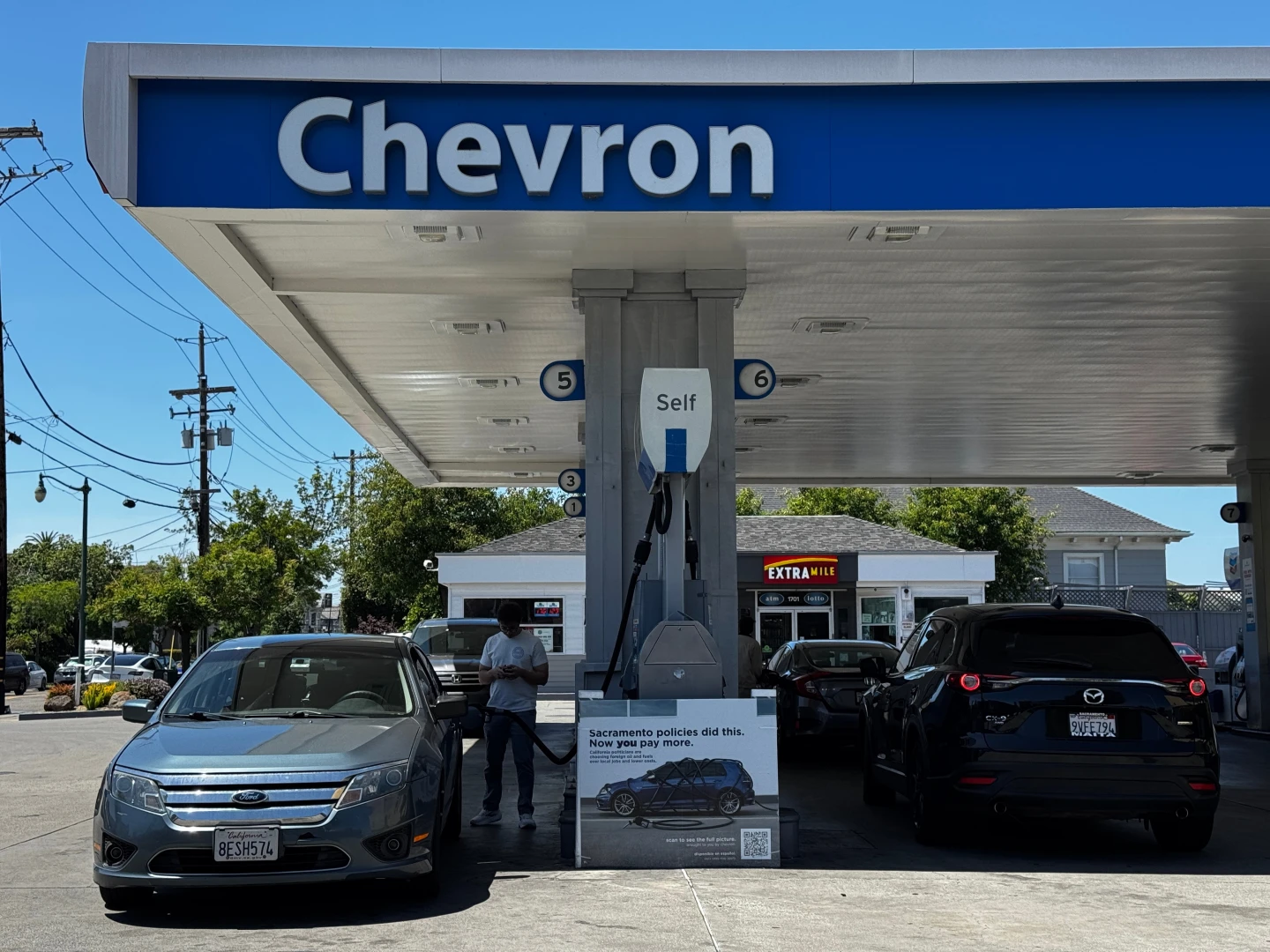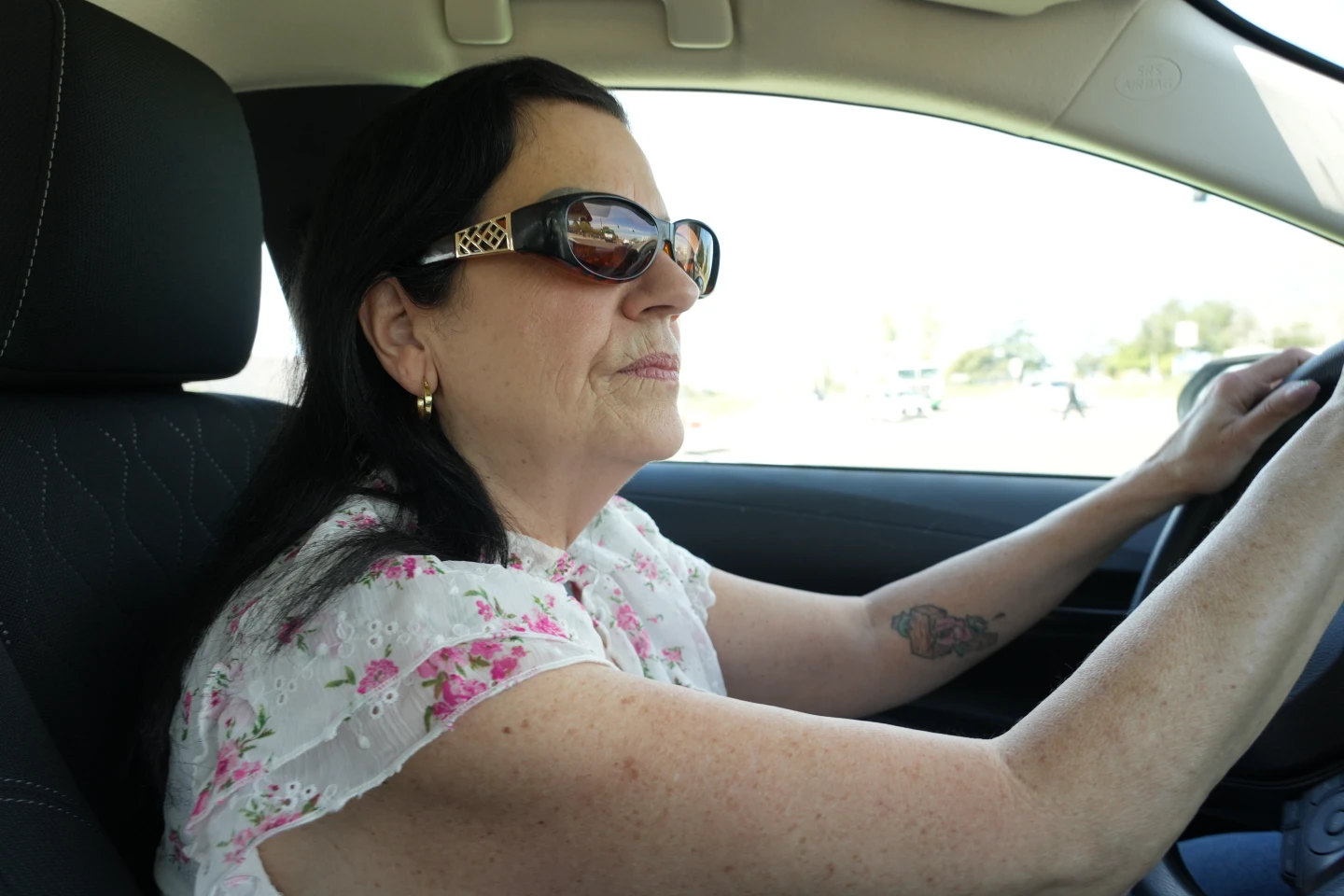
Leslie Sherman-Shafer, an Uber driver in the San Francisco Bay Area, emphasizes the importance of starting each shift with a full tank of gas. Following the upheaval related to the Iran war, she now spends nearly $40 to fill her Toyota Corolla, up from around $25. As a retired dental office assistant, she drives for Uber five days a week to supplement her income, but rising gas prices are forcing her to take on more work.
We don’t get reimbursed for gas. We rely on the generosity of the tip,” Sherman-Shafer remarks, noting that while some passengers have increased their tips to offset higher gas costs, many riders still do not tip at all.
For many Americans, driving is a daily necessity. According to the U.S. Bureau of Labor Statistics, about 27% of civilian workers reported that driving is a physical demand of their job. This is particularly true for self-employed individuals such as electricians, nannies, home health care aides, and real estate agents, as well as ride-share drivers like Sherman-Shafer.
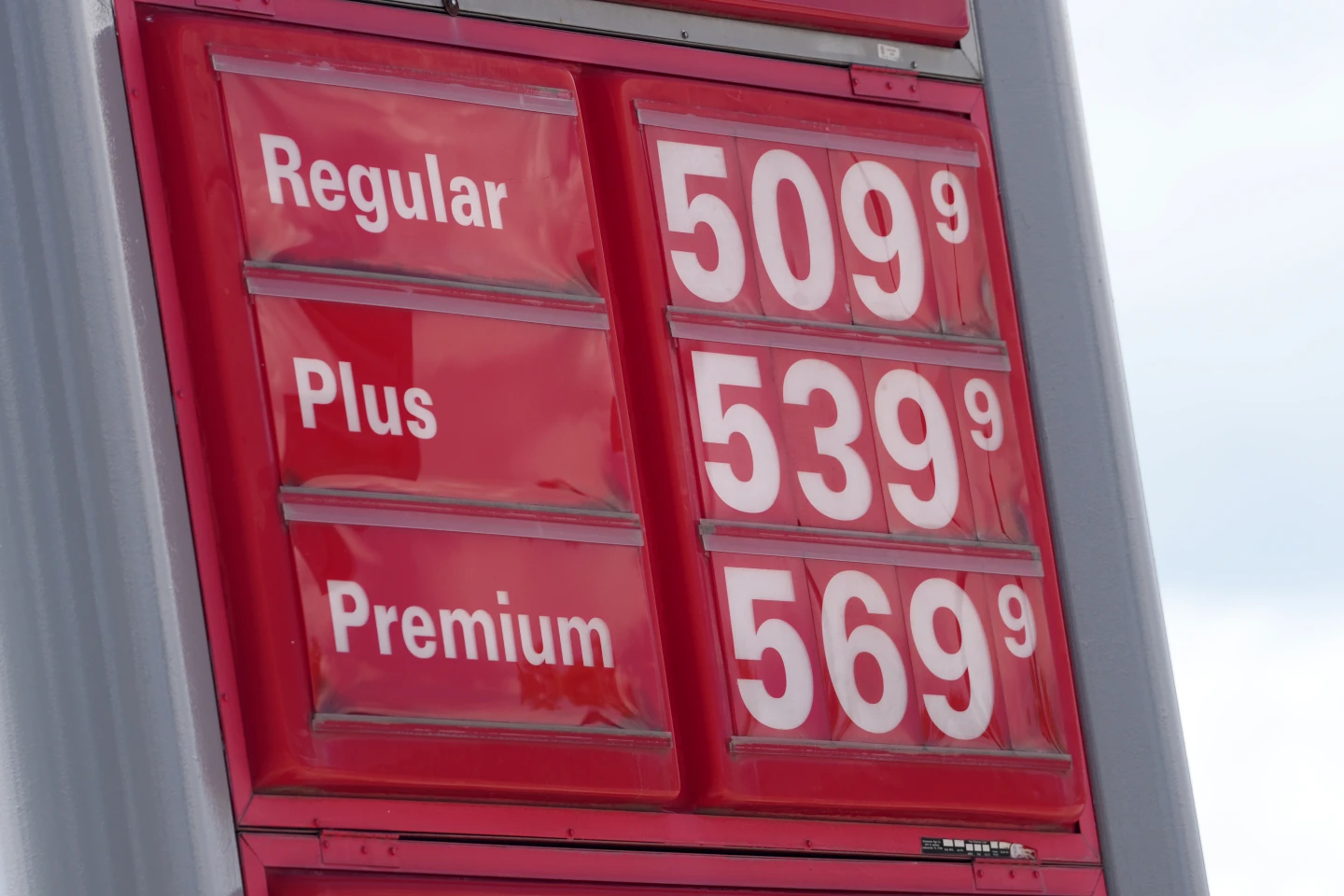
As the situation escalates in Iran, the national average price for gas in the U.S. has surged to $3.99 per gallon. This is an alarming increase of 34% compared to just a month prior, as reported by AAA. The growing fuel prices are wreaking havoc on the budgets of workers across the nation.
With everything going up, it’s impossible to save a dime,” mentions Sherman-Shafer.
While companies such as Alpine Maids in Denver provide mileage reimbursements for employees using their personal vehicles, many gig workers face added pressures from rising fuel costs without sufficient compensation. Chris Willatt, the owner of Alpine Maids, stated that with gas prices approaching new heights, their cleaning staffs are feeling significant strain.
Our maids drive their own cars, so it’s kind of like their paycheck got smaller,” Willatt explained, reassuring that he might need to reevaluate their service prices to accommodate workers’ needs.
Similarly, Molly Kenefick, who runs Doggy Lama Pet Care in Oakland, has recently raised her gas reimbursement rate in reaction to escalating fuel costs. Despite this adjustment, she is cautious about raising prices too high, fearing it could lose clients during challenging economic times.
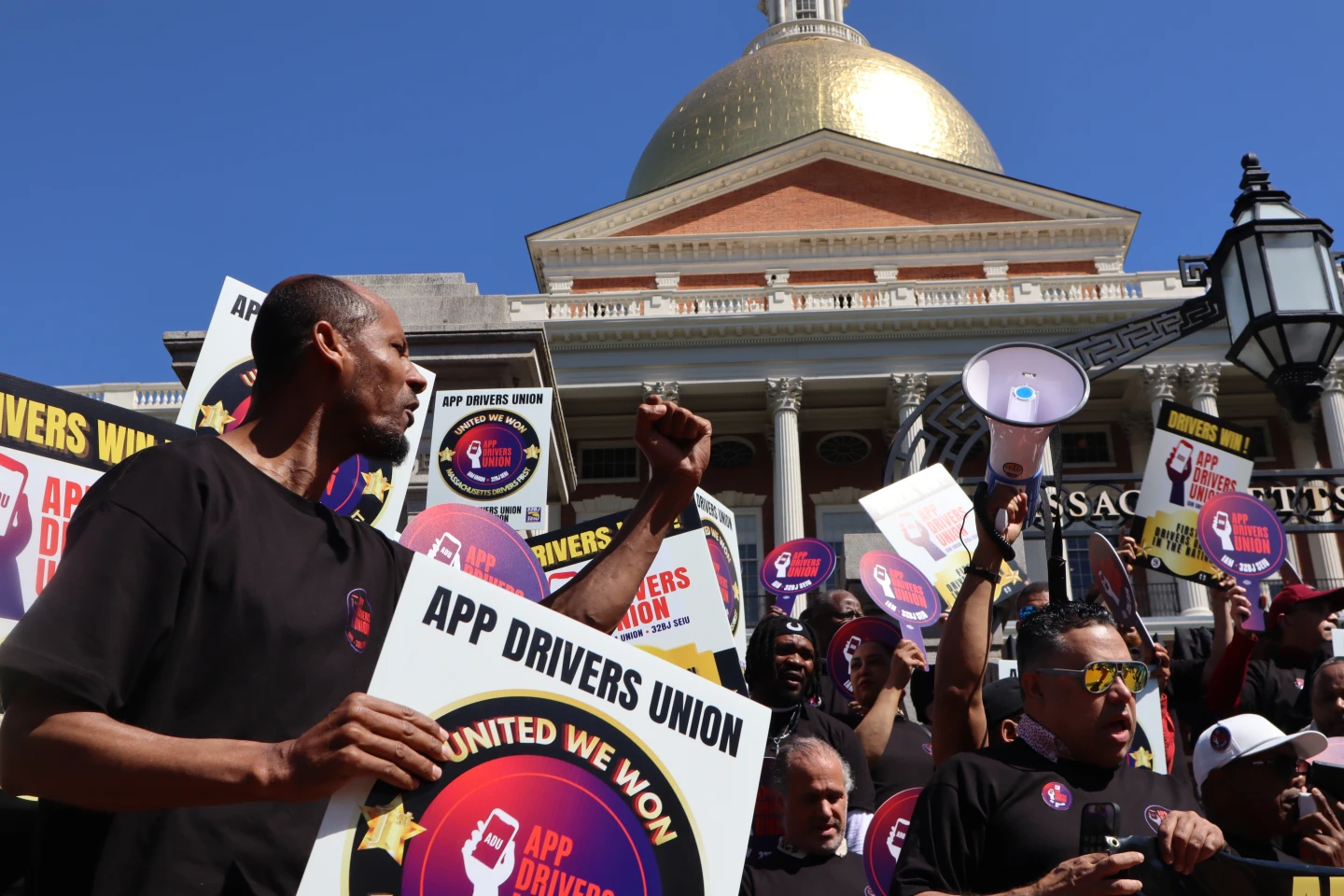
Gig economy platforms like DoorDash and Uber have started offering temporary incentives for drivers struggling with higher gas prices. Some workers, like Sarah Noell, a DoorDash driver, have turned down low-paying orders in an effort to maintain their profitability amidst the financial pressure of increased fuel costs.
With diesel prices rising dramatically as well, commercial drivers in various countries are voicing their dissatisfaction and taking action to protest soaring costs, indicating that the ripple effects of global events can profoundly affect local economies.