Russian Shadow Fleet Tanker Flies Through English Channel After Smyrtos Incident
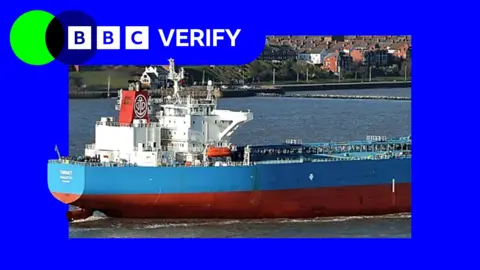
On 20 June, a Russian‑flagged tanker known as Forwarder entered the English Channel, the first such movement since British forces boarded the smuggler Smyrtos earlier that month.
Forwarder departed from Primorsk following a fueling operation at Russia’s largest Baltic Sea refinery. Satellite records show the ship was heading for China’s Dongying port while broadcasting that destination.
The vessel is part of Russia’s “shadow fleet” – a covert network of hundreds of aging tankers that conceal ownership to circumvent Western sanctions. These ships transport a significant share of the nation’s oil, supporting both its economy and its military campaigns.
UK officials declined to identify Forwarder or discuss specific tactics, citing the sensitivity of potential actions. Nevertheless, ship‑tracking data displays the presence of HMS Tyne close to the tanker’s position.
Forwarder has been sanctioned by the UK, US and EU since 2025 for alleged unregistered flagging and illicit oil transport. Following the Smyrtos seizure, many sanctioned vessels altered course, with a notable influx choosing routes around the western Irish coast.
The incident highlights a broader pattern: after Prime Minister Keir Starmer’s 2024 declaration that the UK could board sanctioned vessels, analysts caution that direct boarding of Russian‑flagged vessels would represent an escalation. The Royal Navy and French forces are unlikely to interdict Forwarder, but remain vigilant.
Satellite imagery of the Forwarder’s departure and subsequent movement offers concrete evidence of covert operations. Analysts note how the “shadow fleet” uses opaque ownership structures to mask true flagging, complicating enforcement.
As tensions persist, the English Channel remains a focal point for maritime monitoring. The Forwarder’s passage may signal renewed adaptability in Russia’s logistics, while underscoring the limits of current maritime enforcement measures.