In brief
After weeks of negotiations, a bipartisan deal in the Senate aimed at funding the Department of Homeland Security fell apart, as House Speaker Mike Johnson criticized it fiercely. This setback has intensified the challenges facing congressional leaders in finding a solution to the ongoing partial shutdown, particularly concerning immigration enforcement and other urgent legislative priorities.
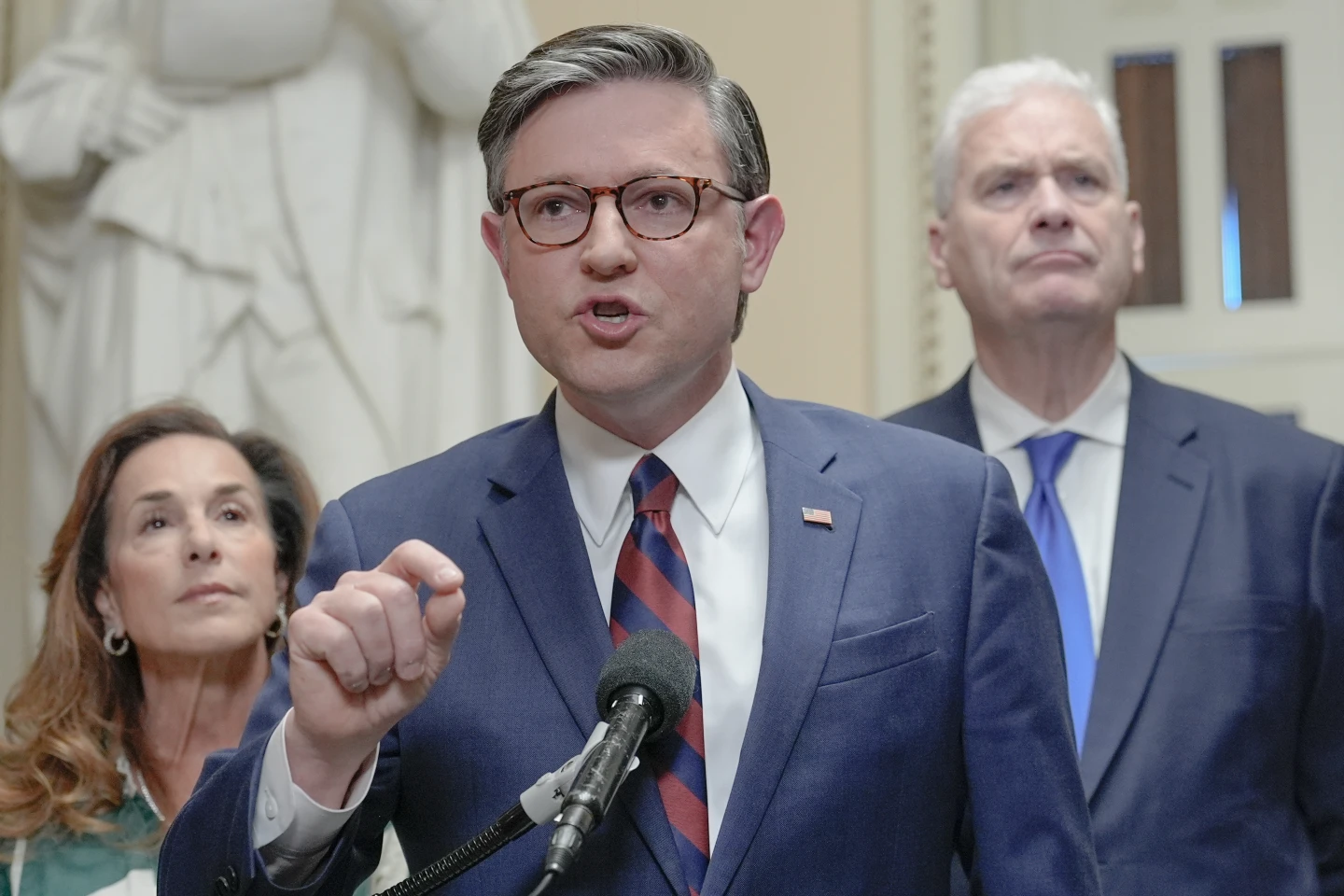
WASHINGTON (AP) — The Senate's efforts to find a solution for the funding of the Department of Homeland Security (DHS) came crashing down on Friday, with House Speaker Mike Johnson objecting to a deal supported by Senate Republicans. In a dramatic response, Johnson called the bipartisan agreement a 'joke,' effectively sidelining the legislative progress that had appeared promising earlier that day.
After weeks of negotiations led by Senate Majority Leader John Thune, the proposed deal aimed to satisfy both Republican and Democratic concerns but ultimately did not include funding for critical immigration enforcement agencies such as U.S. Immigration and Customs Enforcement and the U.S. Border Patrol. Johnson expressed his determination to protect House interests, reflecting broader tensions within the GOP as they grapple with a partial government shutdown that has persisted since mid-February.
This turn of events highlights a fracture between Republican leaders, as Thune suggested the deal was an opportunity to get significant portions of the government operational again, while House Republicans swiftly reacted against the Senate's decision. Representative Nick LaLota voiced dissatisfaction with the Senate’s perceived lack of commitment, accusing them of shirking their duties.
Now, as Congress prepares for a two-week recess, the path forward remains uncertain. With Trump’s stringent agenda looming over the Capitol, particularly regarding voting laws, Republican leaders face increasing pressure to reach consensus amidst fractious party divisions. The failed deal has left Democrats reiterating that the ongoing shutdown rests on House Republicans, as they further strategize on managing their political narratives leading up to the elections.
Amidst this political landscape, all eyes will be on the future engagements between chambers, as moderates like Rep. Brian Fitzpatrick lamented the lack of communication exacerbating the gridlock, calling for greater collaboration to resolve the funding crisis.