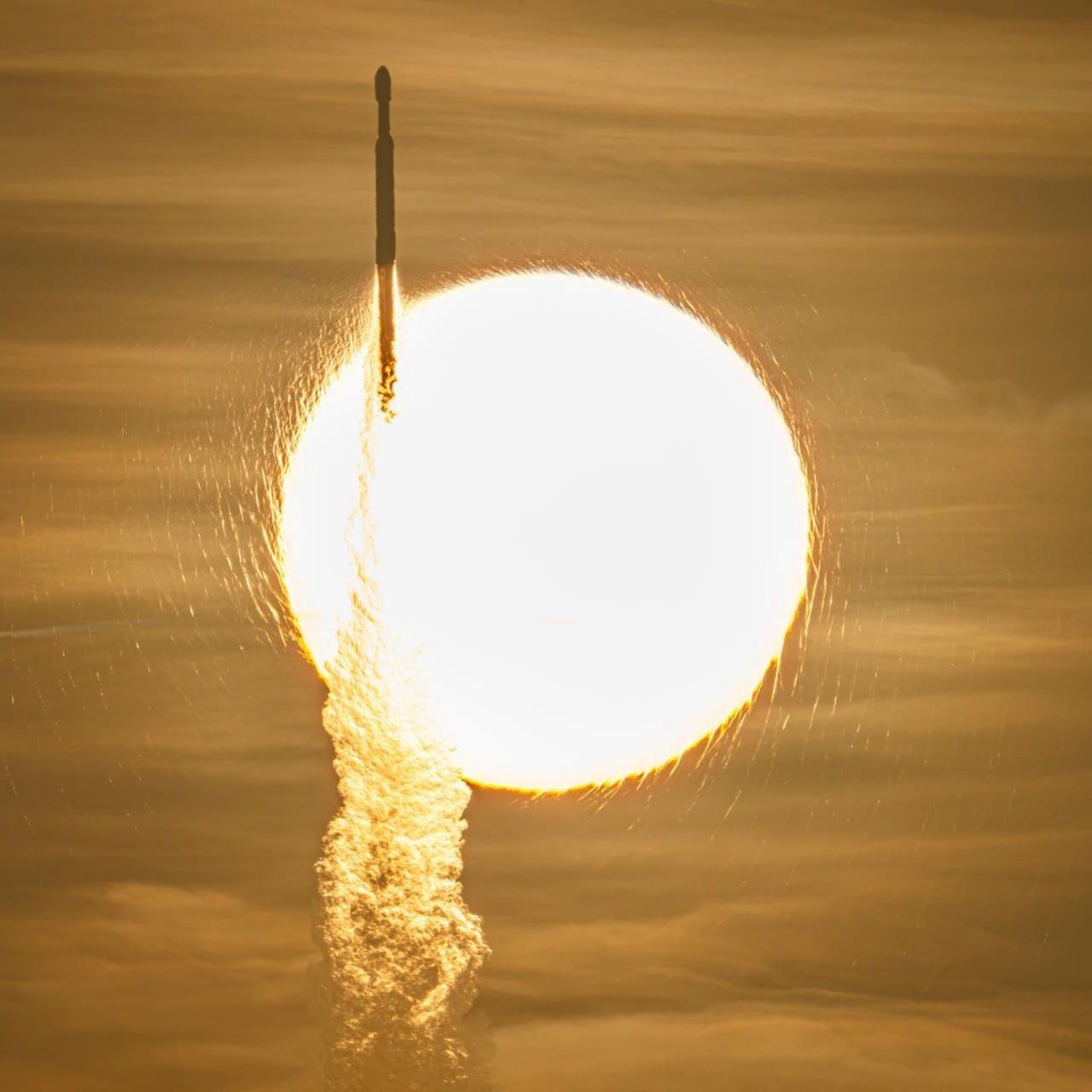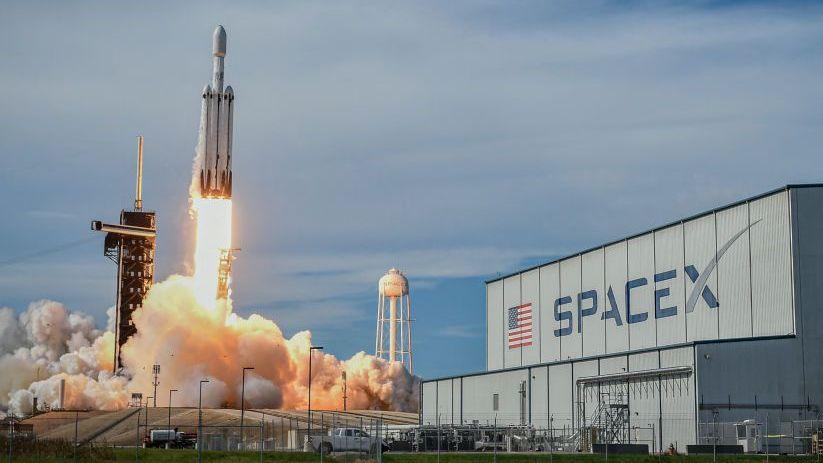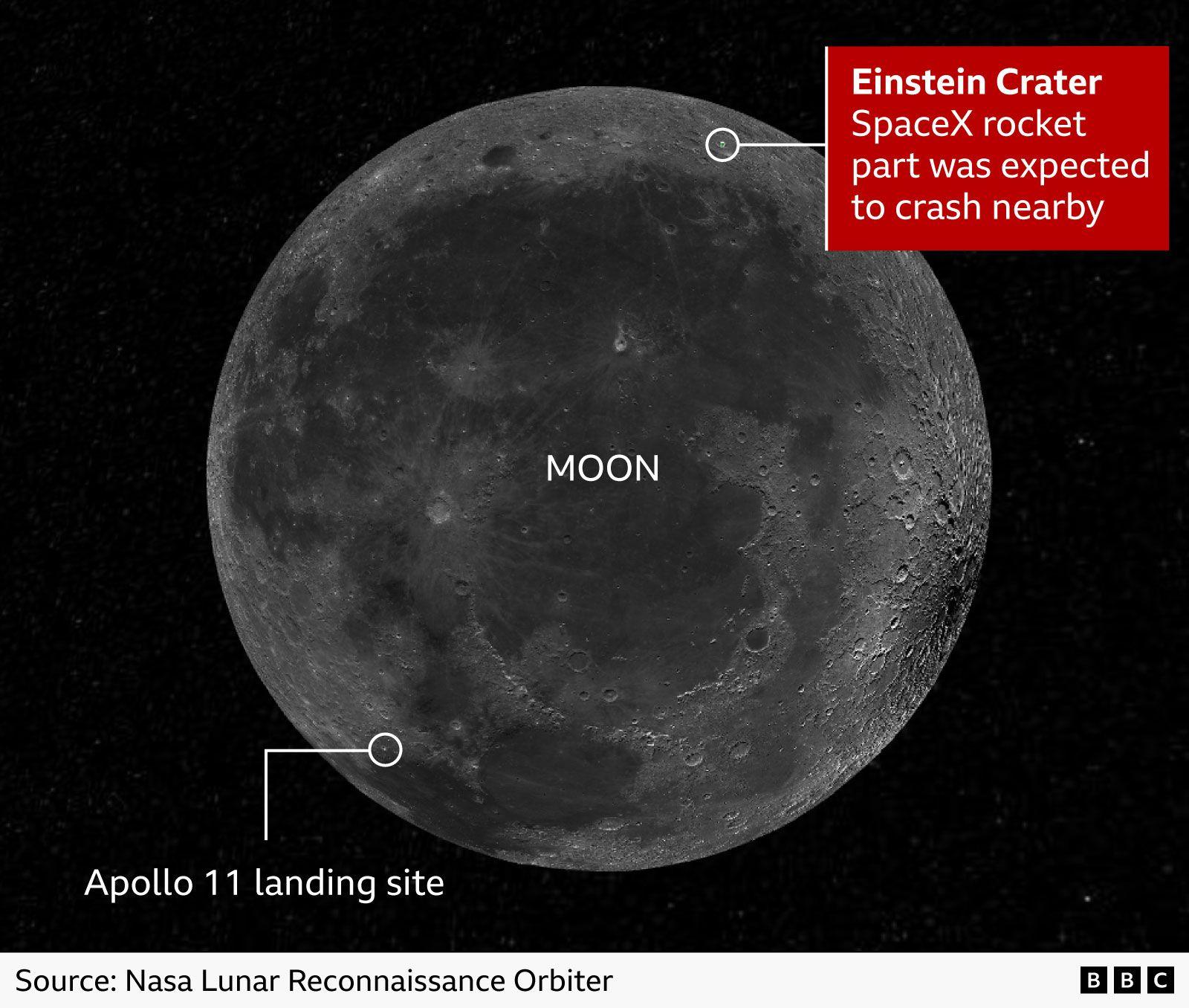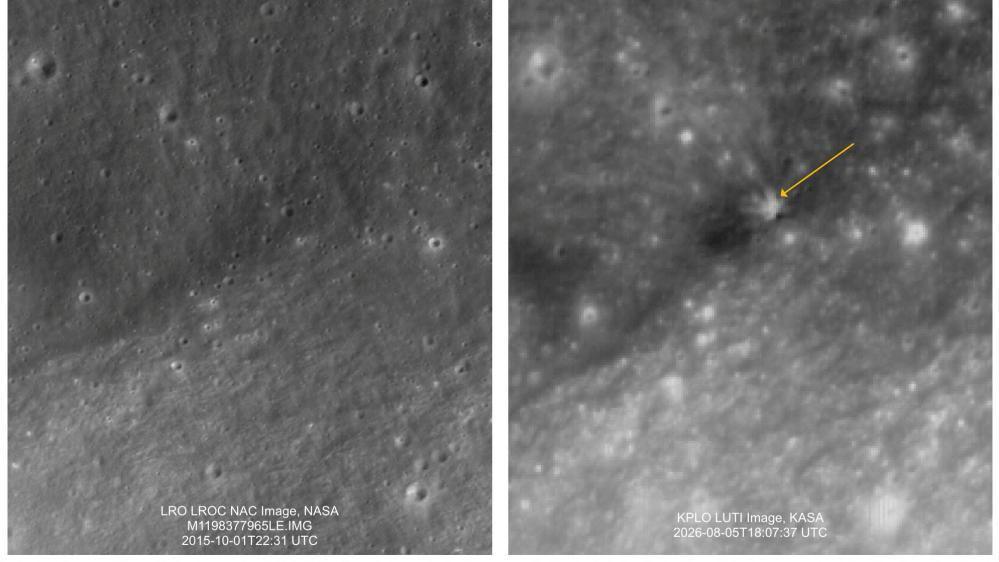
South Korea’s space agency has captured new images of the Moon’s surface after a fragment of a SpaceX Falcon 9 rocket impacted the lunar terrain on Wednesday.
\According to the Korean AeroSpace Administration (KASA), orbiter Danubri recorded the impact and subsequently shared photographs of the Lunar surface both before and after the event. The debris event occurred at about 06:35 GMT and was not intentionally aimed at the Moon, as confirmed by SpaceX.
\The fragment involved was the upper stage of a Falcon 9 rocket, designed for reusable missions. These upper stages often separate after launch to reach their destination; in this case the stage drifted in a natural orbit that eventually led it to the Moon.
\Analysts note that the upper stage is roughly the size of a five‑storey building and weighed around 4,000 kg on Earth. Its collision with the Moon, while not a danger to Earth, provides data on impact dynamics and adds to the growing catalogue of space debris.
\“Space is getting more and more crowded,” said Matt Bothwell, an astronomer at the University of Cambridge. He cautioned that within a few decades, “it could be quite hard to get past Earth’s orbit because space is so crowded.”
\KASA’s observations were made possible by ground‑based and orbital instrumentation capable of spotting the brief flash that generated by the collision, which would have been almost invisible even with high-end telescopes.
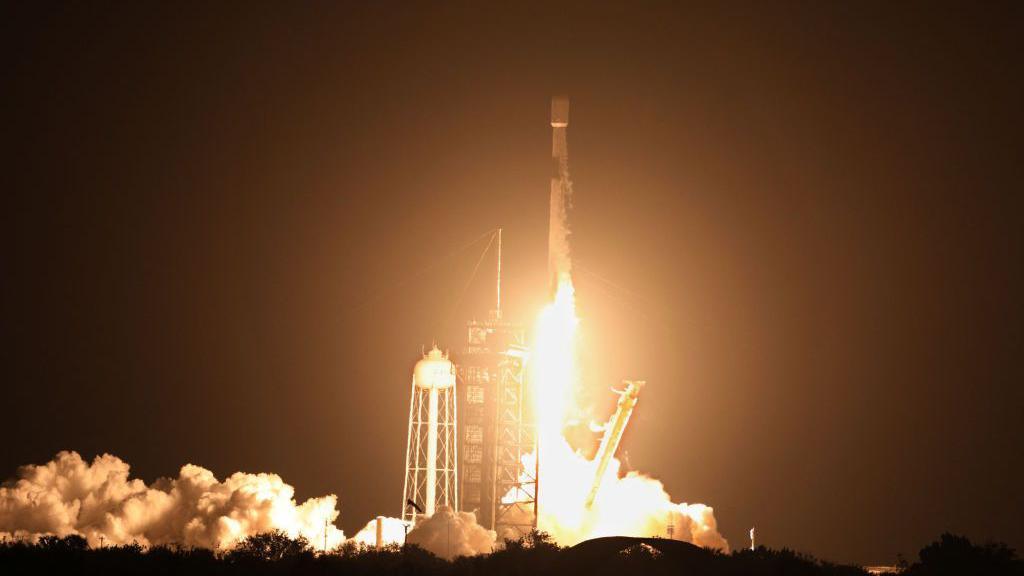
\SpaceX has reiterated that the event was accidental. The same Falcon 9 booster that carried two lunar landers in January 2025 is slated for its 18th flight on 10 August, aimed at deploying 29 Starlink satellites into low‑Earth orbit.
\While the impact does not pose a threat to Earth, the incident adds to the broader conversation about responsible use of space assets and the importance of monitoring orbital debris to safeguard future missions.
\