In brief
The recent catastrophic collisions involving high-speed trains in Spain have sparked a national crisis, shattering the once-sterling reputation of the country's rail service. As citizens mourn the victims, calls for an overhaul of safety measures and infrastructure investments grow louder.
In just a few days, Spain's rail system has faced an unexpected tragedy. This past week, two high-speed trains collided in a devastating accident that has resulted in the loss of 45 lives, shaking the foundations of what was once viewed as one of the world's leading rail systems.
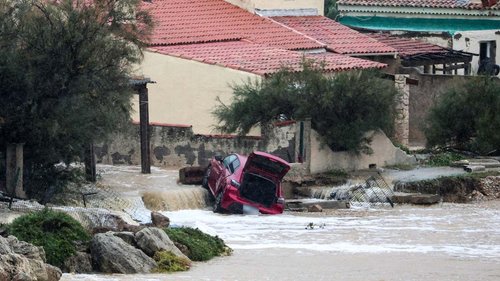
Alberto Montavez Montes, a local shop owner in Córdoba, expressed the collective sentiment, stating, Since the high-speed line was built, 30-something years ago, we never had any problems. It worked perfectly and was fantastic. However, he added, it does make you just a bit reluctant to get on a train, without a doubt. This incident, combined with a subsequent accident where a train derailed in Catalonia due to a wall collapse in heavy rain, has caused Spaniards to question their once-unwavering faith in the rail network.
Spain is renowned for its high-speed rail system, the second-largest globally, boasting 3,900 km (2,400 miles) of track. The efficiency and safety of Spain’s rail services have historically drawn admiration, even receiving praise from international figures like former President Barack Obama. However, the current crisis has resulted in a dramatic shift in public perception.
Authorities have reported that the collision occurred when the back three carriages of a train operated by Iryo derailed at high speed and collided with an oncoming Renfe train. This disaster raises serious questions about the maintenance of railway infrastructure and highlights growing public concern over safety issues—especially as incidents of late trains and technical problems have sharply increased over recent years.
Public response has become vocal on social media platforms, with many sharing their fears and experiences reflecting on the deterioration of service quality, especially on the high-speed network. Train drivers in Catalonia initiated a work stoppage, demanding better safety measures after the recent collisions, while the Semaf union has called for a nationwide strike next month over what they describe as a constant deterioration of the rail network.
Additionally, reports suggest a rising trend in infrastructure neglect, with Spain evidently falling behind its European counterparts in per capita spending on rail systems. In contrast, the government defends its investments, pointing to €700 million spent on improvements on the Madrid-Andalucía line as evidence of ongoing commitment to rail safety. Yet, the opposition parties have criticized the government's transparency and accountability in the wake of these tragic incidents.
As investigations into the crashes continue, the national discourse has shifted toward examining the sustainability, reliability, and safety of Spain's railways, once a point of national pride. Prime Minister Pedro Sánchez has recognized the irreparable damage caused by the accidents but asserted that the high-speed rail network is still a source of pride for Spain. The nation, however, now finds it challenging to hold on to that sentiment in the aftermath of such tragedies.