Spain’s Pedro Sánchez Calls Early Election Amid Housing Crisis Fallout
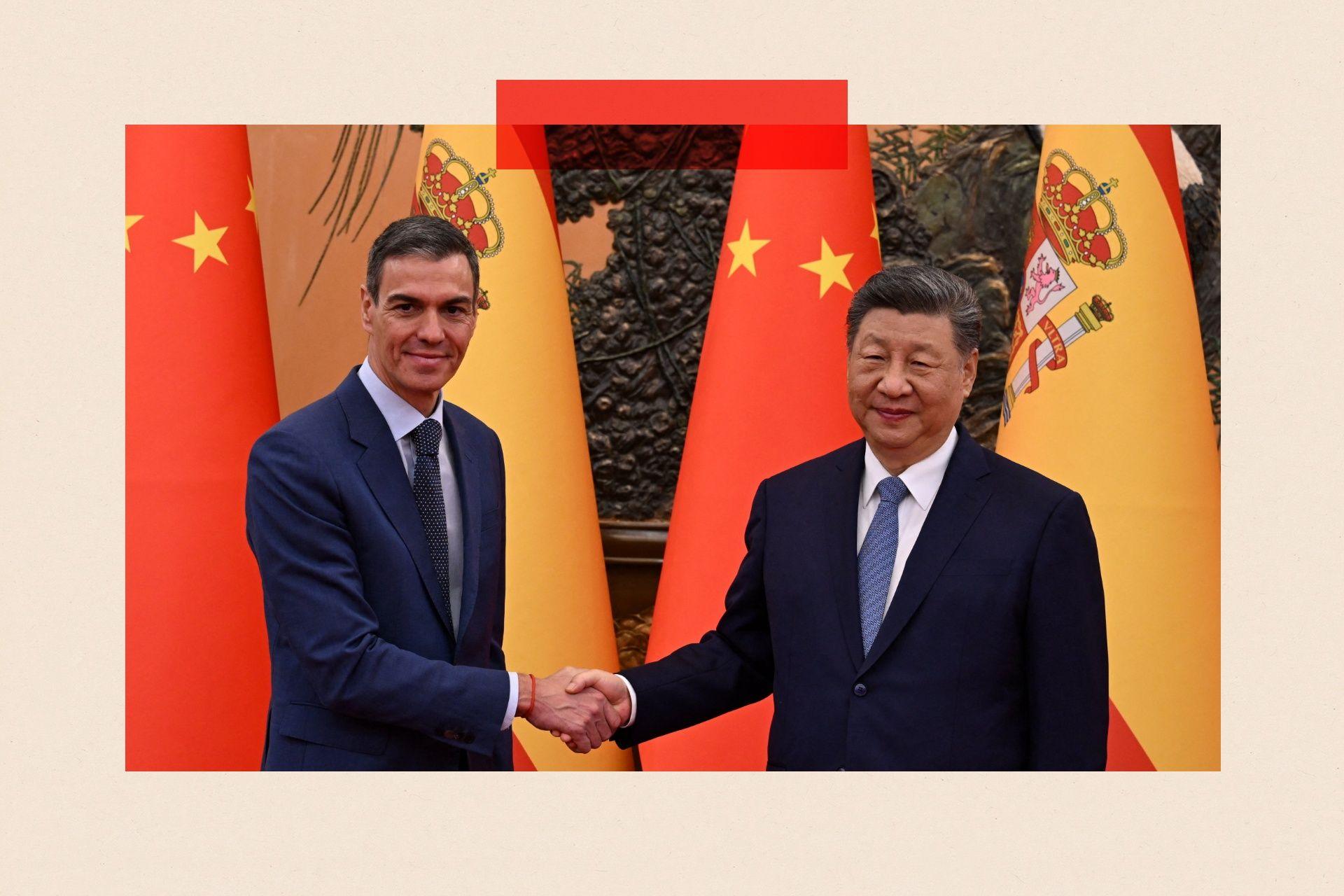
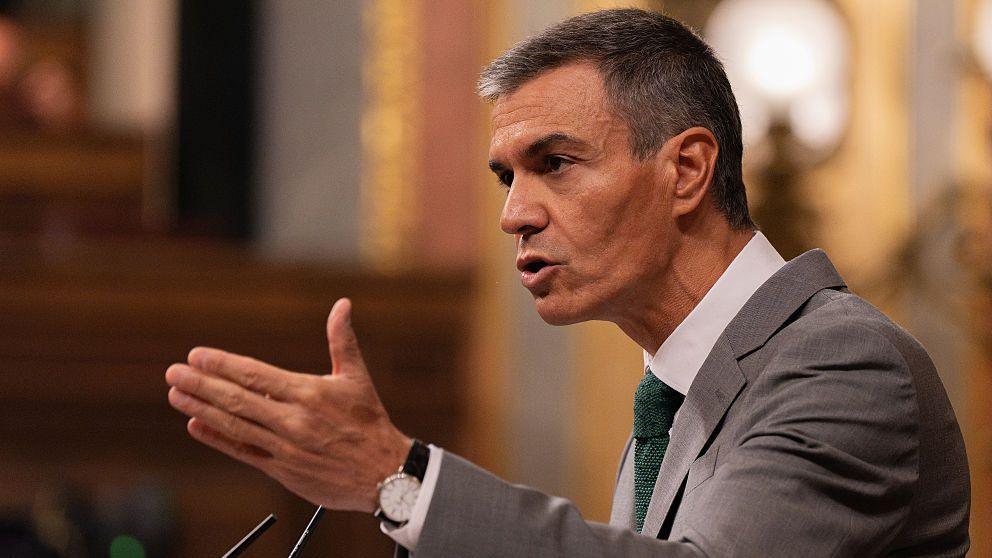
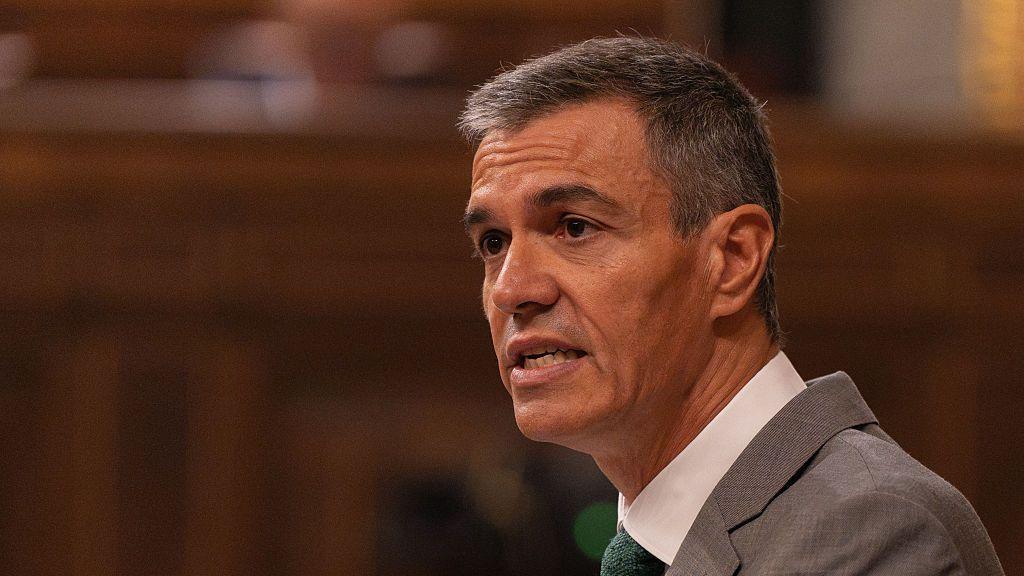
Spanish Prime Minister Pedro Sánchez has announced an early election for 29 November after two housing‑reform decrees were rejected by parliament and an 87‑year‑old tenant’s eviction sparked nationwide protests.
The move follows a series of policy defeats, including rejection of decree laws that aimed to protect vulnerable tenants from sharp rent hikes, and mounting pressure over a surge in rental prices across the country.
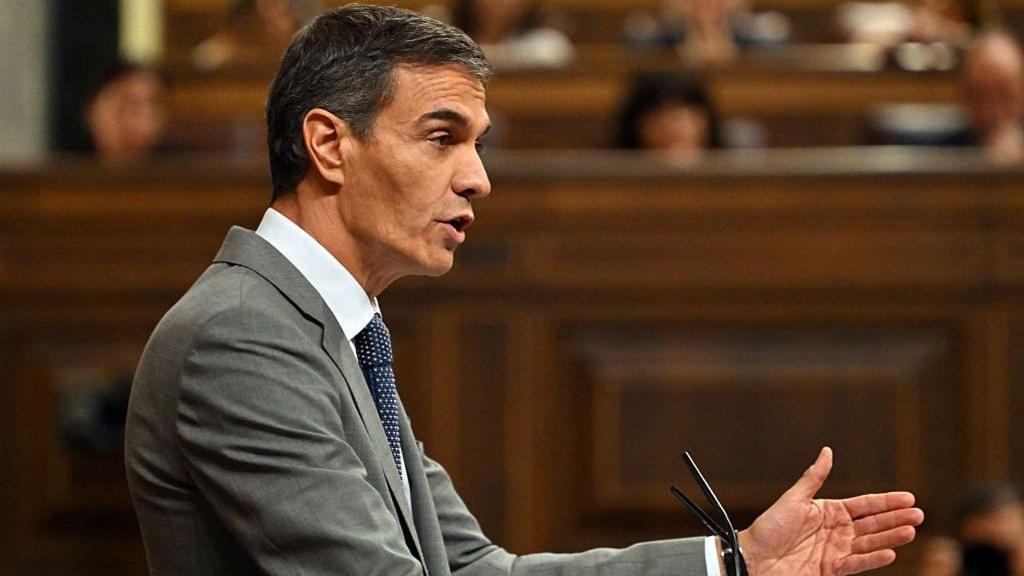
Sánchez told a televised address that to pass reforms he required “a broader progressive majority” capable of overcoming resistance from the elites. He acknowledged his Socialist‑led coalition is short of a parliamentary majority and that further setbacks would “remind us that we still have a lot of work to do” on inequality, public services and housing access.
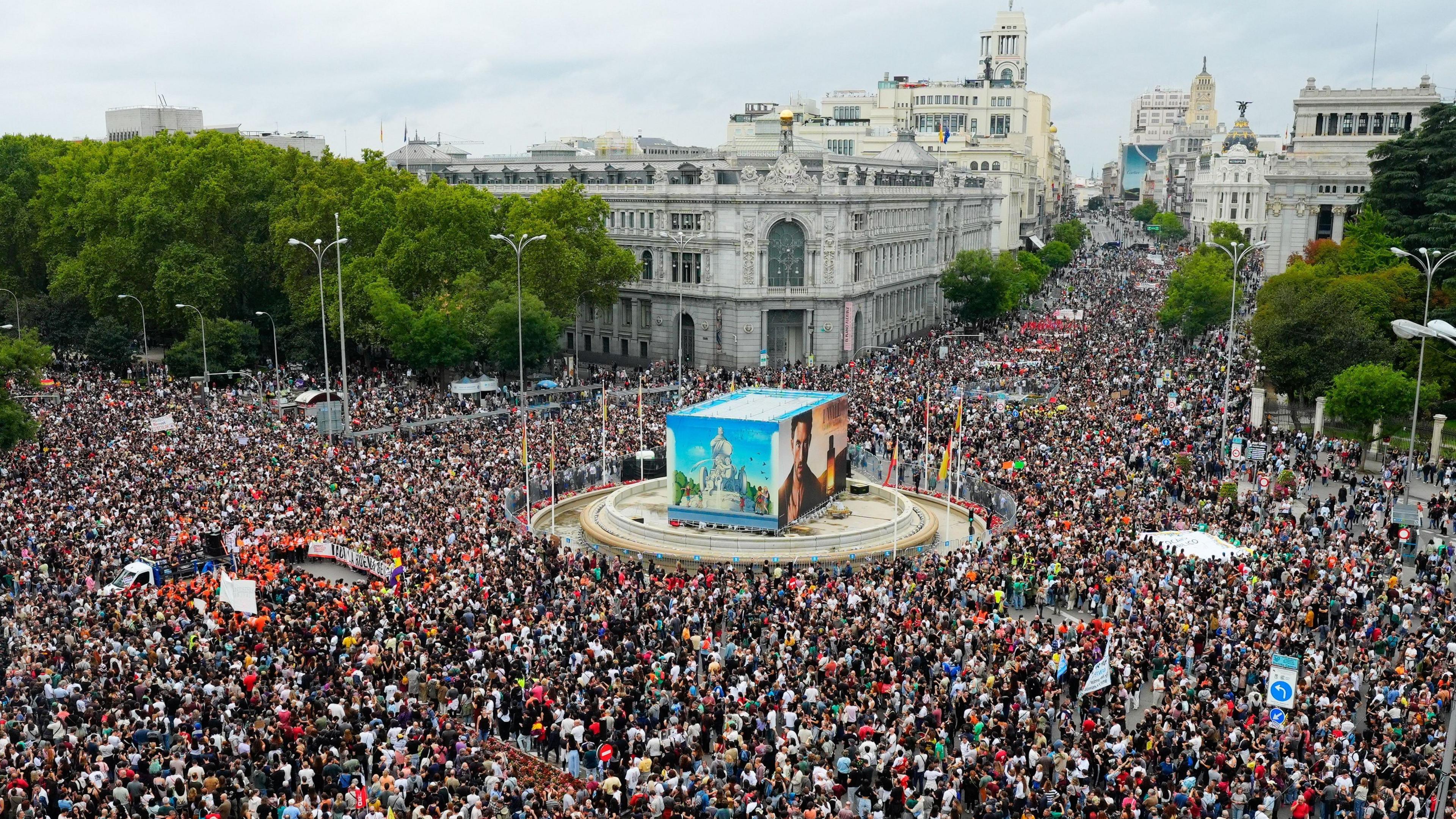
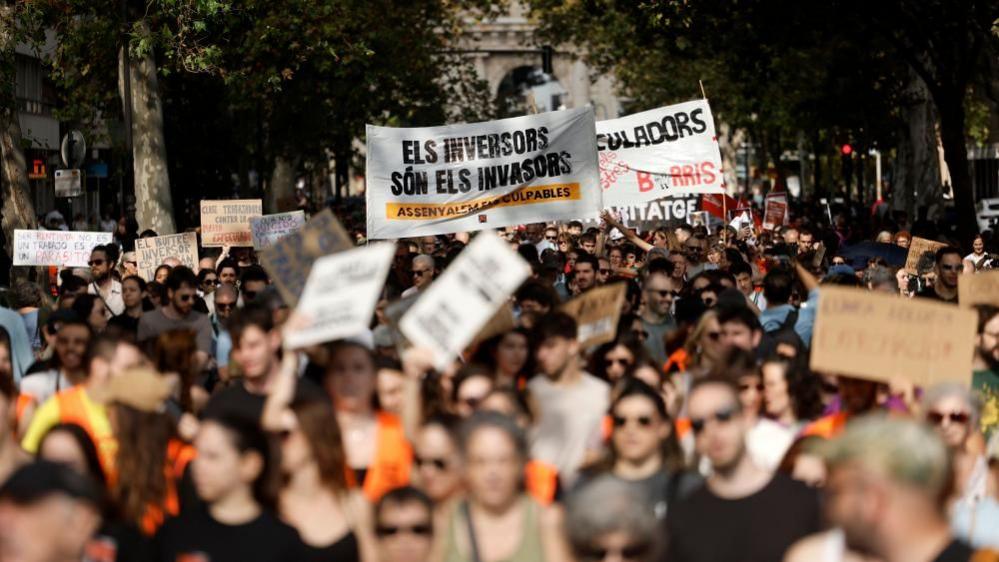
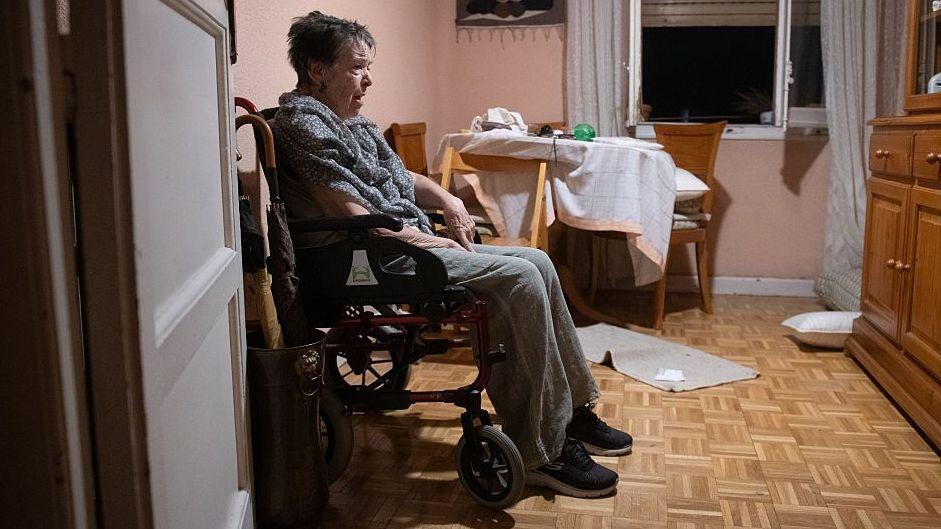
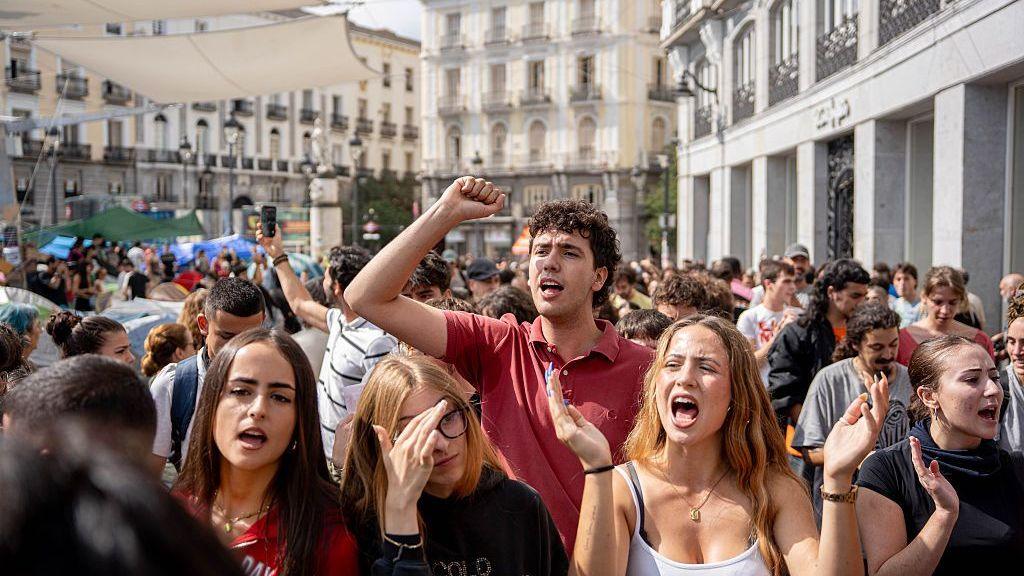
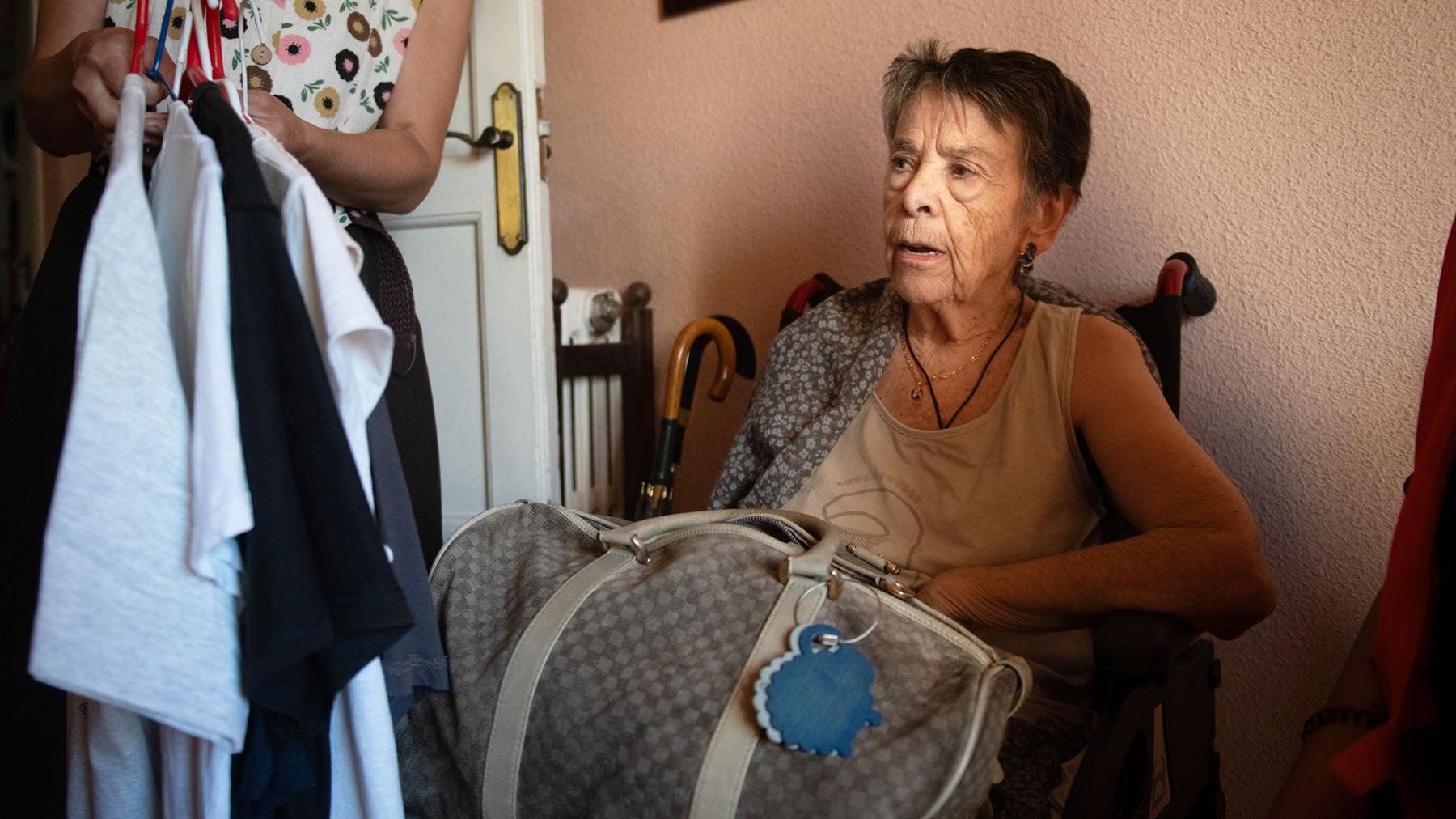
The eviction of 87‑year‑old Maricarmen Abascal from her Madrid home after her rent was raised from €500 to €2,650 (later lowered to €1,650) — twice her monthly pension — prompted her removal on a stretcher and forced her admission to hospital. Her lawyer now says she will be able to return home, while the incident has ignited widespread anger and protests in cities such as Madrid, Valencia and Barcelona.
In response, Sánchez’s government issued two decree laws. The first suspended evictions of vulnerable tenants until 2030, extended rental leases, raised taxes on tourist apartments and limited purchases by so‑called “vulture funds.” The second decree, more controversial, automatically renewed rental contracts, a key demand of tenant unions.
Opposition parties, particularly the conservative People’s Party, criticised the government’s interference, arguing it would reduce available rental homes and inflate prices. Party leader Alberto Núñez Feijóo said, “At last, Spaniards will be able to decide,” while the opposition called the upcoming vote “not just another election, but a chance to choose between decline and change.”
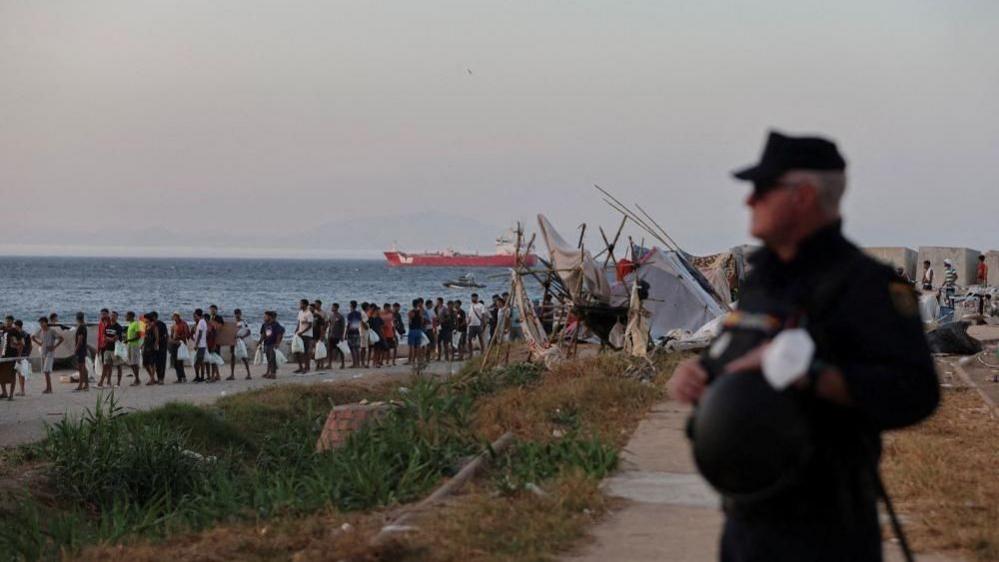
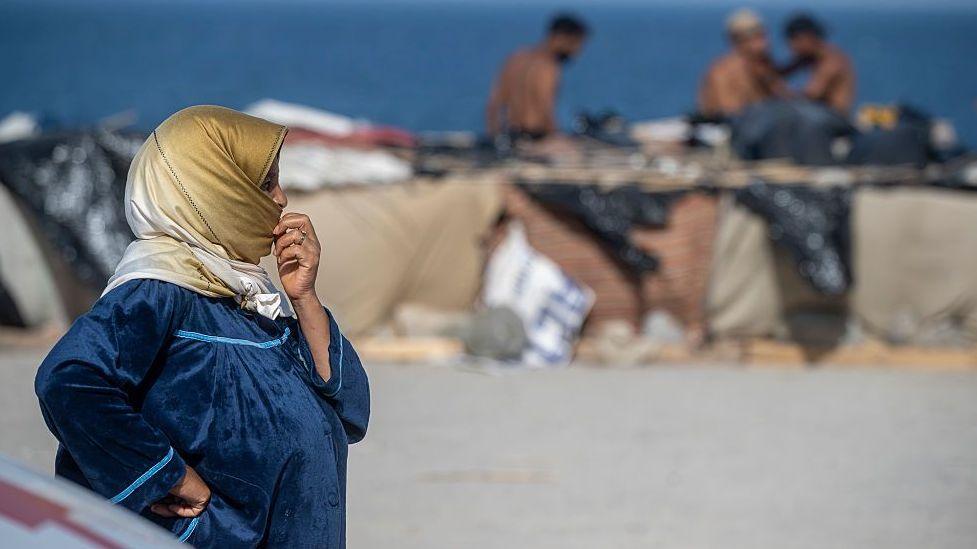
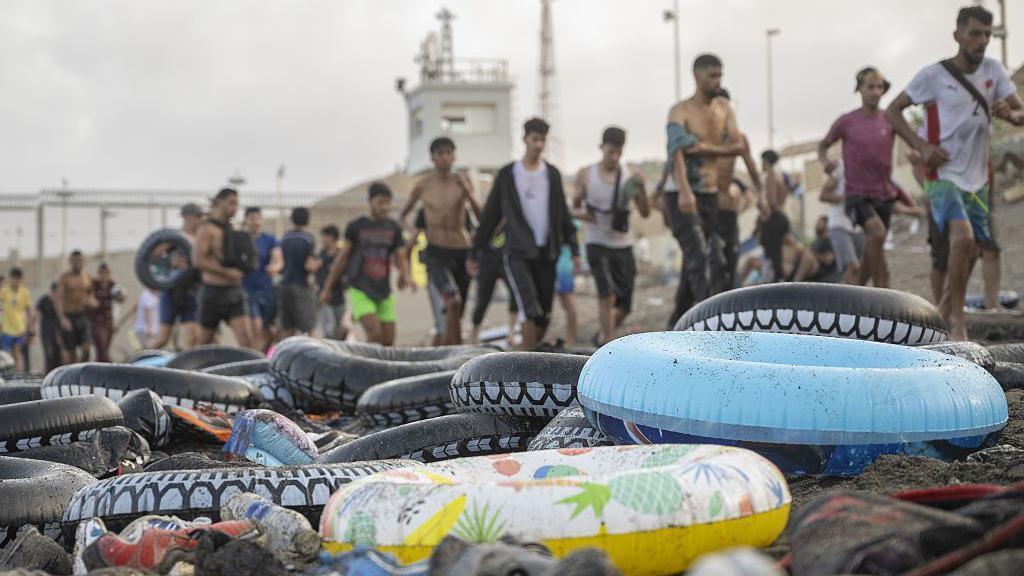
Sánchez’s tenure has been marred by corruption scandals, including charges against his wife Begoña Gómez, a raid on the Socialist Party headquarters, and a 24‑year jail term for former transport minister José Luis Ábalos over COVID‑19 mask kickbacks. He has also faced criticism for handling the Ceuta migration crisis, when thousands crossed into the Spanish enclave from Morocco.
The early election will test Sánchez’s ability to secure a majority and could reshape Spain’s political landscape, as most polls suggest the People’s Party would emerge as the largest party but would need the support of the hard‑right Vox to form a government.