Spain’s Snap Election: Why Pedro Sánchez Called Early Votes
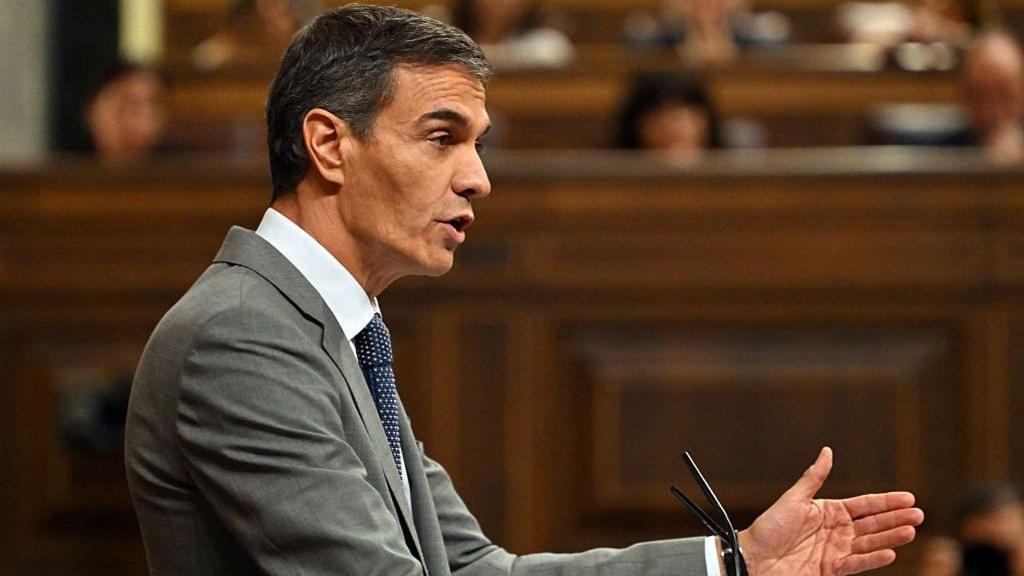
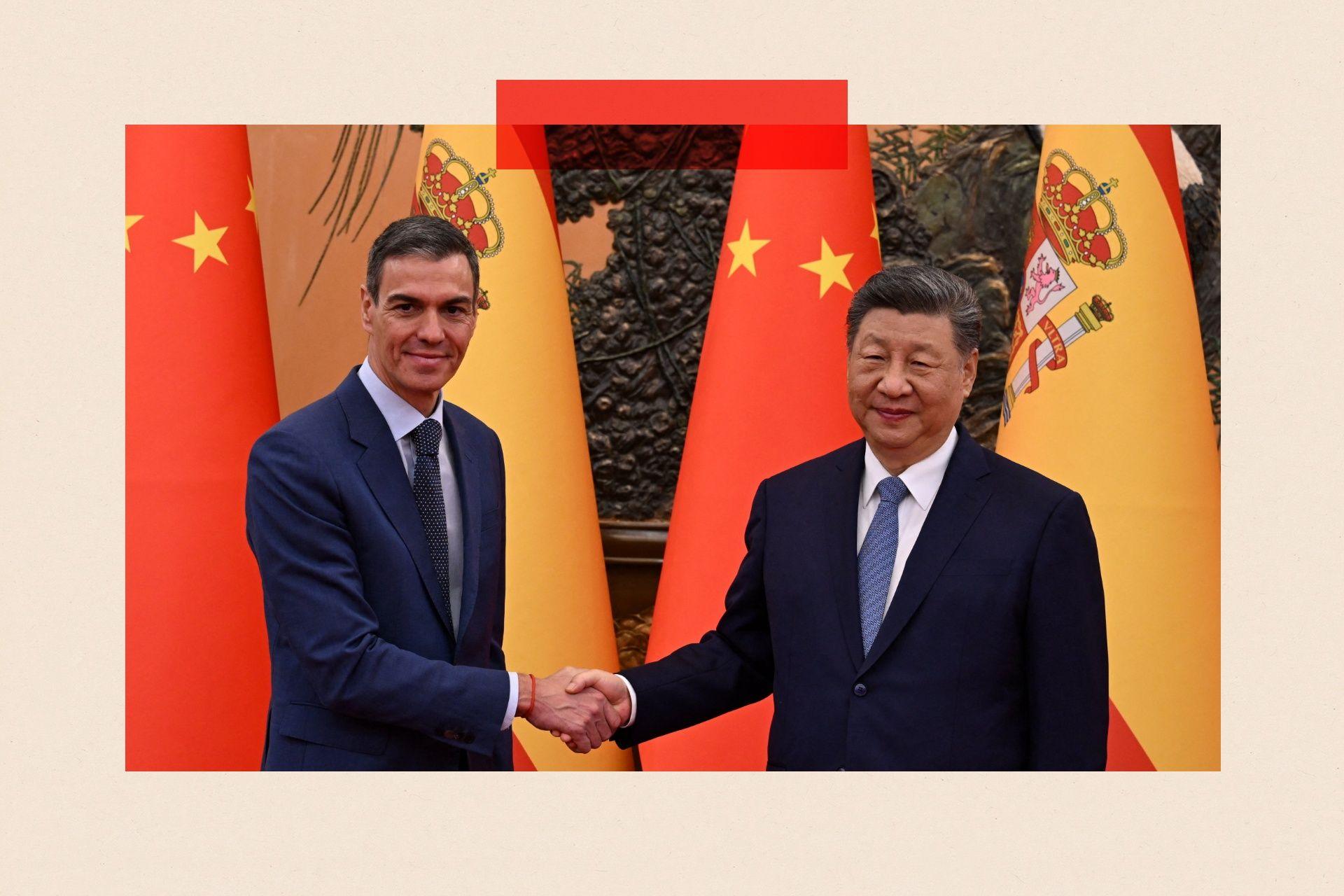
Prime Minister Pedro Sánchez has announced that Spain will go to the polls on 29 November, a decision followed by the failure of his party’s housing reforms to secure a parliamentary majority. The Socialist Party (PSOE) currently governs as a minority and faces an uphill battle once the legislature dissolves.
The rejected reforms have exposed the fragile nature of Sánchez’s coalition, as the People’s Party (PP) has been gaining ground in recent opinion polls. Many analysts predict that the PP will pursue a partnership with Vox, Spain’s far‑right party, to form a new government once the election is held.
In a statement warning of an “extreme‑right wave” observed in other democracies, Sánchez pledged that Spain should remain a global example of peace, feminism and prosperity. He framed the election as an opportunity to defend these values against rising populist rhetoric.
Political observers note that the snap vote could signal a shift in the balance of power. Should the PP and Vox succeed in forming a coalition, the PSOE’s influence could be markedly reduced, prompting questions about the future policy direction for housing, social welfare and labor regulations.
Contextually, Spain is not alone in facing a resurgence of right‑wing forces; similar patterns are evident in Germany, Italy and France. The comparison underscores the broader challenge to liberal democracies worldwide, as traditional social‑democratic parties grapple with internal divisions and public demand for change.
The outcome of the November 29 election will likely determine whether Spain can maintain its progressive trajectory or if a more conservative coalition will redirect the country’s policies. With the political scene still in flux, the nation’s citizens are watching closely to see how their voices will shape Spain’s future.
Follow live coverage of the election announcement on BBC News.