White Genocide' Claims in South Africa: Fact or Propaganda?

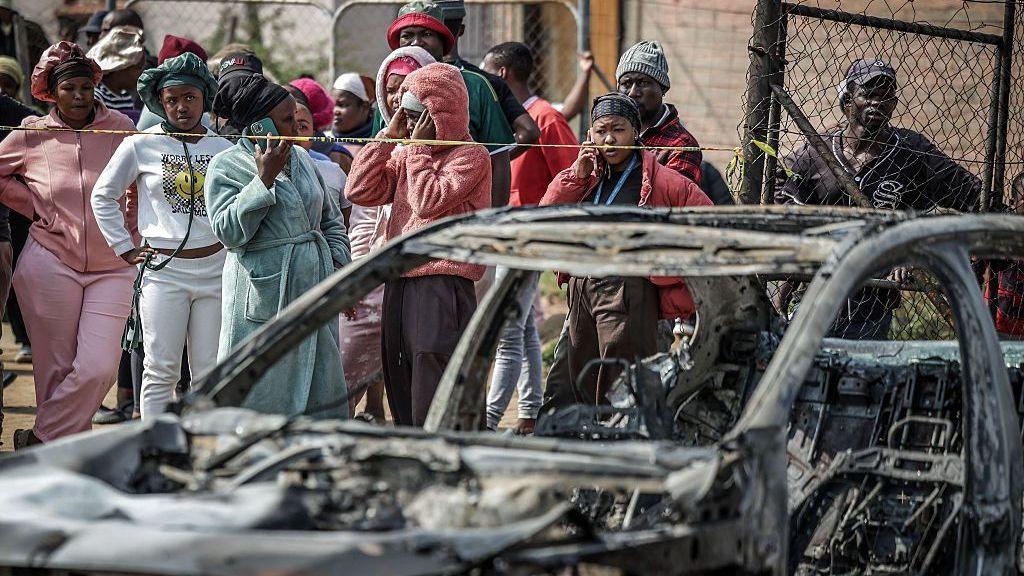
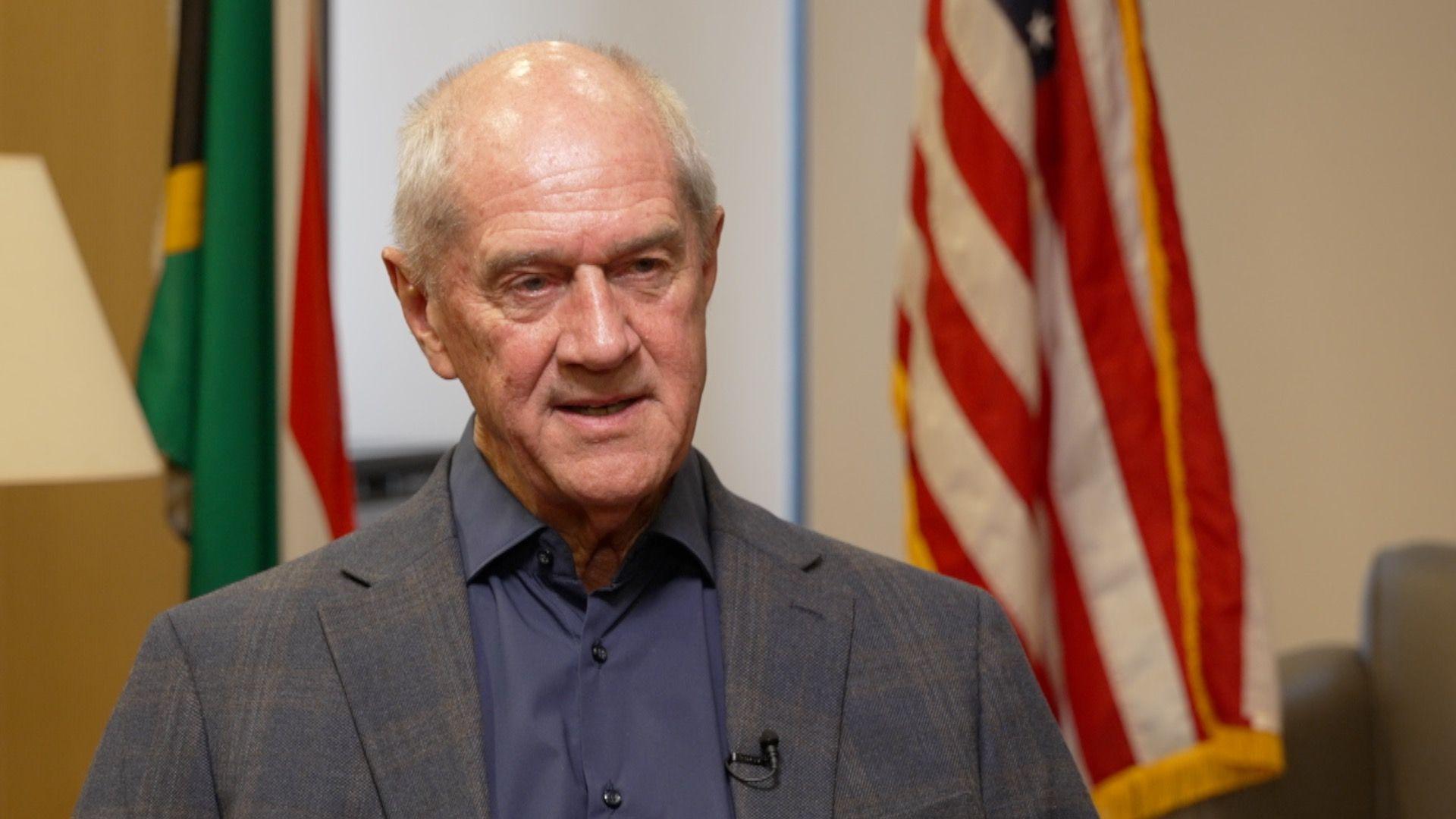
In recent weeks an Afrikaner lobby group has marched on the U.S. National Mall with thousands of white crosses, arguing that white Afrikaners are victims of a genocide in South Africa. New South African Ambassador to the United States, Roelf Meyer, has denounced the notion as baseless. Meanwhile the former Trump administration has drafted a notice to Congress proposing admission of up to 17,500 Afrikaner refugees over the next year, citing concerns about safety.
The Origins of the Allegation
The claim that white residents in South Africa are being systematically targeted emerged on social media in late 2023. It was adopted by some conservative outlets as a rallying cry against what they describe as “white displacement.”
Official Responses
Roelf Meyer stressed that “there is no state-sponsored or widespread violence against white citizens in South Africa.” He referenced the country’s constitutional protections and the fact that emergency laws have never been invoked on the basis of race.
The United Nations Human Rights Office has also weighed in, noting a lack of credible evidence supporting the genocide claim and urging all parties to seek data-driven conclusions.
The U.S. Angle
The Trump administration’s proposed refugee intake is part of a broader strategy to re‑open U.S. borders to groups it characterizes as “at risk.” Critics argue the move lacks international legal backing and could set a precedent for other unverified conflict claims.
Political Perspectives
- Conservative U.S. politicians frame the issue as a failure of South Africa’s democratic institutions.
- Progressive groups warn against the politicization of racial grievances.
Social Implications
- In South Africa, months of surveillance complaints have heightened tensions between communities.
- International observance groups emphasize the importance of evidence‑based human rights reporting.
The debate illustrates how narratives of persecution can quickly spill across borders, influencing policy discussions even when the evidence remains scant. A balanced assessment, grounded in fact‑checking and human rights standards, remains essential for all stakeholders.