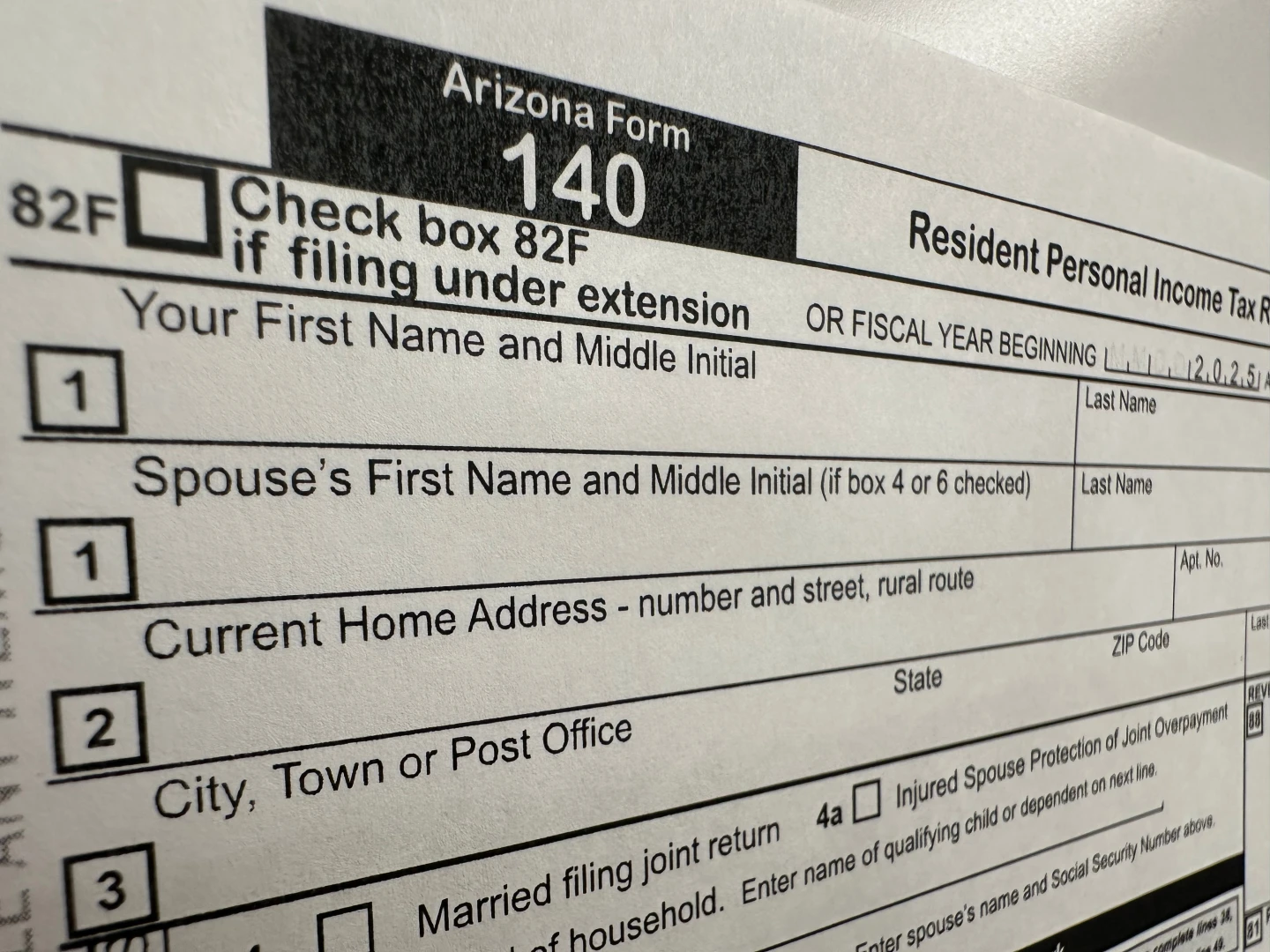
WASHINGTON (AP) — Tax Day has arrived, marking the deadline for the majority of American taxpayers to file their taxes. The Trump administration has highlighted that millions have already taken advantage of new tax breaks introduced this year, including no taxes on tips and overtime, exemptions for particular car loan interests, deductions for seniors, and special savings accounts for children.
According to a Treasury official, over 53 million filers claimed benefits under the Republican tax overhaul, with notable figures including 6 million reporting no taxation on tips, 21 million utilizing the overtime deduction, and approximately 30 million seniors benefiting from enhanced deductions. This yet another indicator of success, according to the administration.
However, despite the reported increase in tax refunds, which currently average $3,462—an 11% rise from the previous year—recent polling suggests discontent remains widespread. A staggering 70% of surveyed Americans believe their tax burden is still too high, raising questions about the effectiveness of the tax cuts promised by the administration.
This year's tax season started with ambitious projections from the White House, forecasting that average returns would rise by at least $1,000. With the IRS confirming an uptick in the average refund amount, attention quickly shifted to the political implications of these tax changes as midterm elections approach.
Additionally, this year's filing season has been complicated by significant challenges facing the IRS, including a workforce reduction of 27% due to budget cuts initiated by the Department of Government Efficiency. Amidst this workforce crunch, IRS Commissioner Frank Bisignano is expected to address lawmakers on how the IRS is navigating these challenges while implementing the Republican tax law.
However, Democratic lawmakers continue to focus on controversies surrounding the IRS, particularly allegations of unlawful disclosures of taxpayer information to Immigration and Customs Enforcement (ICE), which has raised ethical concerns surrounding privacy and the handling of sensitive data.
As the tax deadline looms, the combination of touted successes juxtaposed with widespread public dissatisfaction paints a complex picture of the 2026 tax season and the ongoing economic narrative surrounding the Trump administration's fiscal policies.