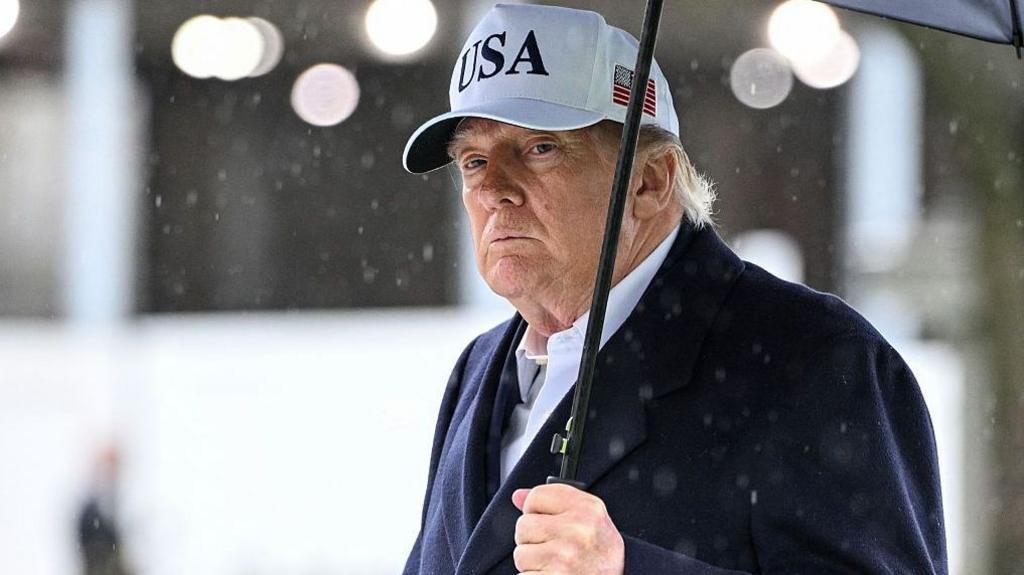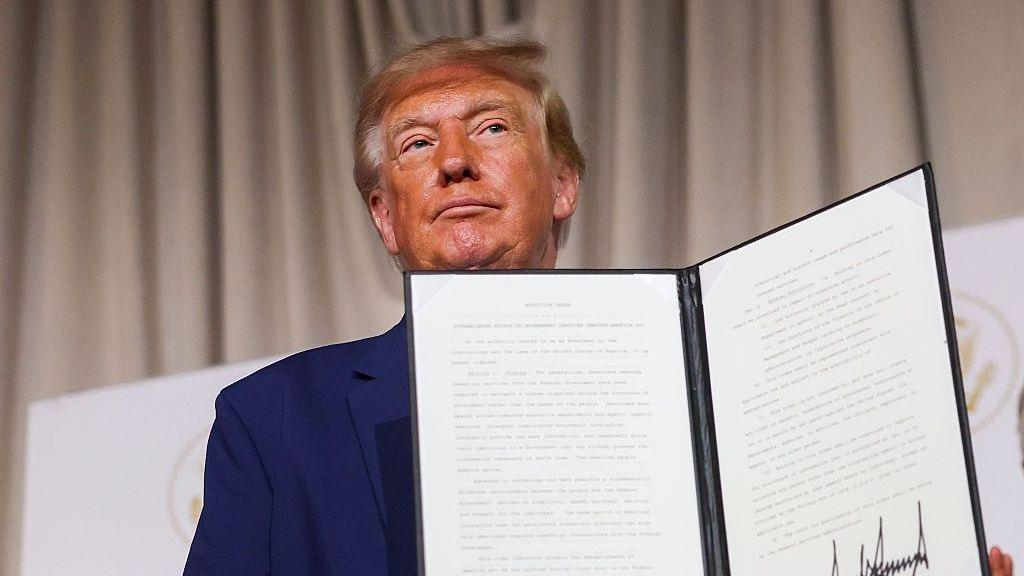

At a Washington event marking the launch of the AI‑powered government service portal America.gov, President Donald Trump announced that the United States would not pursue a joint artificial‑intelligence venture with China, arguing that such a partnership would amount to handing confidential information to a key rival.
Trump framed his decision as a defense of American technological superiority, saying the U.S. “is leading by a lot” in AI and stressing that a partnership could allow China to “jump ahead.” He repeated a closed‑door stance that echoes his broader skepticism of multinational agreements in high‑tech sectors, even as the Biden administration has promoted global dialogues on AI governance.
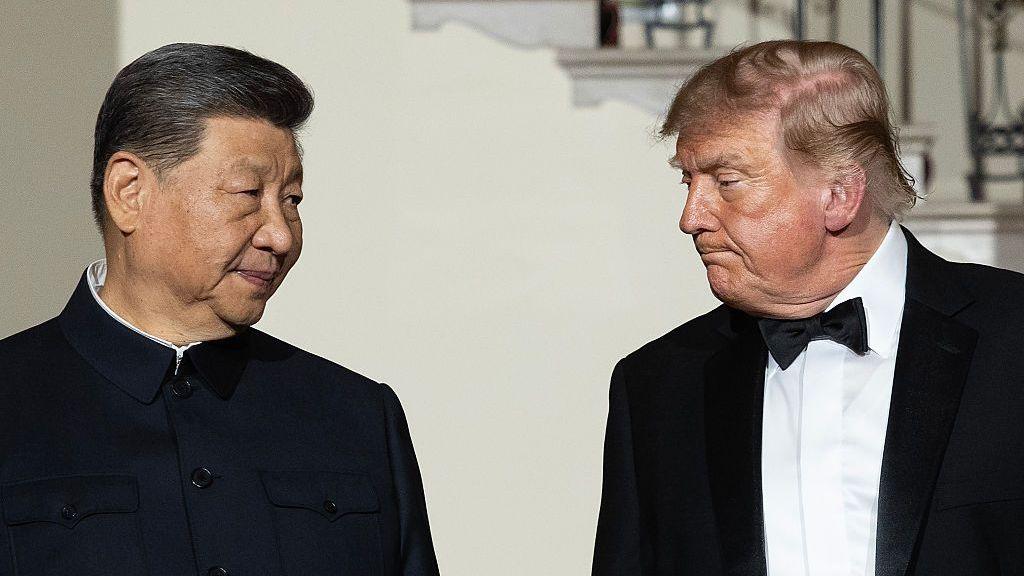
The comments came weeks after Chinese President Xi Jinping’s visit to the White House, during which the two sides announced a new AI dialogue and established a communication channel aimed at reducing misunderstandings over AI incidents. Despite this diplomatic outreach, Trump dismissed the possibility of joint development projects, citing national security concerns.
While the U.S. leadership has pledged to open government services to AI, domestic scrutiny of the risks associated with artificial intelligence is growing. A recent Politico poll found that roughly two‑thirds of Americans believe there is a moderate or higher risk that AI could pose a threat to humanity. Among Trump’s own supporters, 44% favored pausing AI development until safety measures are clearer.
Trump has historically downplayed safety concerns around AI, referring to them as a “hoax” and equating the discussion with a “global warming scam” propagated by “radical left Dumocrats.” His remarks reflect a broader debate over how the U.S. should balance technological innovation against the potential for unintended consequences.
The decision to avoid joint ventures in AI aligns with a national‑security narrative that has shaped U.S. policy in recent years, but it also raises questions about how the country will cooperate on global standards that could mitigate AI’s risks while ensuring competitive advantage. Analysts suggest that the Biden administration might take a more collaborative approach, potentially setting a different tone for U.S.-China relations in the tech arena.