In brief
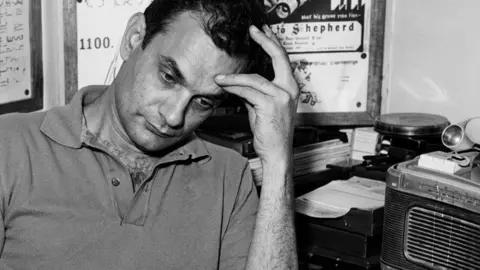
Kumar Chunder 'KC' Sen, a pivotal figure in Kolkata's cultural landscape, emerged during the 1940s amid Japanese air raids to lead a group of musicians risking their lives for music. He became a jazz bandleader, war correspondent, and the founder of Band Wagon, an influential talent agency that transformed Kolkata's live music scene. Sen's efforts, such as promoting local artists and creating platforms for talent, left a lasting impact on music in the city, establishing him as a key player in its cultural revolution.
In 1940s Calcutta (now Kolkata), amidst the chaos of Japanese air raids, a group of musicians, led by Kumar Chunder 'KC' Sen, braved danger to record music. They traveled by horse carriage to a recording studio, often diving for cover during air raid sirens. Sen, who would become a vital cultural figure, was not only a war correspondent and jazz bandleader but also the founder of Band Wagon, a pioneering talent agency that shaped the music scene in modern Kolkata.
Sen's wartime recording efforts supported the East India War Fund, showcasing his determination to keep the spirit of music alive during tumultuous times. His efforts led to recordings that included songs like The Good Ship Victory, demonstrating a commercial and philanthropic success that resonated with audiences for years.
Born in 1919, Sen entered the world with a rich family heritage, linked to historical figures like Sir Edward Barnes and reformer Brahmananda Keshub Chandra Sen. Growing up in a musical environment, he was significantly influenced by his sisters, who pursued careers in music and ballet. Sen discovered his passion for music while experimenting with instruments during his school years.
His career began on Park Street, the cultural hub of Kolkata, where he performed at the San Souci Theatre and honed his skills as a multi-instrumentalist and jazz bandleader. During World War II, he continued composing music even as a war correspondent in Burma, showcasing his dedication to both his craft and his courage in the face of danger.
Post-war, Sen returned to Kolkata, becoming head of programming at All India Radio and forming the Casual Club Quintet. His establishment of the Calcutta Swing Club created an essential platform for local jazz talent, matching the efforts of the Calcutta School of Music for classical music.
In 1953, Sen launched Band Wagon, initially an offshoot of his sports magazine, transforming it into a prominent publication that spotlighted showbusiness and sport. Through regular auditions and showcases, Band Wagon became a critical launchpad for local artists, contributing to a thriving music scene that propelled talents such as Marie Sampson and Shirley Churcher into wider fame.
Sen's influence reached beyond music into cinema, notably introducing filmmaker Satyajit Ray to performer Vicky Redwood, who was subsequently cast in Ray's acclaimed film Mahanagar.
Sen's legacy continued until his retirement to the UK, where he passed in 2007, leaving behind a profound impact on Kolkata's cultural fabric.
His sons followed his footsteps in music, ensuring that KC Sen's passionate commitment to recognizing and nurturing talent lived on in the city's vibrant arts scene.